BoredomBusted — Find Your Next Favorite Thing To Do
Discover hobbies, activities, places, and ideas that spark joy. Whether you're looking for something creative, active, social, or relaxing, BoredomBusted helps you find your next favorite thing to do.
Browse our hobby guides, things-to-do collections, and place ideas to never be bored again.
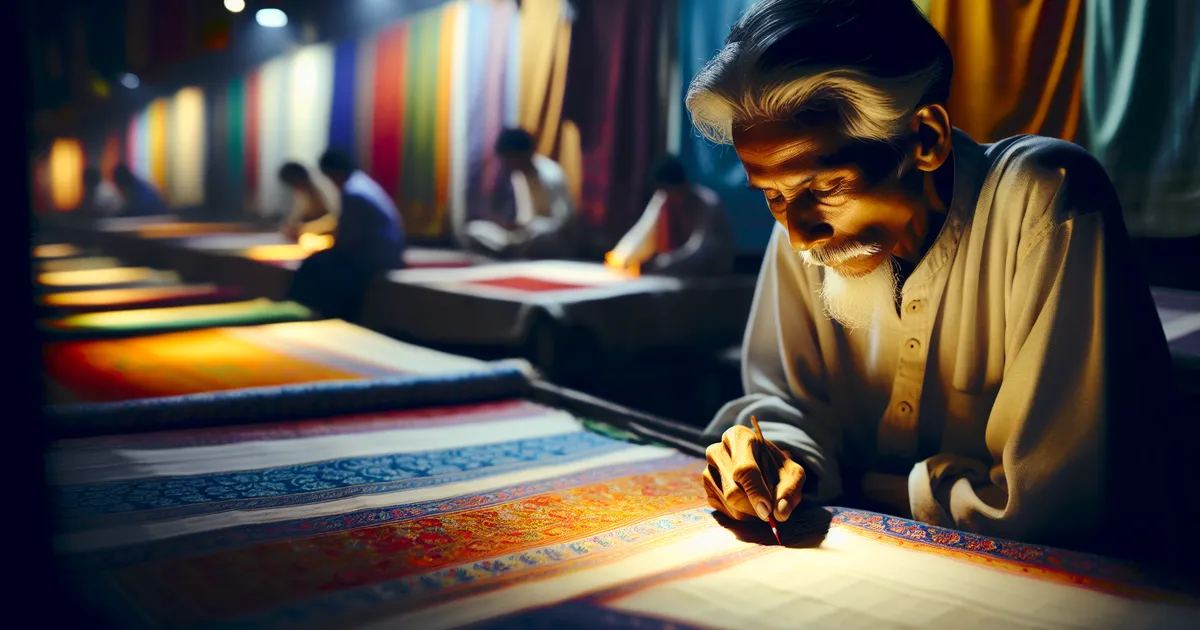
Fabric painting isn't just for crafts; it sharpens your skills in color mixing and brush control, leading to surprising creative growth.
Getting started with fabric painting as a beginner opens up a vibrant world of creativity where you can express yourself through textiles. You use paints that bond with fibers to create lasting art on fabric.
Choices in fabric painting differ from traditional painting because the material moves and breathes. Every decision impacts how the design wears over time.
In fabric painting, hobbyists choose fabrics like tote bags or denim jackets and apply specialized fabric paints using techniques such as freehand brushing, stenciling, and block stamping to create custom designs, often starting with sketches and iterating on scrap fabric before locking in their art by ironing it for durability.
Fabric painting fosters a flow state through a balanced mix of accessible techniques and skill-building challenges, allowing for immediate visual feedback and a sense of accomplishment as hobbyists transform mundane items into unique pieces of wearable art, while also stimulating creativity and social belonging in community settings.
You think fabric painting is something you do at a birthday party. Iron-on letters, maybe. A stencil of a sunflower on a tote bag.
That's not what this is.
Fabric challenges you more than canvas does. It absorbs differently by weave and teaches paint consistency fast.
Skills like color mixing, brush control, and handling negative space transfer to other crafts.
Your creations are worn and washed, offering feedback a framed piece can't.
A quilter in her fifties painted her quilts with custom panels. In just 18 months, she expanded to selling bespoke hand-painted denim jackets.
Her skills quietly compounded. She thought she was making quilts, but was arming herself for something bigger.
You're not here to bedazzle a shirt.
The next section is about what you actually need to start – and the list is shorter than you think.
At first glance, painting fabric seems easy—just a brush, some color, and you're done.
Then you try it yourself. The paint bleeds beyond the lines you imagined. Colors surprise you by drying differently than expected. Your hand isn't as steady as you thought.
Vibrant colors, smooth fabric, clean lines. These are your goals. But at first, you get edges with bleed marks. Colors end up two shades darker. The fabric bunches under your brush, and the result looks every bit like a beginner's attempt.
Painting fabric is a practice, not innate talent. Ugly first attempts lead to second attempts. By the third, something begins to click. There's a pause between grasping the technique and your hands getting it right.
Start with pre-washed, ironed fabric. Sizing in new material can throw off your paint, while wrinkles will mark your work forever. The next section covers the mistakes that keep beginners frustrated and how to avoid them.
When to start: Morning
Duration: 1 hour
Cost to try: $15
Success criteria: If you finished without overthinking your design, do session 2.
Most beginners assume acrylic paint from the craft store is ready to go straight onto fabric.
Mix in a fabric medium at a 2:1 paint-to-medium ratio – it keeps the paint flexible so it doesn't crack after the first wash.
New fabric has a chemical finish that repels paint, and nobody tells you this until your design starts peeling.
Wash and dry the fabric before you touch it with a brush – no fabric softener, which adds the same problem back.
The excitement of seeing color go down fast leads beginners to load thick layers – and thick layers crack, bleed, and take forever to cure.
Build color in two or three thin coats instead, letting each one dry completely before adding the next.
Painting directly on a t-shirt or tote without anything inside means paint seeps through and glues the layers together.
Slip a piece of cardboard or plastic wrap inside the garment before you start – it takes ten seconds and saves the back panel.
The paint looks dry, so people wear it, wash it, and wonder why the design fades in two cycles.
Wait a full 24 hours after your last coat, then iron on medium heat for 30–45 seconds per section – that's what actually locks the paint into the fibers.
Fabric painting is mainly a solo or home-based craft. A kitchen table or garage with good airflow is usually all you need.
Art studios and community craft centers often host fabric painting workshops. These events might focus on tie-dye or screen printing.
Show up and say, "I've painted on paper but not on fabric—what should I not mess up first?" This signals you're eager to learn and often leads to a quick lesson on heat setting, a crucial step newbies miss.
Screen printing uses a mesh stencil and a squeegee to push ink through in one clean pass. The result is sharp, repeatable, and professional-looking. It's the right move if you want to make multiples of the same design. Starter screen printing kits run $40–$80.
Block printing involves carving a design into a rubber or foam block, inking it, and stamping it onto fabric. It's slower than screen printing but more forgiving. The handmade texture is the main appeal. This suits people who enjoy printmaking or prefer a low-tech way to create intentional patterns.
Resist dyeing, or batik-style, involves applying wax or chemical resist to block areas before painting or dyeing. The resist cracks and bleeds in ways you can't fully control, which creates the unique aesthetic. It's genuinely messy and needs heat to remove the wax, making it less suited for beginners.
Tie-dye involves folding, twisting, or scrunching fabric, then binding it with rubber bands and applying fiber-reactive dye. The technique is beginner-friendly because the main challenge is learning which folds create which patterns. Soda ash pretreatment, which most kits include, is needed for the dye to bond, so watch out for cheap sets!
Airbrushing on fabric uses a small compressor and airbrush gun to spray paint in gradients, shadows, and fine detail that brushwork can't match. It's the best variant for portrait-style or photorealistic designs. Entry-level airbrush setups are $50–$80, and there's a learning curve before achieving consistent results.
Another variant that pulls from the same roots is Silk Painting.
Face Painting lives in the same world — different mechanics, similar appeal.
Mural Painting is a sibling pursuit and often surfaces the same kind of curiosity.
True mastery in fabric painting depends on understanding fabric moisture, not paint or brushes.
Wet fabric behaviors trip up beginners. They deal with bleeds, muddy edges, and unexpected colors. They often blame their paint brand.
The real skill is reading and controlling fabric moisture before painting begins.
Know your fabric's state: bone dry, slightly damp, or wet. Choose deliberately based on your intended effect.
Crisp lines need dry, heat-set fabric. Soft gradients come from a damp surface.
Without moisture control, you're reacting to accidents, mistaking them for style.
For practice, use scrap fabric to experiment with moisture levels.
Test strokes on fabric at different dampness levels and note the effects.
Before each session, practice on a swatch matching your intended moisture level.
Mist the fabric and track the wet-on-wet bleed radius over time to understand drying patterns.
Six sessions over 30 days. Spread them every five days to get past the first frustrating attempts without it becoming a chore.
If you're already planning your next piece while the current one dries, that's a clear sign. Dive deeper by creating a dedicated workspace and experimenting with specialty paints like metallics and puff paint.
If the sessions just passed by without impact, it's not the technique that's lacking—it's the subject. Try painting something meaningful, like a piece you'll wear or a tailored gift. Give another month of intentional practice a shot before moving on.
If you found excuses to miss sessions and felt like doing chores during the ones you did attend, that's a clear indicator. The activity isn't the issue—it's simply not resonating with you. No need to extend or invest further.
Seeing blank totes as potential canvases or noticing print techniques on jackets is that involuntary signal. This means you're naturally adopting the hobby's mindset, and there's potential to grow.
If fabric painting feels like too much to commit to right now, browse what to do when you're bored for lower-stakes ideas.
You'll need fabric paint (acrylic or specialized fabric paint), brushes, a palette, and plain fabric items like t-shirts or canvas. Many beginners start with a basic starter kit that includes paint and brushes, costing $15–30. Optional supplies like stencils, sealers, and fabric markers can enhance your projects but aren't necessary to begin.
You can create your first simple design in 1–2 hours, though the paint may need 24 hours to fully cure. Developing comfort with different techniques and styles typically takes a few weeks of regular practice. There's no steep learning curve—beginners can produce satisfying results on their first try.
No, fabric painting is beginner-friendly and requires no prior art experience. Basic techniques like brushing, sponging, and stenciling can be mastered quickly with simple guidance. Many people find it more forgiving than other art forms because mistakes can often be worked into the design or covered.
Cotton and cotton-blend fabrics work best because they absorb paint evenly and hold color well. Avoid synthetic materials like polyester or nylon, which may repel paint. You can paint on t-shirts, tote bags, canvas, pillowcases, and other absorbent textiles.
A complete beginner setup costs $20–50, including basic paint, brushes, and a practice fabric item. If you already have plain fabrics at home, you can start with just paint and brushes for $10–20. High-quality or specialty supplies cost more, but aren't necessary when learning.
Quality fabric paint is designed to be permanent and laundry-safe after it's fully cured (usually 24–72 hours). Using a heat-set method like ironing or tumble drying speeds up the curing process for added durability. Always check your paint's instructions, as some specialty formulas may have different care requirements.