BoredomBusted — Find Your Next Favorite Thing To Do
Discover hobbies, activities, places, and ideas that spark joy. Whether you're looking for something creative, active, social, or relaxing, BoredomBusted helps you find your next favorite thing to do.
Browse our hobby guides, things-to-do collections, and place ideas to never be bored again.
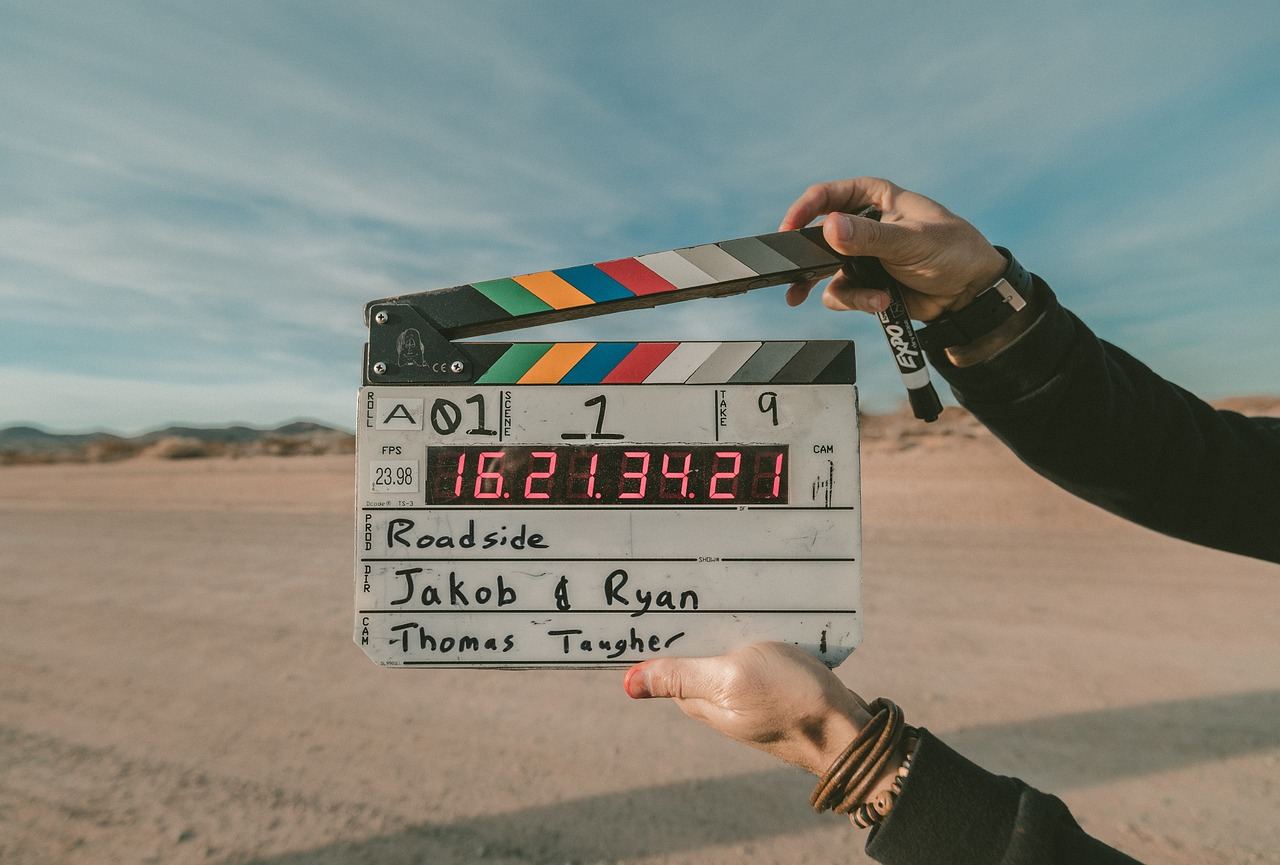
The myth of expensive gear in filmmaking hides the real skill: knowing how to see a scene and tell a story, starting with just your phone.
Learning filmmaking as a beginner involves understanding how to effectively use a camera, sound, and editing software to tell compelling stories through moving images.
You shoot footage, shape it in post-production, and end up with something other people can actually watch.
Unlike photography or writing, it forces every creative decision – visual, audio, narrative – to work together at the same time.
Filmmaking involves hands-on activities such as capturing video using cameras, setting up shots with tripods or gimbals, and editing footage on software to create polished short films. Hobbyists storyboard ideas, analyze their footage for narrative flow, and experiment with visual techniques, often focusing on personal projects like vlogs or local documentaries, all while integrating these tasks …
Filmmaking combats boredom through daily creation rituals that induce flow states by immersing hobbyists in challenges like shot composition and editing, allowing them to lose track of time. The process fosters creative expression, transforming mundane experiences into cinematic art, while completing projects provides a sense of accomplishment and incremental skill feedback, reinforcing motivatio…
Filmmaking means owning a camera. Maybe a nice one. That's the whole barrier, right – just gear?
That assumption keeps most people watching films instead of making them
Filmmaking is about choices, not technology. Every cut, every frame, every pause is a deliberate decision that creates meaning. Your phone is enough to start exploring those choices.
Most beginners leap to gear and miss the real skill: seeing a story before recording it. Where the light falls, what you leave out of frame, when silence does more than dialogue. These are the decisions that make a story compelling.
Your storytelling instinct from years of watching films? That's your foundation. That's the starting point you already have.
Consider a first-year film student who shot a short entirely on an iPhone 12 with no gimbal or crew. It was picked up by two festivals. The magic wasn't in the footage quality; it was in knowing the story he wanted to tell before pressing record
This changes everything about how you begin in filmmaking.
Coming up: the reality of your first filmmaking experience and why finishing your first project matters more than planning it.
Watching a film is effortless. Creating one feels like juggling endless problems. Especially when you're under pressure.
At first, you're fighting with the camera. The shots look flat, and you're unsure what you have until it's too late. That uncertain chaos? It's completely normal. You piece scenes together by trying and failing.
After a few weeks, you'll start to predict bad lighting and adjust on the fly. Rough edits won't feel so foreign anymore. The gap between your vision and what you create shrinks slowly but surely. Each mistake points you to the next improvement.
The first month can feel like constant failure. But that's the reality of learning filmmaking. The jumbled footage and impossible edits aren't a sign of lacking talent.
If your camera can shoot in a flat or log profile, use it. It might look dull, but it preserves color details for editing later. Flat footage is your friend in post-production.
Understanding the common pitfalls can keep you progressing. In the next section, we'll dissect the mistakes most beginners make.
When to start: Early morning
Duration: 1 hour
Cost to try: $10
Success criteria: If you film a 1-minute story with wide, medium, and close-up shots and edit them into a clear sequence, do session 2.
Cameras in auto mode aim for average settings, which often don't fit your needs.
Switch to manual mode immediately. Set your shutter speed to double your frame rate, keep ISO fixed, and learn your camera settings.
Bad audio is often a choice, not an accident. It's your setup, not post-production, that defines clarity.
Attach a $30 lav mic to your subject and capture 30 seconds of room tone at each setup.
Beginners often cut scenes based on motion, like matching arm swings or door closures, resulting in emotionless edits.
Edit by watching clips without sound and cut at emotional peaks or shifts, not at the end of movements.
Handheld shots can seem purposeful, but uncontrolled drift signals inexperience.
Anchor your elbows, exhale before you start, and move your entire body to avoid shaky footage.
Shooting without a plan drains time and patience, leading to wasted footage and frustrated crew.
Draft a shot list with columns: number, framing (wide/medium/close), and the narrative purpose.
Filmmaking can take place anywhere. Try your living room, a park, a café corner, or even a rented studio.
Start with public spaces and community areas. You won't need formal settings right away.
The Independent Filmmaker Project (IFP), now Filmgate, connects hobbyists and emerging professionals. It's a hub for getting involved.
Just show up and mention you're learning and willing to help. Be ready to jump into small roles.
Holding a reflector or running a slate is vital because it's how you naturally pick up the rhythms and rules of filmmaking.
Documentary filmmaking means observing and interviewing real people and events. Forget actors or scripts — just capture what unfolds.
Editing reveals the story which makes it forgiving for beginners. A decent camera and lavalier mic go far here.
Traditional narrative filmmaking involves screenplays, casts, crews, and shot lists. It's the most collaborative and logistically demanding variant. Perfect for those thinking in story structure and eager to direct others.
Short-form and social videos demand vertical framing, quick edits, and hooks within seconds. Though it seems casual, it requires precision. Ideal for beginners seeking fast feedback and not hung up on cinematic prestige.
Experimental or art film has no boundaries on story or structure. Perfect for those from fine art or photography backgrounds, treating the camera as a creative tool. Gear costs stay low, the challenge is in your ideas.
Animation and stop-motion combine filmmaking with visual art. Stop-motion especially suits those who are methodical and patient, as creating just 30 seconds can take a weekend. Software like DaVinci Resolve or Dragonframe increases cost, yet entry-level setups remain under $200.
Graphic Design is a sibling pursuit and often surfaces the same kind of curiosity.
Cartoon Drawing is a sibling pursuit and often surfaces the same kind of curiosity.
Most beginners focus on gear—better cameras, faster lenses, sharper images. Yet, their footage stays flat.
They place the camera where it's convenient, not where it adds meaning.
Compositional intention is the real skill. Think of the frame as an editorial decision before you hit record. It's not about making it look nice.
Ask yourself what the viewer's eye sees first, what's left out, and why. That's where the story is told.
With compositional intention, every shot tells a story. A character framed small against a vast sky speaks volumes without needing words.
Without it, you're merely documenting. No amount of color grading will save footage that lacks purpose.
Commit to 8 sessions over 30 days. About two per week, which is just enough to see if this hobby starts feeling like a routine rather than an obligation.
If you're eyeing your phone for sunsets or mentally framing shots during a Netflix binge, guess what? You're hooked. This meant filming seeped into your day-to-day without effort. Invest in some starter gear and see where it takes you.
If the sessions were just sessions and filming felt like a task, something's off. Maybe being a critic is more your speed. Try one tight project—a 60-second short or a single scene—before walking away.
If a cancelled session made you sigh in relief, listen to that. Filmmaking demands patience and repetitive work. Avoid framing it as an issue with yourself—this hobby doesn't suit everyone.
Your gut reaction after watching a movie is key. If you're fixated on how shots were achieved rather than the plot, that's a curiosity that's hard to teach and a sign this might be for you.
Sometimes you just need something for the next ten minutes — that's what things to do when bored is for.
You can start with a smartphone camera, which has professional-quality video capabilities today. As you progress, consider investing in a DSLR or mirrorless camera, tripod, microphone, and basic lighting. Many beginners skip expensive gear initially and focus on learning storytelling and shot composition first.
A simple short film (3–5 minutes) typically takes 2–4 weeks from concept to final edit, depending on complexity and your experience level. Planning and pre-production usually take 30–40% of this time, while filming and editing split the remainder.
The basics—framing shots, basic lighting, and simple editing—are learnable within weeks for motivated beginners. However, mastering storytelling, pacing, and visual design takes months or years of practice. Starting with shorter projects and learning one skill at a time makes the learning curve manageable.
You can start completely free using your smartphone and free editing software like DaVinci Resolve or CapCut. A beginner-friendly setup with a used DSLR, basic lighting, and audio gear runs $500–$1,500. Professional-level equipment costs significantly more, but it's not necessary to create compelling films.
Story structure, visual composition, and editing are equally important as camera work. Understanding pacing, sound design, and how to work with actors or subjects also elevates your films. Many filmmakers recommend learning these skills through practice rather than theory alone.
Start by studying films you admire—analyze shot choices, editing patterns, and narrative structure. Make short projects regularly, even on phone, to practice storytelling. Follow up with online courses, YouTube tutorials, and feedback from filmmaking communities to accelerate improvement.