BoredomBusted — Find Your Next Favorite Thing To Do
Discover hobbies, activities, places, and ideas that spark joy. Whether you're looking for something creative, active, social, or relaxing, BoredomBusted helps you find your next favorite thing to do.
Browse our hobby guides, things-to-do collections, and place ideas to never be bored again.
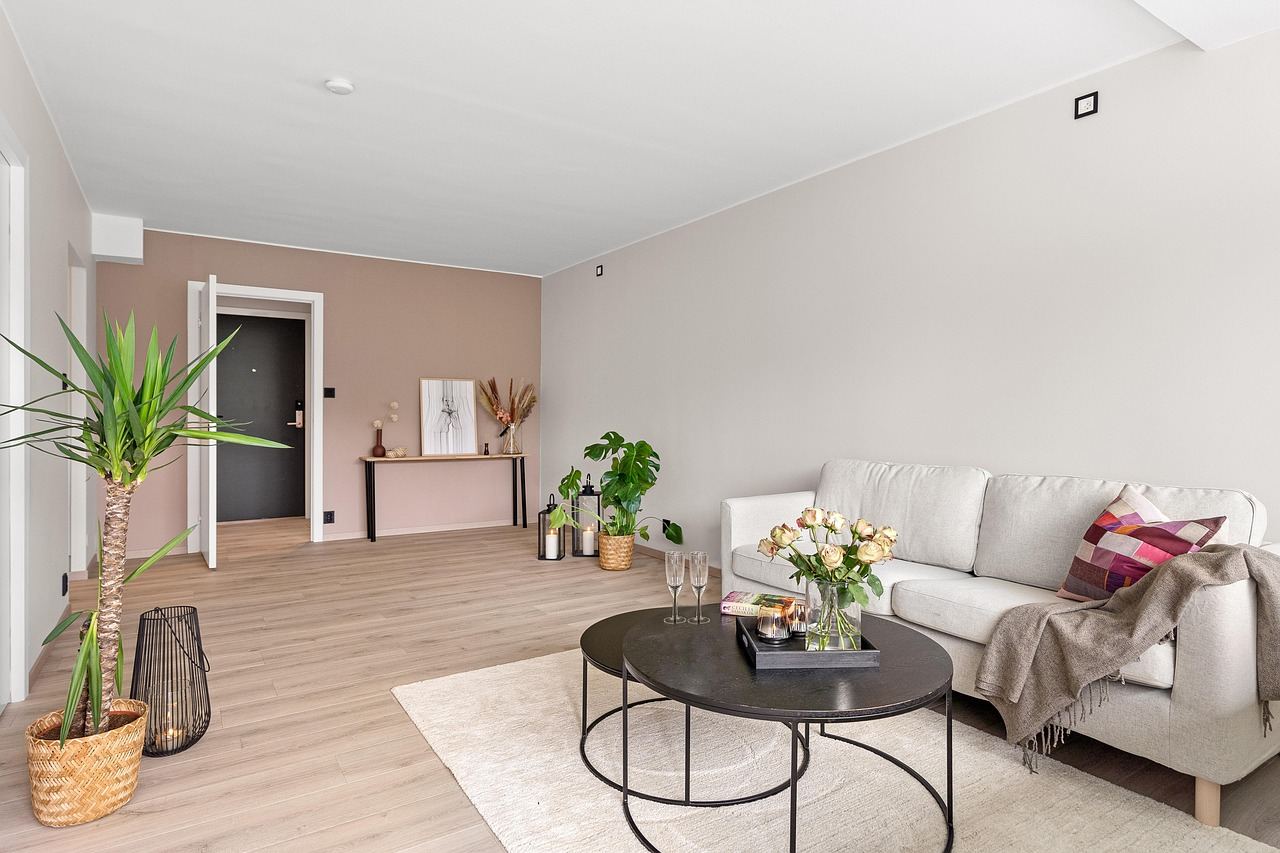
Interior design isn't just about colors—it's a balancing act between aesthetics and functionality, where every choice impacts livability.
Getting started with interior design as a beginner focuses on creating spaces that reflect your personality while enhancing comfort and functionality.
It combines creative ideas and practical skills to arrange furniture, choose color schemes, and make rooms feel unique.
In interior design, hobbyists physically rearrange furniture, select color palettes, adjust lighting, and create mood boards to experiment with their living spaces. They may also undertake DIY projects, like upcycling furniture, to blend personal style with functionality, iterating through trial-and-error to discover optimal aesthetics and spatial harmony.
Interior design fosters a flow state through the immersive process of harmonizing elements, creating immediate visual feedback that enhances skill development. The act of transforming spaces yields a sense of accomplishment and ownership, while the exploration of trends provides novelty, fighting boredom effectively.
You probably think interior design just means choosing nice colors.
Interior design creates a cohesive experience that mirrors who lives there. It's about reflecting personality and lifestyle.
John reached a significant result for his small loft by prioritizing smart furniture placement. He maximized functionality without sacrificing aesthetics.
Fabrics matter. Lighting as well. Prized elements that define space.Balancing these creates environments you'll love to inhabit.
Next up, let's explore how these design principles come together easily.
Your first session usually starts with moving a couch. You drag it three inches left, stand back, squint, then drag it back. The room looks identical. What catches most beginners off guard is how long it takes before your eye actually develops — that internal sense of whether something is working or just different. Early on, those two things feel the same.
Color is where it gets humbling fast. That warm terracotta you loved on the swatch looks radioactive under your specific ceiling light. Paint and fabric never behave the way they do in photos — lighting conditions in your actual room will change everything, and no tutorial prepares you for how personal that variable is. Expect at least one purchase you'll want to return.
The messy middle is a real phase. There's a window — sometimes days, sometimes a week — where your room looks worse than when you started. Furniture is pushed to odd angles, swatches are taped everywhere, and nothing reads as intentional yet. That chaos is actually the process working. Most people who quit do it here, right before the composition starts clicking into place.
When a corner finally comes together — the lamp height right, the texture contrast balanced, the proportions feeling settled — it's a distinct physical relief. You'll notice it before you can explain it. That feedback loop is what keeps people going, and it's also why the early mistakes matter so much. Speaking of which, a few of them are almost universal.
When to start: Morning
Duration: 1 hour
Cost to try: $10
Success criteria: If you finished without overthinking every detail, do session 2.
Natural light changes everything. A warm beige on a paint swatch looks completely different in a north-facing room at noon versus a south-facing room at dusk. Beginners pick colors they love in the store, paint a whole wall, and then wonder why it feels off.
Test a large swatch — at least A4 size — on your actual wall and observe it at three different times of day before committing. Morning, midday, and evening light are three different rooms.
That sofa looked reasonable in the showroom. In your living room, it blocks the door and swallows the whole space. This happens because beginners design with their eyes instead of their floor plan.
Sketch the room to scale on paper — or use a free app like Roomstyler — before buying a single piece of furniture. Knowing your clearances in advance saves expensive returns and real frustration.
Most beginners rely entirely on one overhead light per room. The result is flat, harsh, and deeply unflattering — no matter how good the furniture is. Lighting is the thing that actually creates atmosphere.
A well-lit room uses three layers: ambient, task, and accent. You don't need to nail all three immediately. But adding one floor lamp or table lamp immediately transforms a room more than repainting the walls. Start there.
Filling every shelf, wall, and tabletop is the most common beginner reflex. It comes from a fear that empty space reads as neglect. It doesn't — it reads as confidence.
Negative space is a design tool, not a gap waiting to be filled. Pull three things off a crowded shelf and see what happens. Restraint almost always improves a room instantly.
Minimalist interiors look stunning in photos. They also require daily tidying to stay that way. Beginners chase aesthetics from Pinterest or Instagram without accounting for their real routines, habits, and household.
Before committing to any style, ask how it holds up on your busiest, messiest day. A design that works with your life will always outlast one that just looks good in a photo.
Start on Reddit — r/malelivingspace, r/femalelivingspace, and r/InteriorDesign each have hundreds of thousands of members posting real rooms, getting feedback, and sharing budget breakdowns.
Pinterest and Houzz are where most hobbyists build mood boards and track trends. Houzz also has a community Q&A section where you can ask specific questions about your space and get answers from other enthusiasts and professionals.
Local furniture showrooms and home goods stores like IKEA regularly host free in-store design workshops. Search Eventbrite for "interior design workshop" plus your city name — you'll find paid and free events covering everything from color theory to space planning.
Open house tours through local real estate agents are an underrated move. They give you direct access to professionally staged rooms you can study in person — no ticket required.
Budget decorating focuses on impact over cost. You rearrange what you have, swap out accessories, and hunt thrift stores for overlooked pieces.
This is for people who want a transformed space without waiting until they can afford one. The constraints actually sharpen your eye faster than an open budget would.
DIY and upcycling design is hands-on from the start. You sand, paint, reupholster, and repurpose instead of buying new.
The draw here is ownership — you built the thing sitting in your living room. It suits people who find the making just as satisfying as the finished look.
Style-driven design means committing to a visual language — Scandinavian minimalism, maximalist color, industrial raw textures. Every choice reinforces the same feeling.
This approach rewards people who already have a strong sense of what they like and want the whole room to reflect it without compromise.
Spatial planning puts function first. You work out traffic flow, furniture scale, and how rooms actually get used day to day.
This is the variant for anyone whose room looks fine in photos but feels frustrating to live in. Solving that puzzle is the whole point.
Mood boarding and concept design happens entirely before anything moves. You pull references, build color stories, and map out a vision first.
People who love this phase are usually visual thinkers who need to see the whole picture before committing to a single purchase. It also keeps expensive mistakes off the floor.
Investment-minded design keeps resale or rental appeal in the frame. Choices are personal but not so niche they alienate future buyers.
This suits homeowners who want to enjoy their space now and see a return on it later. Style and strategy work together here rather than competing.
Some of the same instincts show up in Home Decor Styling — worth a look if this clicked.
For something adjacent, see Doll Making.
A close neighbor worth considering: Woodblock Printing.
The skill that separates people who improve at interior design from people who endlessly redecorate is learning to read a room before changing anything in it.
Most beginners jump straight to aesthetics — a new sofa, a fresh coat of paint. But the room already has a logic to it. Light enters from specific angles. Traffic flows through certain paths. Proportions create tension or ease before a single object is moved. Designers who improve fast learn to diagnose what the space is doing before deciding what it needs.
In practice, this means sitting in a room at different times of day. It means noticing where your eye lands first, and why. A chair placed wrong doesn't just look off — it interrupts how you move and feel in the space without you ever consciously registering why.
Once you build that diagnostic habit, every other skill — color, furniture scale, layering light — starts clicking into place faster. The next section covers exactly what to look for when you start making those changes.
Run a 30-day test: pick one room and do four focused sessions — rearranging, swatching colors, adjusting lighting, or building a mood board. Space them about a week apart so each session builds on the last.
You moved a lamp, stepped back, moved it again, then came back an hour later to check. That compulsive iteration is the signal — you're hooked. Start expanding your scope: tackle a second room, introduce a DIY furniture upcycle, or dig into a specific style you kept gravitating toward.
The space improved and you can see it — but the process itself felt like a chore. That usually means the scale is wrong, not the hobby. Try zooming in: one shelf, one corner, one vignette. Some people find the deep satisfaction in small, controlled compositions rather than whole-room overhauls.
The indecision felt paralyzing, the trial-and-error felt wasteful, and the whole thing left you more anxious than when you started. Interior design rewards people who enjoy the process of figuring things out — if the ambiguity drains you, that's real information. A more structured creative outlet — like model building or hand lettering — gives you the same tangible result with far clearer steps.
You start noticing other people's spaces differently — a restaurant, a friend's living room, a hotel lobby — and mentally editing them. That involuntary habit of "fixing" rooms you're just visiting means the design thinking has already taken hold.
Looking for something lighter? Our boredom-busters guide is built for exactly that.
No, you can begin interior design as a hobby without formal credentials. Many people start by redesigning their own spaces, learning through online courses, books, and tutorials. As your skills grow, you can decide whether to pursue professional certification or keep it as a creative hobby.
You can start with minimal investment—just use design tools like Canva or Pinterest, which are free. As you progress, you might invest in design software ($50–$200) or gradually purchase furniture and decor. The beauty of this hobby is that it works on any budget, from thrifting finds to new purchases.
A small room redesign can take 2–4 weeks if you're planning, shopping, and implementing on weekends. Larger projects might span 2–3 months depending on complexity, budget, and whether you're DIY-ing or hiring help. The timeline is flexible and entirely up to you.
Start with color theory, spatial planning, and understanding furniture arrangement. You'll also benefit from learning about lighting, texture, and style preferences. Most of these skills are visual and can be developed through practice and studying inspiring spaces online.
Absolutely—many people turn interior design from a hobby into a side business or full-time career. Start by redesigning for friends and family, build a portfolio, and decide if you want to freelance or get certified. This hobby naturally opens doors to earning opportunities if you choose to pursue them.
Yes, thoughtful design can increase your home's appeal and market value, especially with updates to key areas like kitchens and bathrooms. Even budget-friendly changes like fresh paint, better lighting, and decluttering make a significant difference. However, the impact depends on the changes you make and your local real estate market.