BoredomBusted — Find Your Next Favorite Thing To Do
Discover hobbies, activities, places, and ideas that spark joy. Whether you're looking for something creative, active, social, or relaxing, BoredomBusted helps you find your next favorite thing to do.
Browse our hobby guides, things-to-do collections, and place ideas to never be bored again.
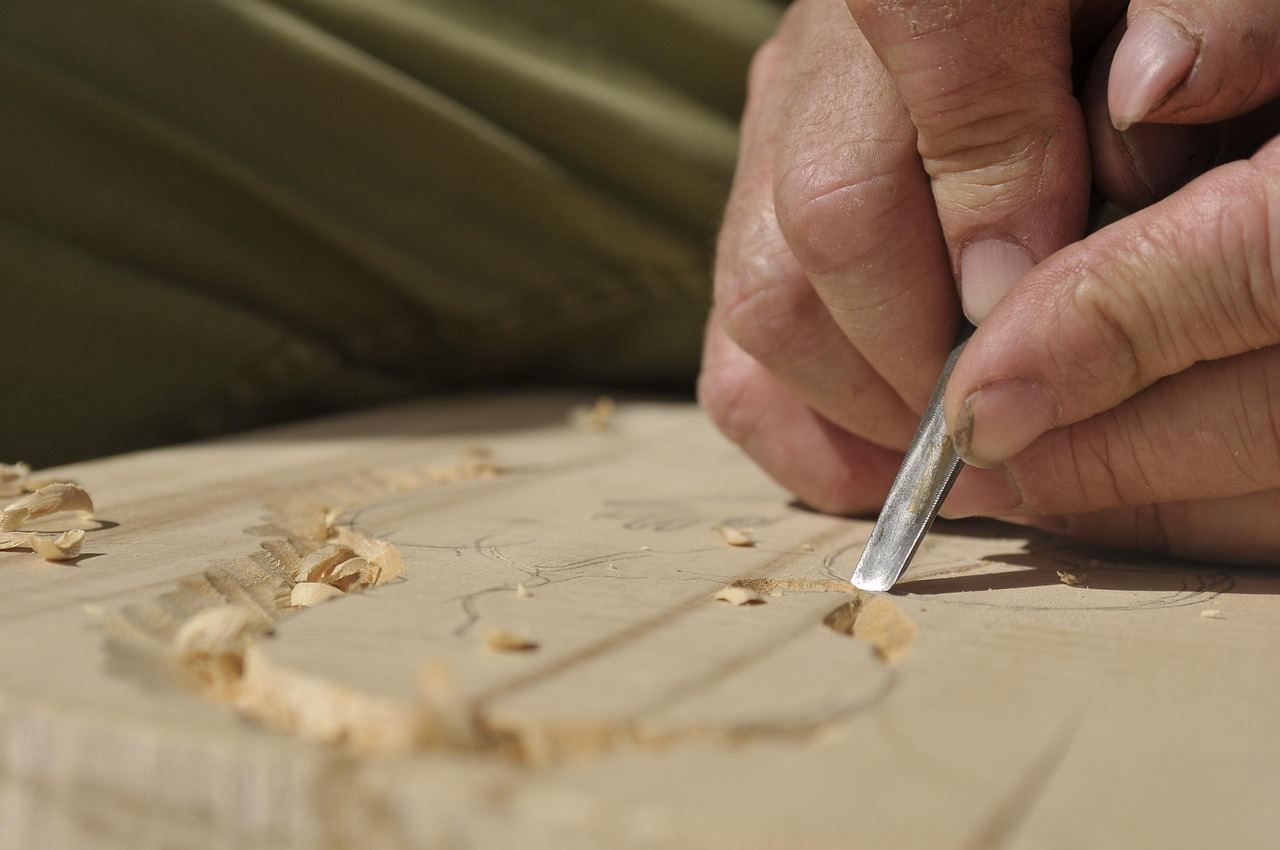
Joinery isn't just carpentry—it's mastering spatial reasoning and tolerances that ensure your creations last far beyond store-bought furniture.
Learning joinery as a beginner is a rewarding experience that emphasizes the art of connecting pieces of wood with expertly crafted joints – no nails, no screws, just wood shaped to fit wood.
The joint holds through mechanical interlocking, glue, or both.
Unlike general woodworking, joinery focuses entirely on the connection itself – the cut, the fit, the method – not the finished object around it.
In joinery, you craft precise mechanical joints by selecting lumber, marking layouts, and using hand or power tools to cut, chisel, and shape pieces that interlock seamlessly. This involves iterative testing for fit, refining edges with rasps, and finally assembling the joints into functional items like shelves or drawers, ensuring both strength and aesthetics without relying heavily on fasteners.
Joinery fosters a flow state through the precision required in cutting joints, providing immediate feedback via visual cues that signal progress, which keeps practitioners engaged. The sense of accomplishment from successfully assembling intricate joints and the opportunity for creative expression in design further combat feelings of boredom, while the community aspect allows for shared experienc…
You think joinery is just fancy talk for regular carpentry.
Maybe it's about dovetails and a workshop that smells like pine – fine for retirees or those with too much time on their hands.
Joinery is really a hands-on geometry problem. Each cut you make is a spatial reasoning test that decides if your piece will hold or fail.
It's not about the wood. It's about the tolerances, the little gaps that mean the difference between a joint lasting decades or coming apart in months.
A sharp chisel and a well-marked line will always outperform a room full of power tools. The tools look simple, but the precision is demanding and that's what catches beginners off guard.
Picture a mortise-and-tenon joint. Two pieces of wood – one slot, one tongue. No glue yet.
If the fit slides in just right – firm but not forced – you've built durability beyond any flat-pack furniture. It's a skill you can apply again and again.
Moving from knowing to making your first joint is more achievable than it seems. We'll dive into that next.
Joinery videos show a frictionless, intentional process.
Someone measures once, cuts once, and the joint fits perfectly every time.
Your first session won't be like that.
Then comes clarity. Understanding why things are loose or off.
Realizing which adjustments to make next time and starting to care about the tiniest measurements.
During week one, you'll spend more time measuring than cutting, only to find the measurements still off.
By week two, you realize your tools need tuning. It's a revelation.
In week three, a joint finally fits properly. It's a small success that feels enormous.
Week four is when you stop blaming yourself. You begin to diagnose problems instead.
The pivotal moment is recognizing why something didn't work. Not just getting it right, but understanding your mistakes.
Before starting, make sure your marking gauge is calibrated out of the box.
Each measurement is affected by this, leading to joints being consistently and frustratingly off.
When to start: Morning
Duration: 2 hours
Cost to try: $30
Success criteria: If you cut two boards square and clamp a glued joint that dries flush with no visible gap, do session 2.
It feels precise until everything turns out 1mm too loose. The fix is glue, but regret sticks around.
Always mark the waste side with an "X" first. Place your saw there, leaving the line intact.
That intricate mortise-and-tenon fits poorly on your good oak.
Craft it in scrap first to perfect the fit. Move to the final piece after that.
Wood splits continue past your line. You're not registering the chisel's back edge right.
Pare thin slices with the chisel's flat back against the wall you preserve. Never push against the side you're removing.
Correct measures, wrong faces. Errors stack up instead of canceling out.
Use one reference face and edge. Mark them with a triangle to guide every measurement.
Lumber isn't always square, no matter what it looks like. Use an engineer's square to confirm squareness before any layout.
Joinery happens in your garage, a rented makerspace, or a shared woodworking studio. The access to tools matters more than the address.
Community colleges with trade programs often have open shop nights. That's where you'll find the most experienced people per square foot.
Local guilds are the true infrastructure for joinery. These are your best route to mentorship, not a national organization.
Walk into a guild and mention you're learning hand-cut joinery. Ask to watch before you try anything.
That one sentence often earns you a tour, tool advice, and an invite to the next hand-tool night. Beginners who show early humility get mentored fast.
This is joinery the old way – chisels, mallets, hand saws, no power tools. Immediate and honest feedback helps you learn what a joint truly is. Slower, yes, but much more instructive.
Perfect for beginners who want to grasp the craft before automating.
Startup costs are lower – a basic chisel set and mallet costs between $60–$100.
Routers, table saws, and dedicated jigs handle the hard work here. Fast and consistent results, but missing the hand-cut fundamentals can leave you guessing on joint mechanics.
Ideal for hobbyists who have woodworking experience and need repeatability.
Budget $300–$600+ if you're setting up a new router.
Large-scale structural joinery – mortise-and-tenon on the scale of barns or house frames. Mistakes here mean wasted beams, not just scraps.
Geared towards experienced woodworkers interested in architectural projects.
Extremely precise, geometry-driven joints – no nails or glue, just wood locking with wood. The steep learning curve appeals to those treating joinery as a puzzle.
Great for patient intermediates who value challenge over speed.
Dovetails, box joints, finger joints – decorative and functional joints perfect for casework. Small projects mean errors are minor, yet results look impressive quickly.
Start with a dovetail saw and marking gauge for under $50.
Fabric Dyeing is a sibling pursuit and often surfaces the same kind of curiosity.
Some of the same instincts show up in Sculpture — worth a look if this clicked.
Some of the same instincts show up in Wire Sculpture — worth a look if this clicked.
The key to better woodworking is knowing your reference faces. Beginners worry about sharp tools and wood choice, but missing this skill is the bigger issue. It's about choosing one flat face and one square edge on every piece before making a cut.
Ignore the idea of measuring carefully or going slow. Focus on designating a face, marking it, and aligning every subsequent cut to that specific surface only.
Master this habit and you stop piling up mistakes. Instead of cuts building off each other's errors, every cut aligns back to that first perfect reference.
Every unsuccessful joint isn't the result of the last operation. It's the hidden gap that you introduced ages ago by not resetting your reference.
Six sessions spread over a month. That's the real test.
Six sessions provide just enough practice to start understanding the wood. Joinery requires more than a single try.
Constantly replaying the last joint in your mind signals you're hooked. You're thinking about what went wrong and picturing how to fix it next time. Sign up for a hand-tool course or start assembling a basic kit. You have genuine interest.
If finishing sessions leaves you feeling indifferent, take note. Complete up to eight sessions if you're uncertain, but indifference often means the reality didn't meet your enthusiasm. It's data you can use.
Watching the clock and dreading cleanup are clear signs. If joinery feels like an endless chore, the finished product won't magically fix that. No need to push through; that's your cue to move on.
Noticing intricate wood joints in everyday furniture means you're on the right track. That curiosity signals genuine engagement. Your brain is already wired to explore this craft.
Wrist, shoulder, or grip injuries can be limiting, but not impossible. Hand-tool joinery requires sustained effort and fine motor skills. Chronic pain adds a painful dimension to learning.
Workshop access is crucial. You need space, ventilation, and noise acceptance. A cramped room or balcony won't fit; makerspaces may not be nearby. Joinery demands focus time; sporadic 20-minute slots won't cut it. A delayed project becomes wasted effort.
For a wider menu of options, see our list of hobbies.
If joinery feels like too much to commit to right now, browse what to do when you're bored for lower-stakes ideas.
Basic joinery requires hand tools like chisels, saws, marking gauges, and clamps to begin learning fundamental joints like mortise and tenon. As you progress, you may add power tools such as a table saw or drill press, but many woodworkers start successfully with just hand tools and a workbench. Your initial investment can range from $100–$500 depending on quality.
Most people can learn fundamental joints like lap joints and simple mortise-and-tenon within 2–4 weeks of regular practice. Achieving consistent, high-quality results typically takes 3–6 months of hands-on experience. Mastering advanced techniques like dovetails and complex assemblies takes years of dedicated practice.
Joinery has a moderate learning curve—it requires precision and patience, but the basic techniques are very teachable through practice. Most beginners see steady improvement with each project, and mistakes are valuable learning opportunities. Starting with simpler joints and working your way up makes the process manageable and rewarding.
Joinery focuses specifically on the methods of connecting wood pieces together through crafted joints, while woodworking encompasses the entire process of building furniture and objects from design to finish. Joinery is a specialized skill within woodworking that emphasizes structural strength and aesthetic craftsmanship. Strong joinery skills are essential for building furniture that lasts generations.
You can begin learning joinery in a space as small as a small table or corner of a garage. A dedicated workbench (around 2–3 feet by 4–5 feet) gives you room to work comfortably and safely. As you add larger tools like table saws, you'll want at least a 10x10 foot area, but many hobbyists start much smaller.
Absolutely—hand-tool joinery is the foundation of traditional furniture making and still produces exceptional results when executed with care and skill. Many professional and hobbyist woodworkers prefer hand tools for the control, craftsmanship, and quiet work environment they provide. Modern furniture using only hand tools is not only possible but often prized for its quality and character.