BoredomBusted — Find Your Next Favorite Thing To Do
Discover hobbies, activities, places, and ideas that spark joy. Whether you're looking for something creative, active, social, or relaxing, BoredomBusted helps you find your next favorite thing to do.
Browse our hobby guides, things-to-do collections, and place ideas to never be bored again.
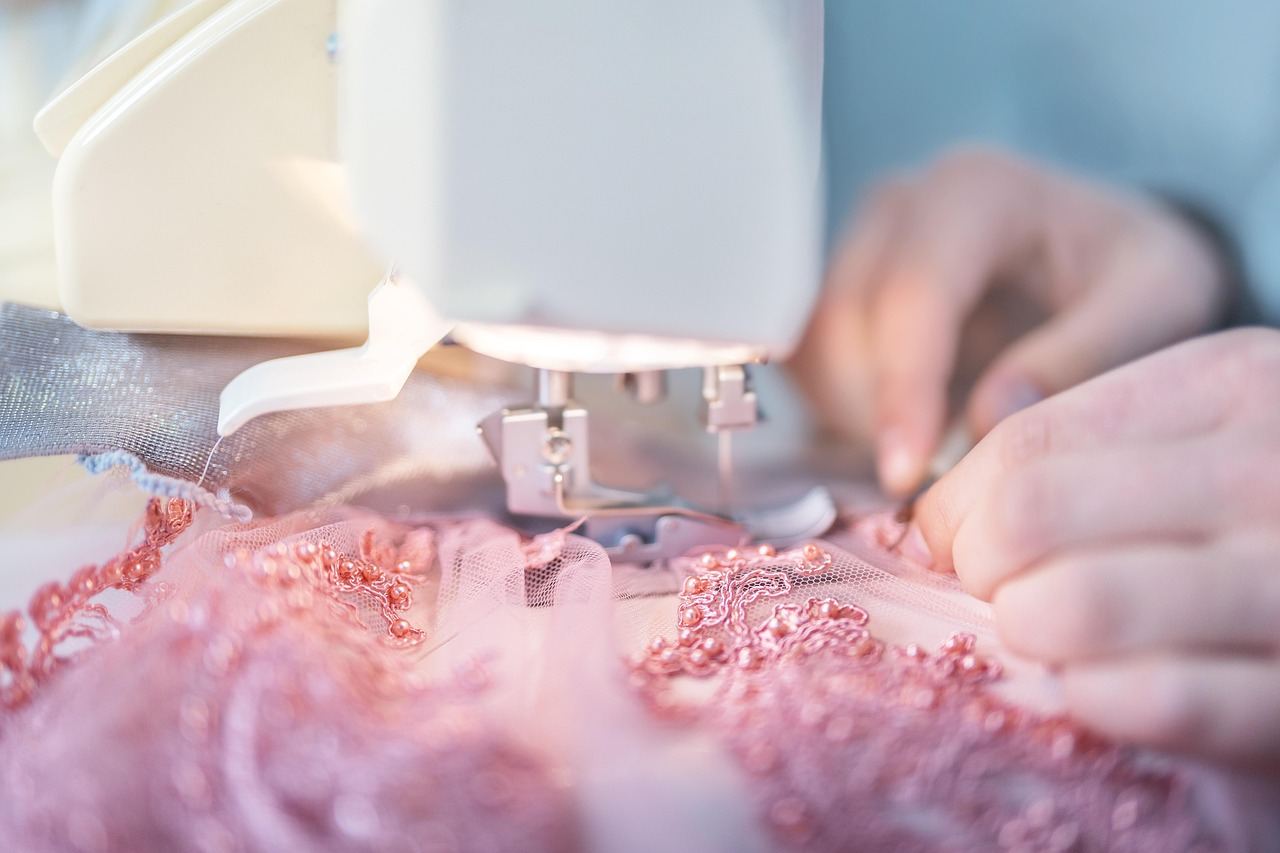
Sewing isn't just about fabric; its rhythmic stitching can induce a deep flow state that feels more rewarding than many traditional forms of meditation.
Learning sewing as a beginner starts with the basic technique of pulling two pieces of fabric apart at a seam. That join — thread looped through layers in a locked stitch — is both the simplest thing in sewing and the foundation of everything else.
Unlike knitting or crochet, it works with flat material you cut and shape yourself, which means the fit, the silhouette, and the structure are entirely in your hands.
Sewing involves hands-on fabrication of garments, accessories, or home items by cutting fabric, pinning layers, and stitching seams with a sewing machine or hand needle, often customizing fabrics and patterns while assembling components like zippers and hems over hours or days.
Sewing induces a flow state through its rhythmic stitching and problem-solving aspects, providing immediate tactile feedback and a sense of accomplishment from tangible outputs, while also fostering creative expression through fabric experimentation.
You think sewing is your grandmother's hobby. Needle, thread, maybe a button reattached in a moment of desperation – that's the whole picture, right?
That assumption is exactly why most people quit before they ever start.
Sewing is actually spatial problem-solving disguised as craft – you're reading 2D patterns and building 3D objects, which is the same core skill used in architecture and engineering.
Every seam is a decision about tension, grain, and structure. Beginners who treat it like coloring inside the lines stall out fast, while the ones who understand why the steps exist move quickly.
The "slow hobby" reputation is backwards – a confident sewist can produce a fitted garment in an afternoon, because the skills grow exponentially with practice.
A tailor in a small shop in Lisbon once explained it this way: he learned sewing to fix his own clothes, then spent six months obsessed with why his collars kept warping.
Solving that one problem taught him more about fabric behavior than any class had. He now makes suits for people who fly in specifically to work with him.
Same entry point. Completely different ceiling.
The tools and materials are where most people get confused first – and where the internet gives genuinely bad advice.
Watching someone sew on YouTube is calming. You see clean lines, smooth fabric, and a hem completed in four minutes flat.
Your first session won't look like that. It feels like a battle against the machine, your fabric, and your own hands all at once.
Beginners forget it's not just about excitement. You pick out fabric and queue a tutorial, only to realize you've threaded the machine wrong and your seam is crooked.
It gets better with practice. You learn to trust your stitch after setting the thread tension correctly. You might unpick that crooked seam four times, but then you finish something. It's small, imperfect, and completely yours. Your first finished piece is a milestone, not just an object.
The project looks bad. You want to bin the whole thing. The machine makes a noise it definitely shouldn't have made. This is exactly where sewers either stop forever or realize that unpicking a seam isn't failure. It's the actual skill being built.
Needles matter more than you think, especially when starting out. Using a dull or wrong needle for your fabric type causes half the problems beginners blame on themselves. Use a ballpoint needle for knits or a sharp needle for wovens. Check the needle before you blame your tension.
When to start: Morning
Duration: 1 hour
Cost to try: $15
Success criteria: if you finished without breaking a needle, do session 2.
Beginners often mistake the long arrows on pattern pieces as unimportant. But they matter if you don't want your shirt twisting weirdly after washing.
Align every arrow parallel to the selvage before cutting. It prevents fabric distortion.
Machine threading is precise. Skip one hook, and you'll face thread shredding or snapping constantly.
Follow every guide in sequence when rethreading. Slow and steady threading avoids headaches.
It's tempting to pull fabric as you sew, thinking it helps. But this bends needles and messes with stitch length.
Use your hands as gentle guides, not pullers. Let the feed dogs do their job.
If you start sewing at the very edge, stitches won't hold. Threads pull out, and seams unravel.
Begin a centimeter in, backstitch to the edge, then go forward. This locks the starting point.
One needle isn't suitable for all fabrics. Using a cotton needle on knits results in skipped stitches or frayed chiffon edges.
Choose the right needle for your fabric. Ballpoint for knits, sharp for wovens, microtex for sheers.
Sewing often takes place at home. A corner of a bedroom, a folding table, or a dedicated craft room.
Fabric stores, community centers, and makerspaces host open sewing nights. You can learn a lot from others working on their projects.
Introduce yourself as a beginner. Say you haven't completed a project.
You'll get a machine tutorial, project ideas, and help getting started without spending hours on YouTube troubleshooting.
No need for a machine. No setup costs. Just a needle, thread, and your hands. It's slower, but the best place to start if you're unsure about sewing's appeal.
This is what most people mean when they say they want to sew. A basic mechanical machine runs $100–$200 and handles everything from clothing to home goods. Best for anyone ready to commit past the dabbling stage.
Decorative stitching on fabric — you're adding detail, not constructing. It's the easiest entry point, with small kits starting under $20 and projects finishing in a single sitting.
Piecing fabric shapes and stitching layers into a quilt demands precision. Small cutting errors compound across many pieces. Best for people who enjoy methodical work with clear goals.
Technically sewing, but tools, needles, and thread are different from fabric work. Leather requires punching holes before stitching. Gear costs jump noticeably; starter kits run $40–$80 before materials.
If this resonates, Diorama Building explores a similar direction.
Another variant that pulls from the same roots is Clay Sculpture.
Beginners often focus on straight seams and neat stitches, but these aren't where projects fail.
The real issue is fitting, and more specifically, not knowing how fabric grain controls everything.
Reading and respecting the grain line is the one skill that matters. Woven fabrics have a straight grain, a cross grain, and a bias. Where you place your pattern piece on this grid affects whether a skirt hangs properly or twists, whether a sleeve pulls, or whether a collar lies correctly or flips up unexpectedly.
Align the grain perfectly, and the fabric naturally follows your design — no effort required.
Mistake the grain by just a few degrees, and nothing will fix the drag lines or the mysterious hem dips.
Six sessions should give you the clarity you need. If you're still questioning whether sewing is for you after those, let's examine three possible outcomes.
You're anticipating the next session before this one even ends. This means you're genuinely hooked. Start thinking about your next project while still working on the current one and embrace that momentum.
If the sessions leave you indifferent, with no urge to return or think in-between, that's valuable feedback too. It shows the hobby hasn't quite clicked. Try one more sewing project with a clear, personal goal — creating something you'd wear or use could shift your perception.
Hating every moment indicates a clear mismatch. Precision and patience are key, and some people just prefer quicker activities. It's not about inability, just misalignment.
Your curiosity about fabric details in everyday life is your real green light. Inspecting garments or noticing construction details in public means sewing is on your mind, even when you're not at your machine.
If fine motor control is a real issue for you due to tremors or joint pain, sewing may be more struggle than joy. Unless you can carve out a dedicated workspace, logistics will become your largest hurdle, especially if you're continually setting up and packing away. A cramped schedule also suggests a poor fit, as sewing generally requires uninterrupted blocks of time to be satisfying.
Looking for something lighter? Our boredom-busters guide is built for exactly that.
A basic starter kit with a sewing machine, thread, needles, and scissors typically costs $50–$150. You can begin with an entry-level machine or hand-sewing supplies, then invest in higher-quality tools as you progress. Most hobbies become more cost-effective over time since you're creating items instead of buying them.
No, sewing is beginner-friendly if you start with simple projects like pillowcases or tote bags. Basic straight stitches can be learned in just a few hours, and mastering fundamental techniques takes a few weeks of practice. The difficulty increases only as you tackle more complex patterns and garments.
A simple project like a tote bag or drawstring pants takes 2–4 hours for beginners, while a basic shirt might take 6–10 hours spread across multiple sessions. Hand-sewing takes longer than machine-sewing, but allows more control and portability. Experience significantly reduces completion time.
You need a sewing machine (or needle and thread for hand-sewing), fabric scissors, needles, thread, pins, and a measuring tape. A cutting mat and rotary cutter are helpful but optional for beginners. Many successful sewers start with just hand-sewing basics before purchasing a machine.
Absolutely—many home sewers create garments that rival store-bought quality with practice and proper pattern selection. Starting with well-designed patterns and quality fabric makes a huge difference in the final result. Most sewers achieve impressive results within their first few completed projects.
Even 5–10 hours per week shows noticeable skill improvement, though you can make meaningful progress with less frequent practice. Many hobbyists dedicate 2–3 hours weekly, working on projects gradually over time. Consistency matters more than intensive practice sessions.