BoredomBusted — Find Your Next Favorite Thing To Do
Discover hobbies, activities, places, and ideas that spark joy. Whether you're looking for something creative, active, social, or relaxing, BoredomBusted helps you find your next favorite thing to do.
Browse our hobby guides, things-to-do collections, and place ideas to never be bored again.
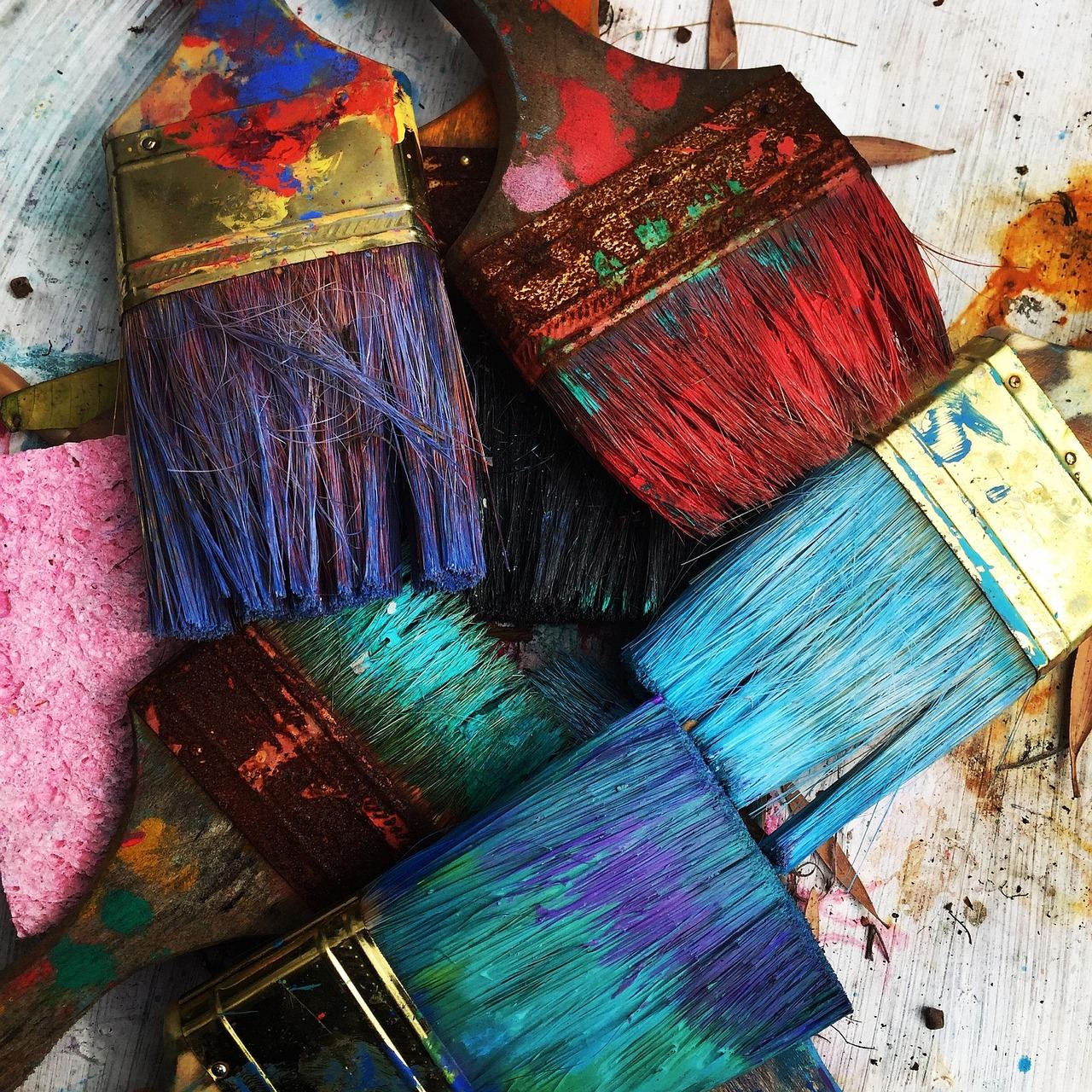
Silk painting isn’t just art—it's a tactile journey that transforms unpredictable color blending into a rewarding flow state and immediate progress.
Getting started with silk painting as a beginner allows you to create stunning, luminous art that showcases the unique qualities of silk. Silk painting is applying dye or paint directly to stretched silk to create art that glows when held up to light — something no canvas medium can replicate.
The dye bonds with the fiber at a molecular level. The silk isn't a surface you paint onto — the silk is the final piece. That's a fundamentally different relationship than watercolor or acrylics.
And unlike broad fabric dyeing, the control here is brushstroke-level precise. You can paint fine detail into a scarf you'll actually wear — or frame it and hang it on a wall.
In silk painting, you stretch pre-cut silk over a frame, sketch a design on it, and apply liquid resist to create barriers. You mix dyes and paint the silk using various techniques, such as wet-on-wet blending or stripes, while controlling the flow of paint. After drying, you heat-set and wash the silk, ultimately transforming it into a wearable piece of art like a scarf.
Silk painting induces a flow state through the tactile interaction with paint, which requires focused attention to manage unpredictable color blending. The iterative nature of painting techniques provides immediate feedback, allowing you to see your progress and mastery in each piece. Additionally, the satisfaction of completing a functional artwork reinforces a sense of accomplishment, while opp…
You think
silk painting is a craft fair hobby. Delicate scarves, retirees with brushes, something your aunt does.
Silk painting isn't just a hobby; it's a living tradition with a rich history.
This art is about controlled chaos – guiding dye as it moves.
It's an ancient craft rooted in Japanese and Chinese textile traditions.
Beginners achieve beauty quickly, while experts create commissioned pieces worth thousands.
Picture this: a beginner spills blue dye near orange on silk. Not mud.
A sunset gradient emerges, swirling into shapes that feel beyond handmade.
The material does much of the creative work with you.
So, do you need a studio, a big budget, or an art background to start? The answer might surprise you.
Silk painting videos make it look effortless. The dye seems to glide perfectly, creating dreamlike gradients in the hands of the artist. But in your first session, that dreamy control feels far away. The silk has its own way of guiding the dye and finding paths you might not intend.
Expect colors to bleed beyond their boundaries, and fabric to puck and lift. Dye creeps past gutta lines and colors might blend into unexpected shades. These missteps are where real learning happens, not failures to shy from.
By the second session, placement starts making sense. Mistakes become signals rather than setbacks. Slowly, you recognize when to guide the dye and when to let it lead.
Your first 'hangable' piece might not be perfect, but it represents the moment when you start collaborating with the silk. The gap between chaos and art is narrow and closing faster than it seems from the outside. Next, we'll dig into common mistakes that prolong this transition and how to avoid them.
When to start: Morning
Duration: 1 hour
Cost to try: $10
Success criteria: If you outlined and filled a simple silk motif with clean edges on one piece of fabric, do session 2.
Silk dye moves quickly, often faster than expected. Beginners think they can control it freehand, only to see colors bleed through every supposed boundary.
Apply gutta resist or water-based serti resist on every edge before your brush touches the fabric.
Beginners often over-saturate, thinking more dye means richer color. Silk dye spreads by capillary action, so too much dye creates uncontrollable flooding.
Dampen your brush, don't drench it. Test the flow with similar-weight silk before you start.
Habotai is cheap and everywhere, leading beginners to default to it. They then struggle with dye bleeding unpredictably due to the fabric's different weave tension.
Colors might look set and dry, but beginners often rinse too soon, losing half the saturation immediately.
Steam for at least 45 minutes with consistent heat in a pot steamer.
An unevenly stretched frame seems okay until dye pools in low spots, leaving dark tide marks.
Pin silk at equal tension around the entire frame before adding any dye.
Silk painting can happen anywhere you can stretch fabric and use wet dye. Home studios, art studios, textile workshops, and community art centers are popular spots.
Craft schools and university programs offer structured environments for beginners.
Ask newcomers what they need to know before they touch fabric. This question usually gets you a tour of setup, dye mixing demos, and cautionary tips.
Apply lines of resist with thick gutta or water-based resist before painting on silk. The resist lines act as barriers to keep colors separate, making this method predictable and accessible. A tube of gutta costs a few dollars and comes in clear or metallic. Metallic gold gutta integrates into your design easily.
With this watercolor-style technique, dye is dropped onto pre-wetted silk and allowed to spread naturally. Ideal for artists who embrace minimal control, it's freeing for some, frustrating for others, depending on your temperament.
Paint a sugar-and-water solution to slow dye spread and create feathered edges. Perfect for those balancing control and chaos. No special equipment required— just your kitchen table.
Steam-fixed dyes offer luminosity and permanence beyond iron-fixed options. Great for those ready to invest in long-lasting work. A steamer setup costs $50–$150, and the dyes are more expensive, but the color payoff justifies the price.
Batik uses hot wax as a resist, leaving intricate, cracked patterns. Best for those with batik experience, this requires a tjanting tool and wax melting pot. Expect to add $30–$50 to your materials cost.
Face Painting is a sibling pursuit and often surfaces the same kind of curiosity.
If this resonates, Glass Painting explores a similar direction.
Mural Painting is a sibling pursuit and often surfaces the same kind of curiosity.
Most beginners chase smoother brush strokes and even color coverage. But that's not the root of their struggle.
Reading wet dye migration is the real game-changer—knowing how far the dye will travel before you paint.
Silk isn't like paper or canvas. Dye moves toward dry spots and away from wet ones. Each stroke is a prediction rather than an exact placement.
Once you see the silk's moisture state instantly, everything clicks.
You stop chasing bleeds and start using them. Your colors land where you want, not centimeters past your intention. Gutta lines stop being panic barriers. If you can't do this, you'll always be reacting. The dye keeps winning.
The next section reveals how this skill influences your material choice.
Commit to 6 sessions over 30 days – roughly one and a half per week. That's enough to move from the "I broke the gutta line" panic phase to creating pieces that resemble your intention.
If by now you're excitedly planning your next color mix before the current piece even dries, silk painting has hooked you. Your brain is eager to dive into its complexities. Get a second frame and start sourcing different habotai weights online.
If you've finished each session without feeling any pull to return, it's likely the concept fascinates you more than the act itself. Extending your sessions probably won't change this. Try a one-day natural dye workshop. A tactile shift might offer a fresh perspective.
If the process felt like a struggle from start to finish, this might not be your craft. Some people find it hard to let go of control – splashes and unintended mixes can feel like failures. Silk painting demands acceptance of unexpected outcomes.
You're not painting yet, but you photograph fabric at markets – noting dye lot variations and how light moves through cloth. That spontaneous curiosity signals genuine interest.
Still looking for something to do? Browse things to do when bored for more ideas.
You'll need silk fabric (scarves, habotai, or charmeuse work well), silk paints or dyes, brushes, a wooden frame or stretcher bars to hold the fabric taut, and a heat source like an iron or steamer to set the dyes. A starter kit typically costs $30–$60 and includes most essentials for beginners.
Most beginners can create their first finished piece in 2–4 hours, but developing control over color blending and preventing bleeding takes about 4–6 weeks of practice. The learning curve is gentle—basic techniques are accessible to anyone, regardless of prior art experience.
Silk painting is beginner-friendly because mistakes are part of the creative process and often produce beautiful, unexpected results. The unpredictability of how dyes flow on silk is actually liberating—there's less pressure for perfection compared to traditional painting.
A basic starter kit with fabric, paints, and tools ranges from $30–$80, with individual supplies costing $5–$15 each. Quality silk fabric is the biggest ongoing expense at $3–$10 per meter, depending on type and source.
Common projects include scarves, pillowcases, wall hangings, clothing panels, and small accessories like handkerchiefs or eye masks. The finished pieces are wearable art that make personalized gifts or home décor items.
Heat-setting is essential and typically done by ironing the fabric on high heat for 3–5 minutes or steaming it for 30–45 minutes after the dye has dried. This permanently bonds the dye to the silk and ensures the colors last through washing.