BoredomBusted — Find Your Next Favorite Thing To Do
Discover hobbies, activities, places, and ideas that spark joy. Whether you're looking for something creative, active, social, or relaxing, BoredomBusted helps you find your next favorite thing to do.
Browse our hobby guides, things-to-do collections, and place ideas to never be bored again.
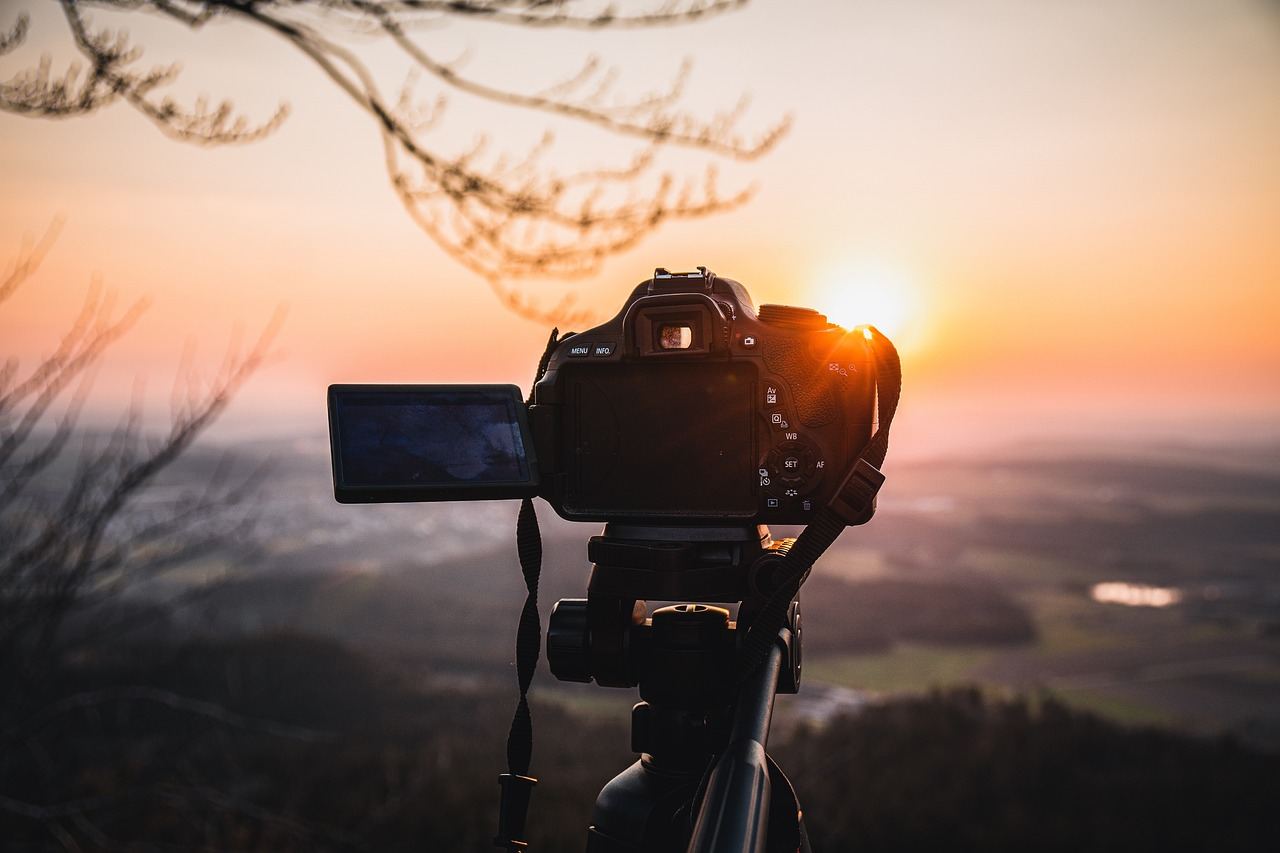
Travel photography isn't just about capturing exotic scenes; it's about mastering composition and patience in any location to elevate your visuals.
Getting started with travel photography as a beginner allows you to capture the essence of new places, people, and moments in stunning visuals.
Using a camera (phone or dedicated) allows you to capture what a location actually feels like, not just what it looks like.
Unlike landscape or street photography, it's defined by context: the journey is the point, not just the subject.
In travel photography, you physically explore new locations, scouting for unique subjects like shadows, local crafts, or candid moments. You set up your camera with tripods and filters, meticulously adjust settings for optimal lighting, and wait patiently to capture images that tell a story about the place. This involves intentional composition and experimenting with perspectives to create visual…
Travel photography combats boredom by inducing a flow state through focused setup rituals that require patience and skill, fostering mindful exploration of new environments. The immediate visual feedback from reviewing and refining shots builds mastery and satisfaction, while challenges linked to creative expression offer a sense of accomplishment and connection through shared experiences within …
You think travel photography is about being in the right place. Exotic light, foreign streets, a good camera. That's the assumption – and it's why most people come home with 400 forgettable shots.
The location isn't what makes the shot. The same alley in Lisbon can produce both stunning work and flat snapshots, even under the same conditions.
Travel photography teaches you to read a scene before raising the camera. That skill changes how you experience travel, far beyond just documenting it.
Chris Burkard, a photographer, became famous shooting remote, brutal coastlines. Often in near-darkness, often in Iceland's winter.
These locations may sound cinematic. His images succeed because he learned where to stand, when to wait, and what to exclude.
Forget about gear for a moment. Composition, patience, timing – those are the real tools behind the shots you admire.
You're thinking about what gear matters next, right? That's coming up.
Travel photographers make it look easy: golden hour, perfect strangers, one click. But then there's you, in a bustling market, sweating and second-guessing every shot, with only 11% battery left.
The gap between their polished feeds and your initial photos is real. It won't last forever. It's part of the process.
You get on the flight confident.
Then freeze at your first interesting face.
Shoot signs instead of people. Delete everything at the hotel.
Question if you're just bad at this.
Then slow down. Observe the street. Capture one keeper per spot.
You start by photographing buildings, food, landscapes—anything but people.
Approaching strangers feels impossible.
Week two, you get one candid of a stranger, and it becomes the trip's highlight.
By week three, you're arriving early. Light becomes your real subject.
Hallways get shorter as your confidence grows.
Know what others have shot before you go. Study Flickr, Instagram, or Google Street View the night before.
Avoid the obvious shots. Look for perspectives others ignored.
Miss some shots. Encounter bad light and wrong timing. Crowds might ruin your frame.
That's not failure—it's calibration. See how these mistakes become stepping stones in the next section on avoiding them for good.
When to start: Morning
Duration: 1.5 hours
Cost to try: $0
Success criteria: If you finished without taking fewer than 10 photos, do session 2.
Auto mode gives you technically correct photos but very little soul. You need more control to create engaging images. Switch to Aperture Priority (Av/A mode). Adjust your aperture to shape your vision, while the camera takes care of shutter speed.
Midday lighting destroys depth and texture. To avoid this common mistake, plan your visit using The Photographer's Ephemeris. Schedule your shoots for the golden hour's soft glow, not just when it's convenient for you.
The classic postcard shot is tempting, but it won't stand out. Explore for 10 minutes before settling on a spot. The unique angle is rarely the one from the main entrance.
Rapid-fire shooting usually means 400 average photos instead of meaningful ones. Slow down. Work the scene: move until the composition is clean, then capture no more than three frames.
Random shots of pretty locations don't tell a tale. Choose a theme before you travel: street vendors, doorways, hands, dogs. A focused subject transforms snapshots into a coherent story.
Start with what's near you. Explore public parks, historic districts, and local markets to develop your eye before considering far-flung adventures.
When you attend a meetup, say this: "I'm just starting out – I want to shoot more intentionally and I'm here to learn." That honesty can lead to a mentor pairing, honest gear feedback, and an invite to the next group shoot.
Street photography focuses on people and their stories — strangers, markets, the chaos of city life. Perfect for those interested in the human side of travel rather than scenic views. Opt for a small mirrorless or compact camera; it keeps interactions more natural and less intimidating.
This is about capturing nature's drama at the right moment — the golden hour glow, striking terrain, and no people in the picture. Best for introverts who find peace in solitude, waiting for the perfect shot. A wide-angle lens and tripod are your tools; budget an extra $150–300.
Documentary photography captures an evolving story — a community, tradition, or journey. For those who plan their shots through deep research, these photos hold meaning and relevance for years. It's about crafting a narrative, not just capturing moments.
Drone photography reveals the world from above, offering a unique perspective. Ideal for those who enjoy technical challenges, but consider the costs. Entry-level drones are $300–800; only dive in if this perspective excites you already.
Smartphone travel photography is about deliberate creativity. A single lens forces you to nail composition, often more effectively than novice setups. If you prefer to travel light but still capture impressive photos, this is where you should begin.
Most beginners focus on gear and settings, but the real breakthrough is reading a scene before lifting your camera. It's not about composition or exposure.
The trick is seeing how light and movement intersect in a space. Being able to spot where these elements will meet and waiting for that moment makes all the difference.
Anticipate scenes instead of chasing them. That split-second awareness can transform your photos from ordinary to striking.
Without it, you're stuck reacting late and getting the same shots as everyone else.
The photographers you admire weren't luckier; they were just in the right spot first.
Plan for 8 shooting sessions over the next 30 days, roughly two per week. This lets you practice seeing new opportunities wherever you are, even close to home.
If you can't wait for the next session, trying new angles and missing your camera on casual outings, that shows genuine interest. Start keeping notes on what you notice and consider investing in a camera upgrade.
If the sessions just felt like a routine chore, that's real feedback. Before deciding, try exploring new subjects or different types of lighting. Maybe incorporating some friends or family for a different dynamic can refresh your perspective.
If picking up the camera felt like a burden, it signals a misalignment with the activity. It might be that your interest lies more in enjoying the sights without capturing them. That's useful information for finding a better fit.
Being irritated about leaving your camera behind shows a shift in perspective. Your mind is starting to view experiences through a photographer's lens.
For a wider menu of options, see our list of hobbies.
If travel photography feels like too much to commit to right now, browse what to do when you're bored for lower-stakes ideas.
You can start with just a smartphone camera—modern phones produce excellent travel photos. As you progress, a mirrorless or DSLR camera with a versatile lens (like 24-70mm) is ideal for capturing both landscapes and cultural moments. A sturdy tripod, spare batteries, and a good camera bag round out the essentials.
You can capture compelling travel photos within weeks by learning composition basics like the rule of thirds and framing. Developing a distinctive style and consistent quality typically takes 3–6 months of regular practice. The learning curve accelerates when you're traveling and shooting new subjects daily.
No—you can start completely free with a smartphone. Entry-level camera kits run $400–800, while professional-grade gear costs $1,500+. Your biggest expenses will likely be travel itself rather than photography equipment, giving you flexibility to start minimal and upgrade over time.
Travel photography combines landscape, portrait, and documentary styles while emphasizing storytelling about places and cultures you encounter. Unlike studio photography, it requires adaptability to changing light and unpredictable conditions, and unlike sports photography, it prioritizes capturing authentic moments over action.
Always ask for consent before photographing strangers—a smile and gesture works in most cultures, even without shared language. Learn basic phrases like "May I take your photo?" in local languages. Respect refusals immediately, and consider offering to share photos via email or social media as a gesture of goodwill.
Yes—many travel photographers earn income through stock photo sales, tourism board commissions, travel blog sponsorships, and selling prints or digital downloads. Building a portfolio and social media presence takes time, but it's realistic to monetize after 6–12 months of consistent, high-quality work.