BoredomBusted — Find Your Next Favorite Thing To Do
Discover hobbies, activities, places, and ideas that spark joy. Whether you're looking for something creative, active, social, or relaxing, BoredomBusted helps you find your next favorite thing to do.
Browse our hobby guides, things-to-do collections, and place ideas to never be bored again.
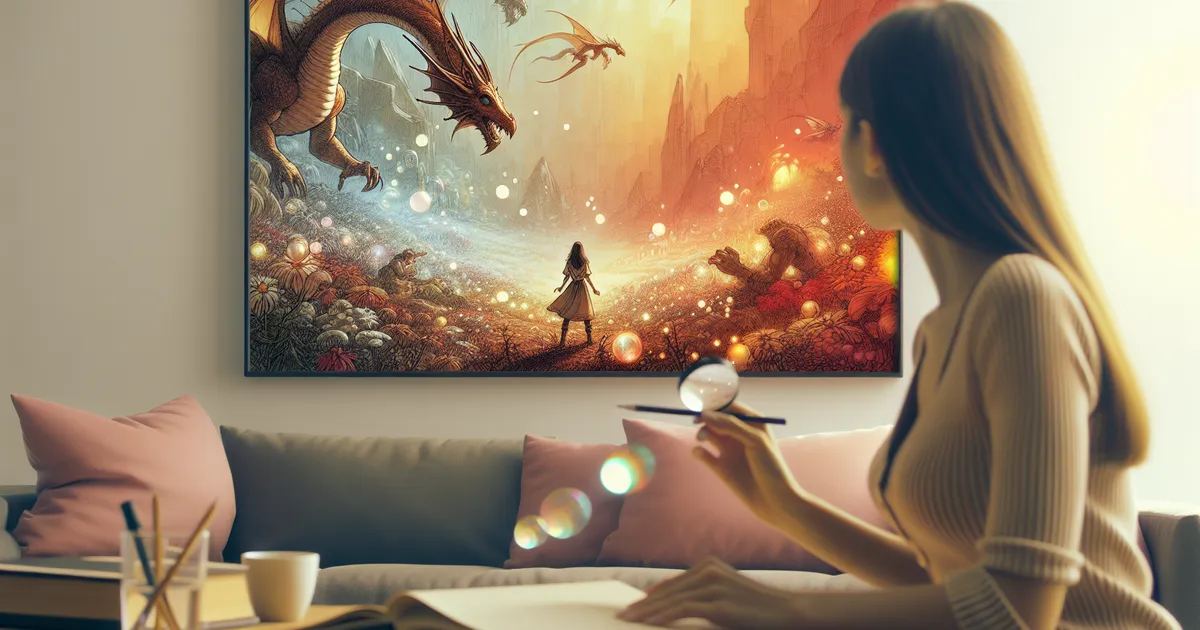
Fantasy Illustration thrives on your decisions, not talent — it’s more about creative problem-solving than copying the perfect dragon.
Learning fantasy illustration as a beginner involves harnessing your creativity to visualize intricate worlds and captivating creatures. The process can be incredibly rewarding, allowing you to express your imagination on paper or digitally. Whether you prefer drawing, painting, or using digital tools, the key is to start with the basics and gradually develop your skills.
You transform ideas into images using mental concepts or written references.
Unlike general drawing, every visual decision serves your fictional universe, not just replicating reality.
In Fantasy Illustration, hobbyists create imaginative creatures and environments by sketching with pencil or digitally, starting with basic shapes to define proportions, then adding intricate details and colors that reflect the characters' personalities and stories, often using iterative thumbnails and reference images to refine their designs.
Fantasy Illustration induces a flow state through the challenge of merging real-world references into fantastical designs, offering immediate skill feedback as artists see their improvements, satisfying creative drives by allowing complex feelings to be visualized, and providing a sense of accomplishment with completed pieces.
You think Fantasy Illustration is about raw talent – either you can draw dragons, or you can't.
That misconception holds many people back from even trying. Fantasy Illustration isn't a gift. It's a decision-making skill dressed up in cloaks and fire.
It builds visual problem-solving. Each scene asks you to decide what's real, what's exaggerated, and what serves the mood. This isn't a niche party trick; it's a universal skill.
Consider this: the "fantasy" part isn't about complexity, it's about freedom. You're not reproducing reality but crafting the rules and following them. This eliminates the barrier beginners fear most.
Most skilled fantasy illustrators aren't classically trained. They are driven by curiosity – understanding how light hits armor, how wings attach to muscle, how fog changes at dusk. Curiosity drives improvement.
Take the hobbyist who spent three weeks drawing the same castle gate from different angles. It wasn't about perfection but understanding what makes a gate look imposing. By week four, she designed her own fortresses that felt authentic and grounded.
She didn't learn to draw; she learned to see.
Drop the talent myth. Now, consider what you truly need to start this hobby. You might be surprised how little it actually takes.
When you watch someone sketch a dragon mid-flight, it seems effortless. Then you try, and your hand ignores your brain's instructions.
You're confident. Armed with Pinterest boards full of reference material. Visions dancing in your mind. Eraser dust covers everything. Proportions are off, the hand looks like a claw, but you're still kind of into it.
Drawing an ear takes most of the first week. You'll find yourself drawing the same face again and again, unsure of where everything belongs.
The second week opens your eyes to basic shapes. Add armor or wings, though, and it all collapses.
By week three, you'll complete something. It may not resemble the reference, but it's a progression from the first week.
Your hand lags behind your eye by the fourth week. Observing linework in others' illustrations reveals your advancing skills.
Gesture drawing is the unspoken key to fantasy illustration. Spend your first two sessions sketching human figures in quick succession before embracing wings and swords.
Bad sketches are not failures. They're your hand learning what your brain understands.
Many give up just before seeing real progress. The next section covers mistakes that keep you from breaking through.
When to start: Early morning
Duration: 1 hour
Cost to try: $10
Success criteria: If you sketch, ink, and color a fantasy character with clear silhouette and readable costume details on one page, do session 2.
Characters only make an impression if their silhouette captures attention. Yet, many learners get lost adding scales and glowing effects when the silhouette itself is off.
Squinting at your sketch blurs the image enough to test its strength. If it fails to communicate at thumbnail size, add no detail until the foundation holds.
Fantasy art thrives on magical light sources. But adding these carelessly makes scenes bland and unrealistic.
Before painting highlights, mark your main light direction on the canvas. Don't contradict this direction.
Many try to imitate their favorite artist without knowing the rich pool of inspirations behind the work.
Devote two weeks to five-minute studies of admired works. Focus on understanding choice justifications, not mere appearances.
Armor and cloaks seem like clever shortcuts. They tempt you away from addressing foundational anatomy issues.
Draw the figure unclothed first. Ensure its joints and weight are correct before dressing.
Round brush comfort is misleading. Don't let familiarity turn every surface into bland skin, stone, or cloth.
Limit yourself to five distinct brushes. Categorize and assign them to textures before painting begins.
Real growth in fantasy illustration happens when you connect with other artists. Get out of your room and find where they're gathering.
Introduce yourself as a beginner focused on fantasy. You'll bypass small talk and get feedback on your sketches fast. Connections here often lead to book recommendations or new study styles, plus invites to future sessions.
This is classic fantasy art—portraits, heroes, mythical creatures. Start here if you love drawing single subjects. It's manageable and fast-paced for feedback.
Imagine full scenes like fog-covered ruins or dense forests. Focus on creating unity. You have to make everything feel like it naturally belongs together. Ideal for those who think in worlds, not just characters.
You're constructing biology that defies reality. Plan for a deep dive into real-world biology. Creature designers are always in demand for games and animation.
Using grids and limited palettes takes you back to old-school gaming art. Perfect for those who want clear endpoints. Free tools like Aseprite let you dive in easily, paid version costs $20.
Think of iconic card games like Magic: The Gathering. Best suited for detail-oriented artists wanting to work professionally.This style prizes clarity and impact in tight compositions.
Leathercraft lives in the same world — different mechanics, similar appeal.
If you want a related angle, Model Building is the natural next stop.
Fashion Design is a sibling pursuit and often surfaces the same kind of curiosity.
Beginners often get stuck on perfecting anatomy and rendering. They focus too much on details.
Understanding light as a storytelling tool is the turning point.
The critical skill here is managing value structure. It's the planned use of darks, lights, and midtones that guides the viewer's eye and creates depth. This is not just about shading or contrast. It involves deciding in advance where your brightest and darkest values will be and ensuring every other tone supports them.
Nail this, and your art captivates instantly from a glance.
Without mastering it, pieces look messy.
Values will clash instead of delivering clarity and depth.
Cinematic artworks aren't superior due to drawing skill alone. They plan their designs strategically.
Commit to 8 sessions over 30 days. Roughly two per week, 45–60 minutes each. Enough to move past awkward first sketches and learn something real.
If you find yourself sitting down spontaneously, sketching in margins, or pulling up reference images regularly, the hobby has taken hold. This isn't just momentary excitement. The hobby is genuinely engaging you.
Develop a consistent practice and focus on one skill next— anatomy, lighting, or creature design.
Completing all 8 sessions without feeling drawn back indicates a disconnect with the process rather than a flaw in you. Experiment with a different medium, like digital instead of paper, to find your engagement.
If you were bored and always checking the time, it's a signal. Some love the idea of creating and find the reality doesn't fit. Fantasy Illustration thrives on patience and solitude.
If you've been collecting concept art, book covers, or creature designs for years without knowing why, it's not just casual interest. That's stored passion waiting to be explored.
You can begin with basic supplies: pencils, sketchpads, erasers, and colored pencils or markers. As you progress, many artists invest in digital tools like a graphics tablet and software (Photoshop, Procreate, or free alternatives like Krita). Even simple materials are enough to start learning fundamentals—quality tools aren't essential for beginners.
Basic competency typically takes 3–6 months of regular practice, while developing a distinct style usually requires 1–2 years. However, improvement is continuous, and you'll see meaningful progress within weeks of consistent practice. The timeline depends entirely on your dedication and how frequently you practice.
Not at all—you can develop drawing skills *through* fantasy illustration. Starting with character and creature design can actually be more motivating than traditional drawing practice because you're creating imaginative content. Most successful artists began as beginners and improved steadily through practice.
You can start for under $50 with basic pencils and paper from a local art supply store. Digital tools range from free software to $50–$100 for beginner-friendly tablets. Professional-grade equipment (quality tablets, Adobe subscriptions) costs more, but upgrading can wait until you're committed to the hobby.
Fantasy illustration combines imaginative worldbuilding with technical drawing skills to create characters, creatures, and scenes that are fantastical and otherworldly. Regular drawing focuses on realism or observation, while fantasy illustration emphasizes imagination, storytelling, and creating elements that don't exist in reality.
Yes, there are thousands of free and paid tutorials on YouTube, Skillshare, and dedicated art platforms. Online courses range from $10–$100, and many artists recommend combining video tutorials with practice and community feedback. Building a portfolio through online learning is entirely possible.