BoredomBusted — Find Your Next Favorite Thing To Do
Discover hobbies, activities, places, and ideas that spark joy. Whether you're looking for something creative, active, social, or relaxing, BoredomBusted helps you find your next favorite thing to do.
Browse our hobby guides, things-to-do collections, and place ideas to never be bored again.
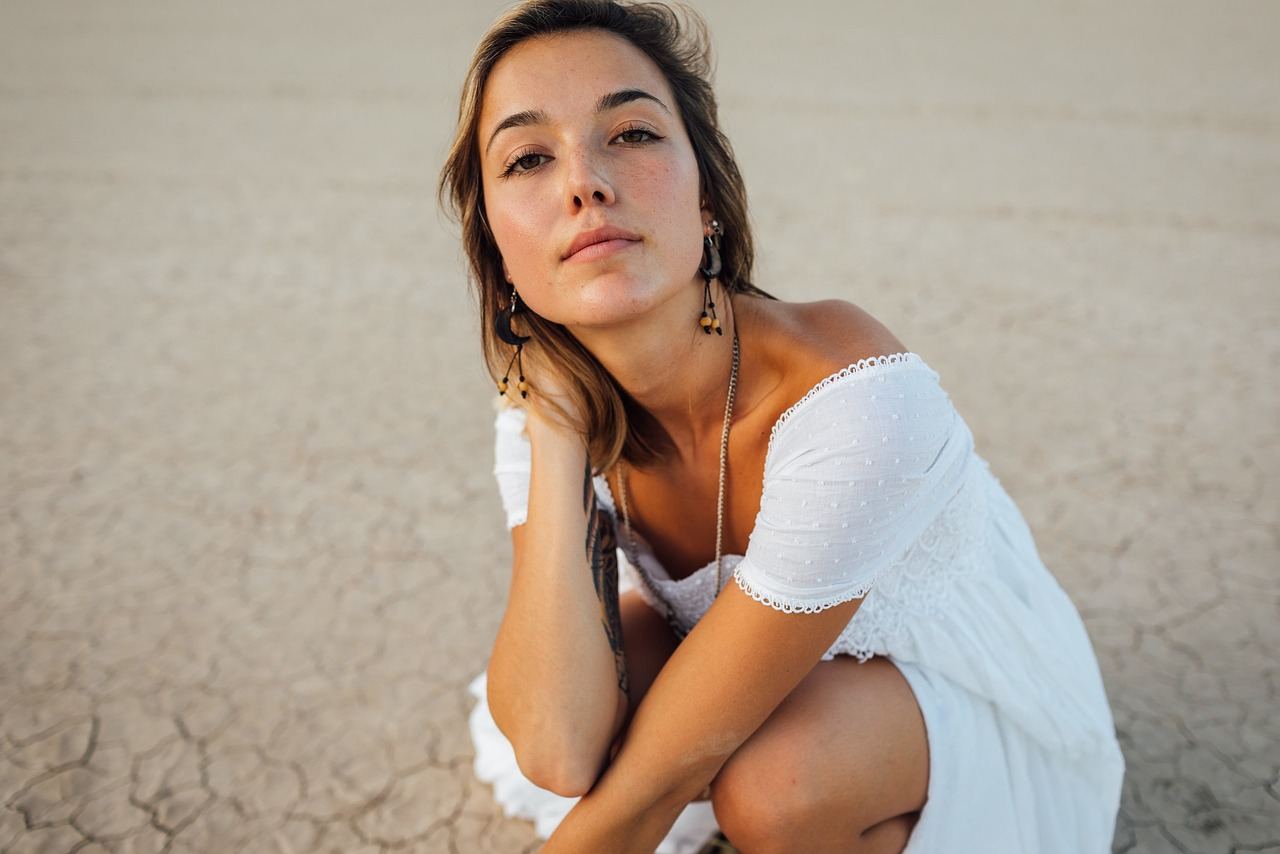
Fashion photography isn’t just about style—it's a high-pressure problem-solving act that emphasizes storytelling over clothes, revealing an unseen architectural craft.
Getting started with fashion photography as a beginner allows you to turn everyday clothing into compelling visual narratives.
You control light, poses, and mood to craft the perfect image.
Clothes take center stage. Every choice aims to make them look intentional and compelling.
In fashion photography, hobbyists engage in hands-on shoots, scouting locations, styling outfits on models, setting up lighting, and capturing images with their cameras or smartphones. This involves transporting gear, directing poses, adjusting camera angles, and experimenting with props to create striking visual narratives.
Fashion photography fosters a flow state through the rapid visual problem-solving required in dynamic shoots, while immediate feedback on image composition enhances skill mastery. The creative expression involved in curating outfits and narratives brings novelty, and producing portfolio-worthy images generates a sense of accomplishment alongside social connections formed during collaborative shoo…
You think fashion photography is about making clothes look good. Maybe a model, maybe good lighting, maybe some Photoshop. It's a vibe job – not a real craft.
Holding onto that assumption will waste your first six months.
Viviane Sassen built one of the most distinctive careers in fashion photography not through access to luxury brands, but through a visual language she developed shooting in Africa – shadow, abstraction, bodies as geometry. The fashion world came to her because the craft was undeniable.
This is a technical discipline wearing an aesthetic costume. Get ready to explore what truly lays the foundation for excellence.
Fashion photography seems effortless when you watch behind-the-scenes videos or flip through Vogue. But reality feels different. You're stuck in a gap where you see the magic of the image, but don't yet understand why it works.
Your first sessions live entirely in that gap. In your head, everything looks amazing. But the model seems stiff, and the images don't pop like you imagined. You publish nothing and wonder why.
You'll fumble around figuring out where to stand, and most shots will still look boring. Getting just one decent frame is a win — and then you'll obsess over how you managed it, trying to replicate that moment.
Posing is another challenge. It becomes clear that giving direction is crucial, yet you might not have the vocabulary to express what you need. Gradually, the technical distractions fade, allowing you to start seeing the shot before hitting the shutter.
The delete rate is still high, but now you understand why. The seasoned photographers you admire didn't nail every shot from the start. They too churned out countless bad ones before closing the gap between vision and result.
Bring a clothing steamer or ensure your model has one. Wrinkled fabric looks much worse on camera than in person, and Lightroom can't fix a poorly folding collar.
Next, we'll tackle the common mistakes that keep your delete rate higher for longer than it should be.
When to start: Early morning
Duration: 1.5 hours
Cost to try: $0 (using existing gear)
Success criteria: If you make 5 outdoor shots with 3 distinct poses and 1 frame where the outfit and background both stay sharp, do session 2.
Bright midday sun creates more problems than solutions. It causes blown-out highlights and harsh shadows that can ruin a shot.
Many focus on poses that look good for portraits, not realizing fashion shots are about the clothing. The garment's movement and drape are critical.
Beginners often think Lightroom will fix every flaw. But editing can't completely hide wrinkles or awkward garment fits.
A cool location can be too distracting. Busy backgrounds take attention away from the clothing, sabotaging the entire photo.
Vague advice like "look natural" leads to stiffness and awkward poses. It leaves models unsure and poses lack energy.
Fashion photography can happen anywhere with good light and enough space. Home studios, rooftop locations, and public streets all transform into the perfect venue depending on the concept.
Start with Facebook Groups by searching "fashion photography [your city]" or "creative collective [your city]." Many local photographers organize shoots and share opportunities here.
Explore Meetup.com with the filter "photography meetup" for your city. Fashion-focused groups are common in mid-sized cities, and general photography meetups often include editorial photographers.
Model Mayhem (modelmayhem.com) is a key platform. Though it's mainly for models, photographers list their city and shoot type there. Community boards often organize test shoots.
Check your local chapter of the Professional Photographers of America, ppa.com. Regional chapters offer workshops, critiques, and member shoots. You can attend these events to see if the PPA is right for you.
Introduce yourself with the phrase, "I'm building my portfolio and looking for collaborative test shoots." It shows commitment and offers a mutual benefit, making connections more likely.
Images revolve around a concept or narrative here, often seen in magazines or lookbooks. Clothes support the story, not the reverse. Ideal for those who think visually and want full creative control. It's the top entry point for beginners.
Here, the priority is selling products, so everything else serves that goal. It's less about creativity, but offers steady client work. It's appealing for those who enjoy consistent income over artistic flair.
Capture real people wearing real outfits without a stylist or set. Embrace the lack of control. Perfect for those who prefer minimal equipment and a spontaneous approach.
Go for dramatic styling—fine art over typical advertising. Experienced collaborators are crucial. Ideal for those confident in directing models and coordinating teams.
Focus on facial features, makeup, and expression with tight crops. Technical skill is key, with no room for post-error. Excellent for patient photographers who thrive on precision.
If the texture of this appeals to you, Anime Drawing is built on similar bones.
A close neighbor worth considering: Cartoon Drawing.
Animation lives in the same world — different mechanics, similar appeal.
Fashion photography isn't driven by gear.
Beginners often fixate on lighting and camera settings. But after months, their photos still feel dull. The equipment isn't the key factor.
It's about what your subject is doing and your role in that.
Directing movement is the real art in fashion photography. Providing models with precise, physical prompts creates genuine, lively energy instead of stiff poses.
Physical instructions bring out micro-expressions and natural tension. This can't be mimicked by generic posing guides.
Mastering direction transforms your process. You're crafting moments, not hoping for them.
Otherwise, you'll end up taking countless frames just to find a few good ones, unable to pinpoint what made them stand out.
Even perfect lighting can't save an awkwardly posed model.
Start with friends, not models. Have them walk, turn, and stop on cue. Review which frames capture the most natural energy and work backwards from there.
Examine the moments around your favorite photos. Fashion is about sequences, not single frames.
Develop a list of model prompts. Note which cues sparked movement, and drop those that led to static poses.
Fashion photography relies on collaboration and personal connection, not just technical skill.
Commit to 6 sessions over 30 days – roughly one shoot every five days to really feel it out.
Texting your model before the session ends to set up the next one is telling. If solving lighting problems and getting the shot lights you up, fashion photography has its hooks in you. Start learning off-camera flash and build a lookbook. You're moving beyond dabbling.
Going through the motions without a spark usually points to a love for the solo technical aspect. Portrait or street photography might be a better fit if the subject, not the camera, feels off.
If working with people drained you every time, accept it. Fashion photography involves real-time direction and interaction. If that's not energizing, this isn't your path.
Saving editorial spreads without showing anyone is your sign. It's not just collecting images; it's instinctual thinking in images and mood. And that's the essence of fashion photography.
Looking for something different? The hobbies list is the easiest way to scan what else is on the table.
If fashion photography feels like too much to commit to right now, browse what to do when you're bored for lower-stakes ideas.
You need a camera (DSLR, mirrorless, or even a smartphone), a lens with good focus and aperture control, and basic lighting equipment like reflectors or softboxes. As you progress, you can invest in more advanced gear, but starting with the essentials is perfectly fine for building your skills.
You can grasp basic composition and styling techniques in 2–4 weeks of consistent practice, but developing a professional eye and building a portfolio typically takes 3–6 months. Mastery comes with years of shooting, experimenting with different styles, and learning from other photographers.
Not at all—the main challenge is learning composition, lighting, and how to direct models, but these skills are entirely teachable. Start with friends or practice on your own with mannequins or styled setups to build confidence before working with professional models.
You can start for under $500 if you use a smartphone and basic reflectors, or $1,000–$2,500 for a decent entry-level DSLR and lens setup. Professional lighting and additional gear will cost more, but you can grow your investment as you take on paid work.
Fashion photography focuses on showcasing clothing, accessories, and styling through carefully composed images that tell a story about aesthetics and identity. Unlike portrait photography, which emphasizes the subject's personality, fashion photography treats the outfit and visual narrative as the primary focus.
Start by posting casting calls on social media or modeling platforms like Model Mayhem or Instagram, and collaborate with friends for free or low-cost shoots. For locations, scout public spaces, ask for permission to shoot in interesting urban or natural settings, or connect with other photographers who share studio space.