BoredomBusted — Find Your Next Favorite Thing To Do
Discover hobbies, activities, places, and ideas that spark joy. Whether you're looking for something creative, active, social, or relaxing, BoredomBusted helps you find your next favorite thing to do.
Browse our hobby guides, things-to-do collections, and place ideas to never be bored again.
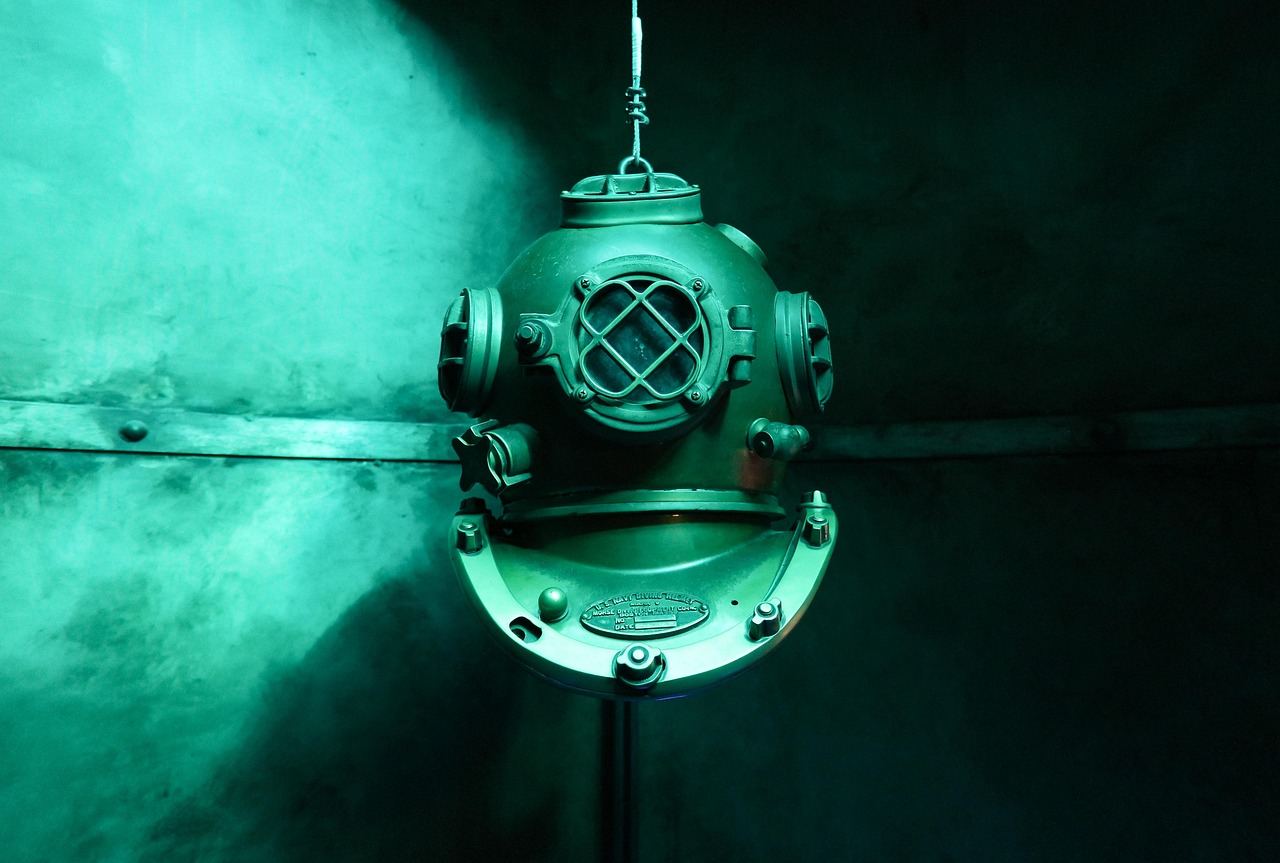
Diving isn't just adrenaline; it's also a meditative escape into the serene beauty of the underwater world that anyone can learn.
Getting started with diving as a beginner offers an exhilarating opportunity to uncover vibrant marine ecosystems beneath the ocean's surface.
You master buoyancy and underwater navigation, learning essential safety protocols along the way.
Enjoy the tranquility of the underwater world, a unique escape from everyday life.
Diving involves descending underwater using SCUBA gear to explore marine environments, where you control buoyancy by adjusting your breathing and perform physical maneuvers like finning, hovering, and engaging in playful underwater activities such as bubble ring creation and mock martial arts with dive buddies.
Diving induces a flow state through precise buoyancy control and rhythmic movement, offering immediate skill feedback and a sense of accomplishment from mastering underwater tricks, while also fostering social belonging through playful interactions and shared experiences with dive companions.
You think diving is just for thrill-seekers chasing the next adrenaline rush.
Picture a diver floating among the coral, feeling the gentle sway of the ocean.Diving is about discovering a peaceful world beneath the surface.
Jenny Thompson, a schoolteacher from Ohio, had no adventure background.After a weekend certification course for $300, she dove at the Great Barrier Reef.She found tranquility—an escape from the noise of everyday life.
Sure, there's training.Yes, you need patience.But with time, diving becomes accessible to almost anyone.All it takes is commitment, not prior experience.
What lies ahead is a deep dive into the mindset shift that changes how you see the sport.
Your first diving session feels like a rollercoaster of excitement and nerves. You suit up, and the equipment's weight is surprising. It's heavier than expected, but all part of the journey.
Entering the water can feel awkward as you adjust your buoyancy. Soon, you'll fall into a rhythm and the world goes quiet.Each breath draws you deeper into focus and calm.
The vivid colors and creatures will leave you in awe. Expect moments of wonder and learning curves as you navigate this new world.
When to start: Early morning
Duration: 2 hours
Cost to try: $0
Success criteria: If you snorkel for 10 minutes, clear your mask once, and swap hand signals with your partner underwater, do session 2.
Most beginners wait until the pain starts before they equalize. By then, the pressure is already working against you — and forcing it makes things worse.
Equalize early and often — before you feel any discomfort. Start equalizing at the surface, then every meter or two on the way down. If it stops working, ascend a little and try again. Never push through ear pain.
Overweighting is one of the most common beginner mistakes — and instructors see it constantly. The logic makes sense: more weight means easier descent. But it also means you're fighting your buoyancy the entire dive.
Carry only enough weight to let you descend slowly with a normal breath held out. Do a proper buoyancy check at the surface before every dive. A few extra kilos turns a relaxed dive into an exhausting one.
Underwater, you can't shout. Your buddy's hand signals are the only conversation you've got — and beginners often get so focused on their own gear and depth that they stop watching.
Make a habit of checking in with your buddy every 30 to 60 seconds. A signal you miss could mean a low-air warning or an equipment problem — catching it early is what keeps a small issue from becoming a real emergency.
Anxiety and excitement both trigger fast, shallow breathing. It feels natural — but underwater, it burns through your air supply at a shocking rate and does almost nothing for actual gas exchange.
Slow your breathing down to a long inhale, a brief pause, and a slow exhale. This extends your dive time significantly and keeps your buoyancy stable. If you notice yourself breathing fast, stop moving, hover neutrally, and reset.
Diving communities are vibrant both online and offline. Join local dive clubs to connect with fellow enthusiasts and organize trips.
Online forums and social media groups are great places to share experiences, ask for advice, and find dive buddies worldwide.
For those who crave exploration in confined spaces, cave diving offers a thrilling challenge. It requires specialized training and gear.
Wreck diving lets you explore sunken ships and submerged structures. It's perfect for history enthusiasts and those who enjoy a bit of mystery.
Experience the ocean in a new light—literally. Night diving lets you see nocturnal marine life and bioluminescence in action.
Kayaking lives in the same world — different mechanics, similar appeal.
Some of the same instincts show up in Animal Tracking — worth a look if this clicked.
A close neighbor worth considering: Bushcraft.
Mastering buoyancy is essential for diving. It's more than just floating; it's about moving smoothly and conserving energy.
Neutral buoyancy transforms your diving experience. You glide through water, disturbing marine life less and enjoying each dive more.
It takes practice to master this skill, but the effort pays off.
Three dives over 30 days. Space them out to reflect on each experience and notice any changes.
When you're counting down days to your next dive, you've found something special. Embrace this passion by logging each dive and slowly investing in your own gear. The adventure is just beginning.
If the underwater world didn't captivate you, that's solid feedback. Consider trying a guided night dive—seeing the marine life under different conditions might shift your perspective.
Feeling anxious or hesitant in the water is a clear message. Diving may not align with your interests, and that's alright—there are plenty of other hobbies that might be a better fit.
Watching dive videos at midnight or constantly checking ocean conditions is a sure sign you're hooked.
Diving is a deeper commitment than most boredom cures — for lighter options, check things to do when bored.
Most diving locations require at least an Open Water Certification, which takes 3–4 days to complete through organizations like PADI or SSI. You'll learn safety skills, equipment handling, and underwater techniques before being cleared to dive independently at recreational depths up to 40 meters.
Open Water Certification typically costs $300–$500, while recreational dives with equipment rental average $100–$200 per dive. If you own your own gear, ongoing dives are cheaper, though initial equipment investment can range from $1,000–$3,000.
Open Water certified divers can descend to 40 meters (130 feet), though most beginner dives stay between 12–18 meters for safety and comfort. Deeper dives require additional certifications like Advanced Open Water.
Always dive with a buddy, check your equipment before every dive, follow depth and time limits for your certification level, and never hold your breath—breathing continuously is essential. Proper training covers emergency procedures so you can respond calmly to any situation underwater.
Yes, most dive shops offer Discovery Dives or Discover Scuba experiences for beginners, typically lasting 2–3 hours with basic instruction and supervised shallow dives (3–6 meters). This is a great way to see if diving is right for you before committing to full certification.
Spring through fall offers warmer water and better visibility in most regions, making it ideal for beginners to learn comfortably. However, you can dive year-round with proper wetsuit thickness, and many destinations have excellent conditions in winter.