BoredomBusted — Find Your Next Favorite Thing To Do
Discover hobbies, activities, places, and ideas that spark joy. Whether you're looking for something creative, active, social, or relaxing, BoredomBusted helps you find your next favorite thing to do.
Browse our hobby guides, things-to-do collections, and place ideas to never be bored again.
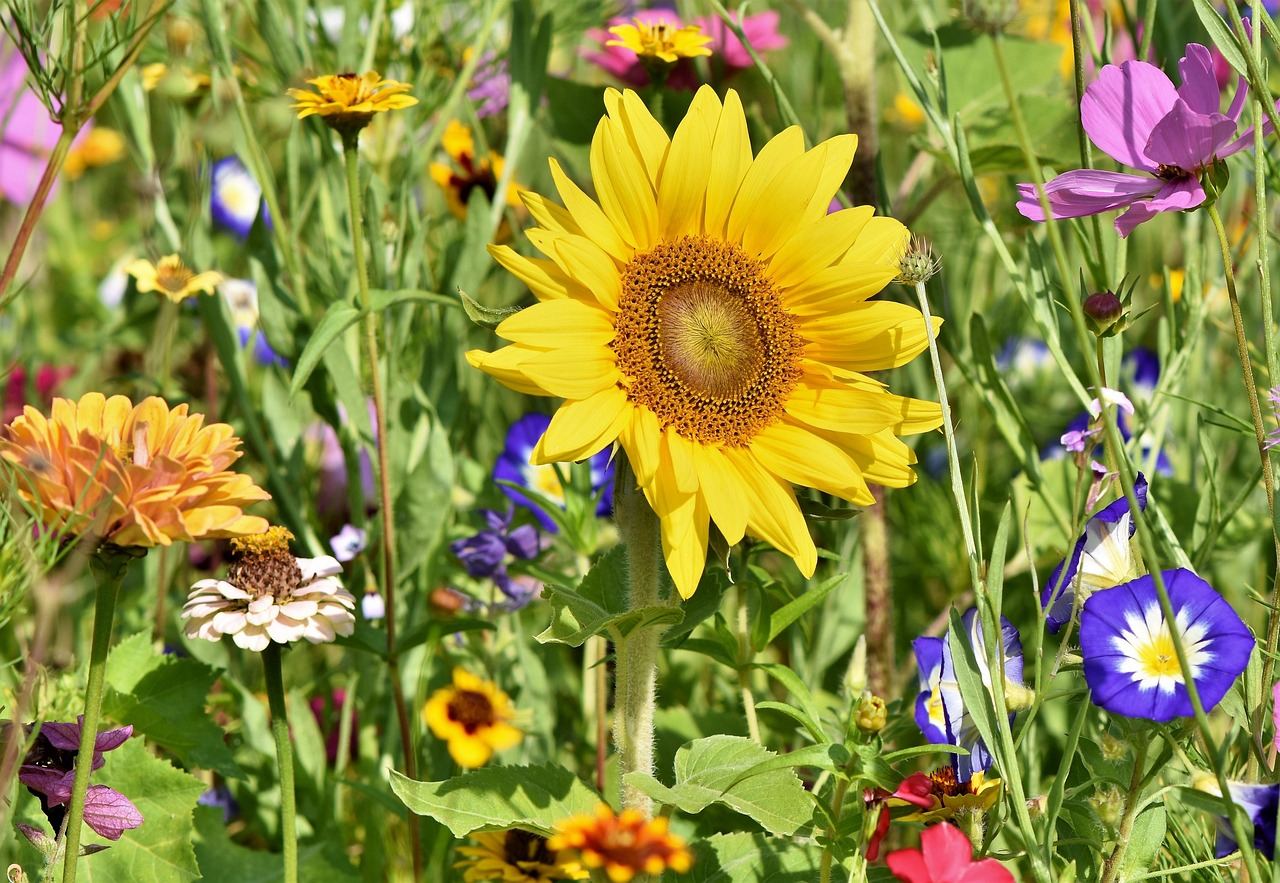
Most first-time flower gardeners treat it like a passive hobby, but true success means mastering bloom sequences and soil management for a vibrant year-round display.
Learning flower gardening as a beginner involves selecting vibrant blooms that will thrive in your space. You pick the right plants, prepare the soil, and manage conditions to see each season's flowers flourish.
Unlike vegetable gardening, the reward is purely visual. It's about enjoying a riot of color, delightful scents, and stunning structures as they come to life from the earth.
Flower gardening involves planning layouts, selecting plant varieties based on conditions and preferences, preparing garden beds by amending soil, planting seeds or seedlings, and maintaining plants through weeding, pruning, and adjusting soil conditions.
Engaging in flower gardening creates a sense of accomplishment through tangible results, fosters creativity in design choices, and offers therapeutic benefits from working with soil, which can alleviate feelings of boredom and isolation.
You assume flower gardening is what your grandmother did. Poke some seeds in, water occasionally, wait for something pretty to happen.
That assumption is why most first attempts look like a sad gas station bouquet by August.
Flower gardening is a system and not just a task. You're balancing soil chemistry, bloom timing, pest cycles, and light patterns. Every decision you make in March shows up in June.
Treating plant selection like decoration shopping is a common mistake. Pairing plants by bloom sequence separates a garden that thrives for weeks from one flourishing from April through frost.
A gardener in zone 6 who plants only peonies just gets six gorgeous weeks. But those who know what they're doing follow peonies with coneflowers, then black-eyed Susans, then sedums. The garden never falls silent because it's designed not to.
True, it's a workout – digging, dividing, and soil amending do take effort.
Start understanding the system, and it gets easier. That's exactly where we start next.
Planting seeds sounds simple, but reality is different. Expect wet soil, slow progress, and a lot of crouching. It's more physically demanding than it seems.
Your knees will protest and your hands will be covered in dirt. Gardening isn't as gentle as the videos show.
You'll start with a pile of seed packets and a vague plan. Initial confidence about having a green thumb will give way to confusion as you face numerous decisions without context.
Eventually, you'll have a tool you trust and a watering schedule forged in trial and error. You'll grasp the basics of soil pH. Some plants will thrive, others won't, and understanding why one died feels like progress.
Early on, you'll likely overcrowd your space, fooled by seed packet suggestions. Problems will surface, prompting long online searches. One plant will surprise you by thriving against the odds, giving you a glimpse of what makes gardening rewarding.
Understanding which plants can be sown directly and which prefer transplanting saves time and frustration. Moving plants like snapdragons or larkspur after germination often leads to starting over.
You'll feel anxious when nothing appears to grow, and checking constantly only worsens the situation. Germination can take 10 to 21 days, and patience prevents harm.
Experienced gardeners don't automatically have more patience. They learned the hard way that waiting is essential. Next, we'll tackle common beginner mistakes and how to avoid them.
When to start: Early morning
Duration: 1.5 hours
Cost to try: $20
Success criteria: If you planted seeds in a sunny bed, watered them thoroughly, and marked the spot with notes for next time, do session 2.
Gardeners often focus on beautiful flowers, ending with gardens that peak in June and fade by July.
Ignoring soil prep leads to flower failures due to compacted, nutrient-poor dirt.
Handy schedules betray new gardeners by leading to overwatering and rotting roots.
Annuals lure shoppers with quick results but require annual replanting, unlike versatile perennials.
Plants view dead blooms as a sign to focus energy on seed production, halting more flowers.
Gardening takes place wherever you have a bit of soil, sunlight, and a container. Backyards, community gardens, balconies, and patios all work.
A single pot on a windowsill can kickstart your gardening journey. It's not just a fallback; it's a real beginning.
Introduce yourself as a first-season gardener. Ask what they wish they'd known from the start.
That question nets you a 20-minute chat, a plant cutting, and a name remembered – every time.
This is growing entirely in pots, window boxes, or raised planters.
Perfect for renters or anyone with a patio instead of a yard.
Control soil quality and drainage from day one.
Focus on production, not garden aesthetics.
Ideal for growing zinnias, dahlias, and sunflowers to harvest and enjoy indoors.
Plant what you love but expect slightly higher costs for specialty seeds or tubers.
Native plants mean less work in the long run.
Indigenous plants require less water, fewer pest controls, and almost no intervention after they're established.
Great for those who enjoy flowers without the constant upkeep.
The charm of imperfection is your friend here.
Cottage gardens are informal, densely planted, and forgiving for beginners.
Start with this style if the pressure of 'getting it right' stresses you out.
Bulb gardening is low-maintenance with delayed rewards.
Plant bulbs like tulips and daffodils in the fall; enjoy blooms in spring.
Ideal if you can't commit to regular watering or deadheading.
Wildflower Gardening lives in the same world — different mechanics, similar appeal.
If this resonates, Succulent Gardening explores a similar direction.
Container Gardening lives in the same world — different mechanics, similar appeal.
Most beginners obsess over which flowers to buy. But the real bottleneck is reading your soil and light before you plant anything.
Site assessment is the key to success. Stand in your garden at different times of day. Track where sun falls. Find where water pools after rain. Check if your soil drains or just sits wet.
Most people skip this step and pay the price later.
Know your site, and you match plants to conditions. Avoid imposing conditions on plants.
Skip this, and you'll keep buying doomed flowers. You'll blame your green thumb when it's really the six hours of afternoon shade you missed.
Two sessions a week for 30 days is ideal. This lets you plant something, observe it respond, and reach a decision point: is this still enticing or was it just the allure of seed packets?
If you're finding excuses to step outside more often, checking on plants beyond your sessions, or buying extra supplies "just to try," you're in it. This isn't just restlessness; it's the hobby pulling you in. Now's the time to start a second bed and think about a seasonal rotation plan.
If you completed eight sessions but feel indifferent, that's not the end. It often means you haven't met the right plant. Add four more sessions with faster payoffs, such as zinnias or sunflowers, for more immediate results.
If each session felt like an obligation, take that as your answer. Enjoying the idea of gardening doesn't mean you'll enjoy the dirt and routine. If the reality doesn't land with you, more sessions won't change that.
You're not officially gardening yet, but every flower you pass catches your eye. That's it. Your interest is blooming in the background. That's a clear signal your brain is gearing up for the hobby.
Sometimes you just need something for the next ten minutes — that's what things to do when bored is for.
Most flowers take 6–12 weeks from seed to blooming plant, depending on the variety. Some fast-growing flowers like zinnias bloom in as little as 4–6 weeks, while perennials may take a full year to establish before flowering. Starting seeds indoors in early spring gives you a head start for summer blooms.
Begin with low-maintenance flowers like marigolds, sunflowers, or daisies that tolerate varied conditions and don't require expert care. Start with a small garden bed or containers, prepare soil with compost, and plant in spring or fall depending on your climate. Focus on one or two varieties until you feel confident, then expand your selection.
You can start flower gardening with as little as a single pot or window box—even a 4x4 foot raised bed provides plenty of room for a colorful display. Container gardening on patios or balconies is a great option if you lack yard space. The size depends on your goals, but even small spaces can create a vibrant, pollinator-friendly garden.
Basic flower gardening can cost as little as $30–$50 to begin with seeds, soil, and a few hand tools. Growing from seeds is far cheaper than buying mature plants, and costs increase only as you expand your garden or invest in premium supplies. Recycled containers and free mulch from yard waste can significantly reduce startup expenses.
Planting timing depends on your climate zone, but spring (March–May) and fall (August–October) are ideal for most regions. Cool-season flowers like pansies thrive in fall and early spring, while warm-season annuals flourish after the last frost date. Check your local frost calendar to determine the best planting window for your area.
Yes—plant native flowers like coneflowers, zinnias, and black-eyed Susans to attract bees, butterflies, and hummingbirds. Avoid pesticides, provide water sources, and plant flowers that bloom at different times to support pollinators throughout the season. A diverse, chemical-free garden naturally becomes a thriving ecosystem.