BoredomBusted — Find Your Next Favorite Thing To Do
Discover hobbies, activities, places, and ideas that spark joy. Whether you're looking for something creative, active, social, or relaxing, BoredomBusted helps you find your next favorite thing to do.
Browse our hobby guides, things-to-do collections, and place ideas to never be bored again.
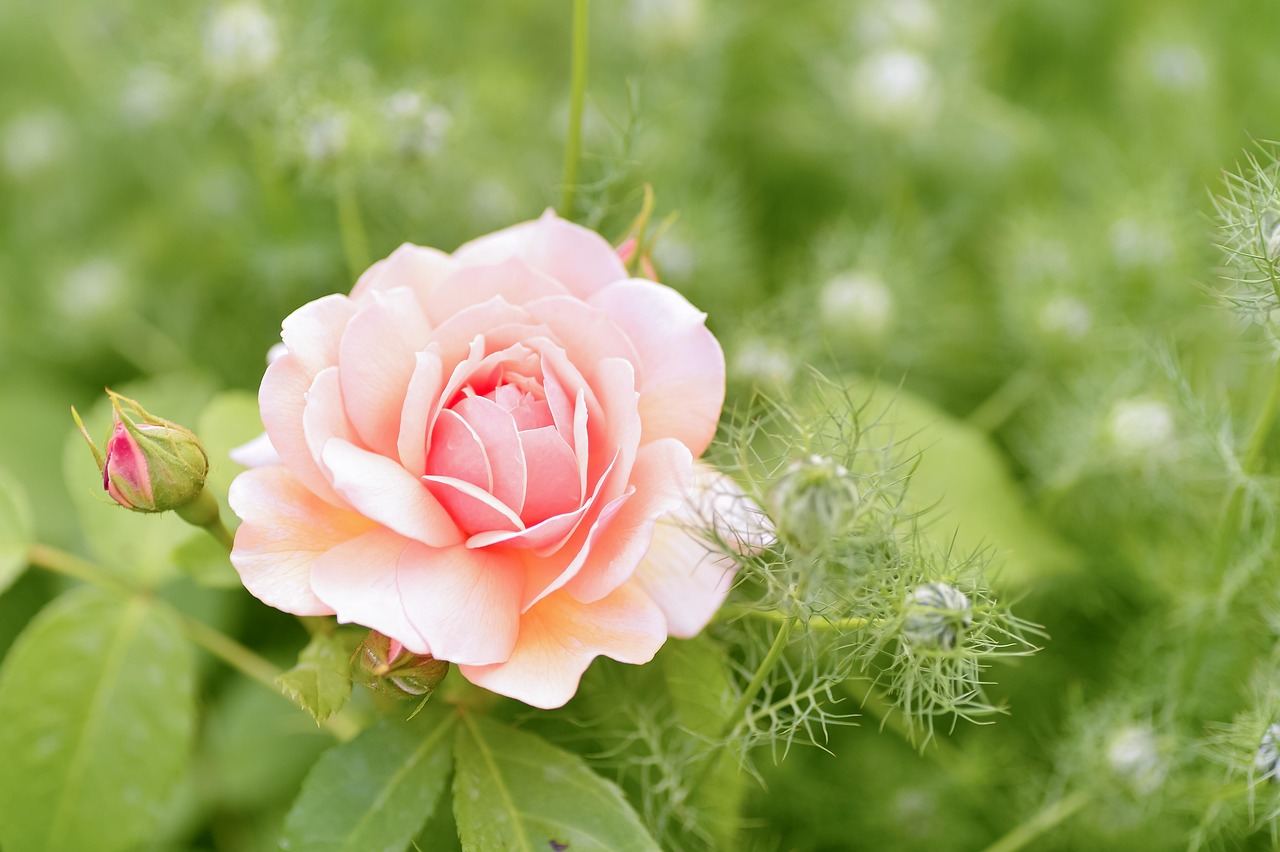
Most homeowners plant based on preference, but real landscaping taps into nature's forces and creates solutions for outdoor problems like erosion.
Getting started with landscaping as a beginner involves understanding how to design and maintain outdoor spaces effectively, focusing on arrangements of plants, soil, and structures.
You manage a living system that evolves with the seasons, requiring planning and planting.
Unlike gardening that focuses just on plants, landscaping considers the whole outdoor space, including terrain and hardscape. Everything must work together visually and functionally.
In landscaping, you design and maintain outdoor spaces by arranging plants, creating raised beds, and installing hardscapes, which involves digging, planting, weeding, and watering. You personalize your yard by choosing plants that thrive in your environment, using hands-on tasks like bending and reaching to create aesthetically pleasing and functional areas, often collaborating with others in co…
Landscaping combats boredom through a sense of accomplishment as you nurture plants to maturity and witness tangible progress in your outdoor space. This hobby fosters creative expression in designing unique layouts and offers immediate feedback from your physical efforts, creating a flow state through immersive tasks that engage both your body and mind.
You think landscaping means mowing the lawn and planting a few flowers. That's just yard maintenance. Real landscaping is the design thinking behind it.
Imagine your neighbor plants three arborvitae by the fence and considers it done. A landscaper would notice the shadows that fence casts and opt for shade-tolerant grasses to soften the area and prevent spring mud issues.
Same budget. Different result. Because one person thought through why first.
The gap between "doing yard work" and "landscaping" is just intention. Once you start seeing these systems, you can't unsee them.
Get ready to rethink your own outdoor space. That's what's coming up next.
Standing in your yard for the first time with a shovel feels different than you imagined. Confidence from watching videos vanishes as reality sets in. You see neat mulched beds in your mind, but the ground in front of you is uneven and stubborn.
Sore forearms are the norm by hour two. The plants that seemed perfect at the nursery look misplaced once planted. The plan that made sense on paper meets real soil and wavers. One part of the yard looks great, only to reveal other problem areas.
Quitting may feel appealing by week two. Muscle memory sets in, but constant decisions about plant placement tire you out. A plant struggles, and you can't tell if it's dying or adjusting. This phase demands patience over skill.
Landscaping compounds over time. Ugly yards don't stay ugly once you start making regular decisions. But don't underestimate your soil. Your soil type dictates everything from watering to plant choice. Before buying plants, invest $4 in a soil test kit to avoid months of misguided fixes.
When to start: Early morning
Duration: 1.5 hours
Cost to try: $10
Success criteria: If you finish with a sketched garden bed layout and at least 3 seeds or seedlings planted in the marked spots, do session 2.
Your morning-sunny garden bed might turn shady by noon. Most beginners don't realize this until their plants struggle.
Walk your yard at different times: 9am, noon, and 3pm. Do this for three days to learn where sunlight hits before buying plants.
Choosing plants is exciting, so testing soil gets skipped. But this leads to plants struggling in the wrong pH.
Spend $15 on a soil test first. Amend the soil appropriately before planting anything.
Those small seedlings trick you into thinking tags overestimate space needs. But crowded plants stress each other out.
Follow the mature spacing on plant tags. Tight planting leads to competition and disease.
Watering schedules feel organized, but they're misleading. The soil's actual moisture level is what matters.
Push your finger two inches into the soil. If it's still moist, skip watering to prevent root rot.
The dream of a perfect yard often leads to over-planning without testing. Real growth needs real feedback.
Finish one 4x8 bed first. Plant, edge, and mulch before starting another to see what works.
Start with your backyard or a small garden plot. It's the easiest way to try things out without pressure.
Step up your game by joining a local group.
Contact community garden groups on Facebook. They often schedule weekend workdays where you can jump in and learn by doing.
Mention you're new. They'll likely pair you with someone experienced.
Most groups need the help, and they'll teach you quickly to keep you involved.
Hardscaping puts features first and plants second. Patios, paths, and stone elements set the stage, with greenery as accents.
This is for you if you prefer a clean look with minimal upkeep.
Budget $500–$2,000+ depending on materials.
Indigenous plants require less water and fewer chemicals. Local wildlife pops in, creating an ecosystem in your yard.
Great choice for those seeking low maintenance with natural beauty.
Japanese gardens embody balance, negative space, and symbolism. Gravel, moss, and stone are artfully arranged.
This style fits those who savor the planning and Zen-like precision.
Time and patience are your biggest investments here.
Fruit trees, herbs, and vegetables replace ornamentals. Part garden, part grocery store.
Combines aesthetics with function. Yields are part of the reward.
Xeriscaping thrives in drought-prone areas. No irrigation needed, playing to the strengths of dry climates.
Ideal for regions like the American Southwest or Mediterranean areas where water bills soar.
Car Camping lives in the same world — different mechanics, similar appeal.
A close neighbor worth considering: Wildflower Gardening.
Some of the same instincts show up in Flower Gardening — worth a look if this clicked.
Most beginners obsess over plant selection. Hours spent picking the right flowers, shrubs, and trees don't solve one key issue.
The yard keeps looking 'off' because they're decorating, not designing.
Understanding grade and sight lines is the real skill. It's knowing how land's slope, elevation, and natural eye paths dictate placement before planting.
A retaining wall isn't just functional, it's a frame. Stand at your front door, driveway, or back patio, and trace where your eye naturally goes; design follows that path.
Knowing grade means drainage problems aren't surprises but choices. Without it, your perfect garden might drown or visually clash due to lack of focus.
Create your inviting space by reading the land, not just planting on it.
Commit to 8 sessions over 30 days — about twice a week, each lasting 45–60 minutes. This frequency is crucial because landscaping rewards consistency over intensity. A single long Saturday won't reveal much, but multiple shorter sessions show how you really feel once the novelty fades.
If you're eager for the next task before finishing the first, you're onto something. Start by scribbling down your plans in a simple sketchbook. Upgrading tools can wait.
If after eight sessions you feel indifferent, treat it as valuable information. Consider trying a small, manageable project to see if that changes how you feel — something you can complete in under an hour.
If you dread each session and begrudge the dirt and sweat, this may not be your thing. It's honest to prefer the idea over the work involved.
The unmistakable sign? You start noticing other people's yards, analyzing what's well-kept or wild, and why certain gardens give off particular vibes.
For a wider menu of options, see our list of hobbies.
When you don't want to commit, things to do when bored is a better starting point.
Initial costs depend on your yard size and scope, but you can start with $200–$500 for basic tools (shovel, pruners, rake) and plants. Many beginners begin with small garden beds or container plants to keep costs low, then expand as skills and budget grow.
Most plants show visible growth within 4–8 weeks during their growing season, though a fully established garden typically takes 1–2 years to mature. Quick-win projects like mulched beds or seasonal flowers can deliver instant curb appeal.
You don't need any prior experience—basic gardening knowledge about soil, sunlight, and watering is enough to begin. Most landscapers learn through hands-on practice, online tutorials, and local nursery advice as they tackle projects.
Landscaping has a gentle learning curve; starting with hardy plants and simple designs makes it very beginner-friendly. Physical effort varies by project size, but most tasks are manageable at your own pace without special athleticism.
Weekly maintenance typically takes 1–3 hours depending on yard size and season, including watering, weeding, and pruning. New projects and installations can take longer, but routine upkeep becomes quicker as your garden matures.
Landscaping focuses on overall yard design, layout, and hardscape features like pathways and borders, while gardening emphasizes growing plants. Many landscaping hobbyists combine both to create functional and beautiful outdoor spaces.