BoredomBusted — Find Your Next Favorite Thing To Do
Discover hobbies, activities, places, and ideas that spark joy. Whether you're looking for something creative, active, social, or relaxing, BoredomBusted helps you find your next favorite thing to do.
Browse our hobby guides, things-to-do collections, and place ideas to never be bored again.
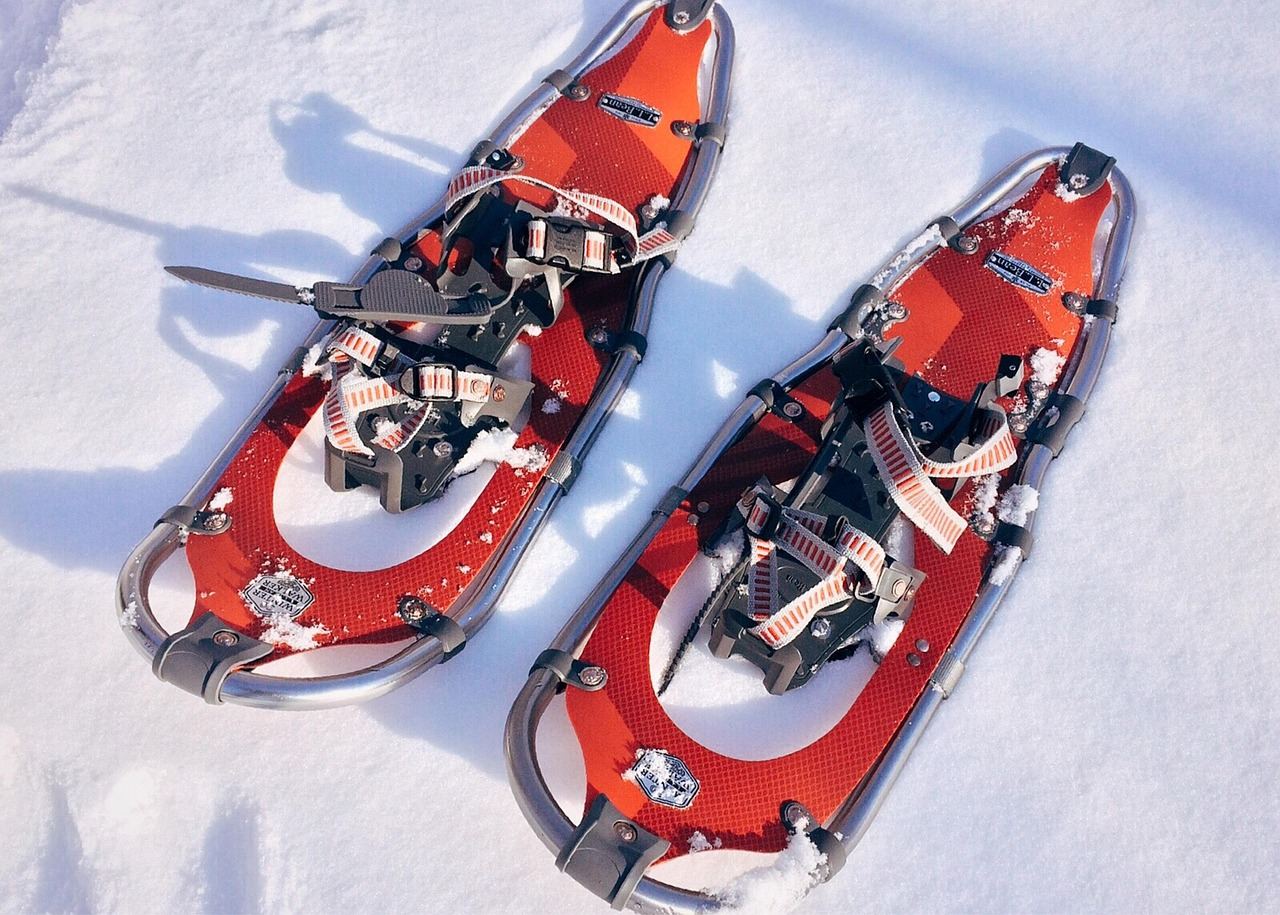
Snowshoeing is more than hiking in the snow — it’s a workout that engages hidden muscles and offers profound silence found nowhere else.
Getting started with snowshoeing as a beginner opens up a whole new world of winter exploration that allows you to traverse snowy landscapes with ease. Snowshoeing means strapping wide, flat frames to your boots and walking across snow that would otherwise swallow you whole.
The large surface area distributes your weight so you float instead of sink.
Unlike skiing or snowboarding, there's no learning curve – if you can walk, you can snowshoe within minutes of starting.
Snowshoeing involves strapping wide-framed snowshoes to your boots and walking or hiking over deep snow, using poles for balance and engaging various muscle groups. You adapt your strides based on terrain conditions, such as kicking into powdery snow for ascent or edging sideways for stability on slopes, and you learn techniques to break trail in fresh snow, all of which requires physical effort …
Snowshoeing combats boredom through novelty in changing snow conditions and terrain challenges, fostering a sense of accomplishment with tangible progress markers. The activity promotes skill feedback loops as you refine your techniques, and it provides opportunities for social belonging in group settings, all while immersing you in the quiet serenity of winter landscapes that encourage mental re…
You assume snowshoeing is just hiking with odd footwear. Slow, uneventful, and a fallback when snow covers your favorite trails.
Missing out on the unique workout and serenity of winter landscapes is what this assumption costs you.
Unseen stabilizer muscles come into play when you're navigating different snow types that constantly challenge your balance.
It's not the same when you're padding through a groomed loop at a ski resort.
Real snowshoeing happens on untouched hillsides. The sense of discovery, plowing through knee-deep powder, and feeling your lungs burn all redefine your experience quickly.
The silence of winter wilderness surrounds you, a quiet deeper than any other season. This silence is essential, not incidental.
Now let's talk gear – another big misconception that needs correcting.
Watching someone snowshoe seems like a quiet winter walk. Big footwear, slow steps, easygoing day. But once you strap in, your legs might disagree with that assessment.
What looks like a relaxing hike can turn into a quad workout uphill. Unexpectedly wide stances and poles doing the job you didn't think they'd need to. Snow that behaves more like a trapdoor than a cushion.
Initially, the gear takes all your attention. Each step is a brain teaser with snowshoes. As the second week rolls in, the gait becomes familiar, but your hip flexors still protest the new movements at night.
Attempting a tougher path in week three makes one thing clear: dense snow and fluffy powder are not the same game. By week four, downhill stops feeling like maintenance and starts to feel like real progress.
Feeling heavy legs, chilled fingers, and a half-mile that drags on forever can make you question the whole aim. But that's right before your body starts cooperating.
Master kick-stepping on slopes before climbing the real deal. It lets the crampons grip the slope before you push off. Beginners who skip this struggle, slipping back every few steps. It's not dangerous, but it is a confidence crusher that might sour the day.
When to start: Morning
Duration: 1.5 hours
Cost to try: $20 (for rental equipment)
Success criteria: If you completed a 1.5-hour beginner trail loop with snug snowshoes and no boots or poles slipping, do session 2.
Layering feels intuitive, so beginners grab whatever's warm. Cotton seems warm until it gets wet. Swap every base layer to merino wool or synthetic; cotton holds sweat against your skin and drops your core temperature fast on any trail longer than 30 minutes.
It feels secure, which is exactly why it seems right. Cutting circulation kills warmth in your toes quickly. Tighten until the snowshoe doesn't rotate independently on your foot, then back off one click – your heel should lift freely with each step, not pull the whole frame.
Every sizing chart you find defaults to foot size, so beginners stop there. Match frame size to your total packed weight – your body plus your pack – because flotation is what the frame is actually doing, and undersizing means sinking and dragging on every step.
Flat-terrain snowshoes look identical to most beginners. The difference isn't obvious until you're sliding backward on a slope. Before you buy or rent, check the crampon count under the binding – hilly terrain needs aggressive heel and toe crampons, not just a center rail.
Instinct says push forward. Snowshoeing uphill says don't. Shorten your stride and kick the toe of the frame into the slope before shifting your weight – full strides on an incline roll the frame sideways and send you onto one knee, every time.
Trails, national parks, ski resorts, and state forests are all great spots for snowshoeing. You just need packed or untracked snow and a path wide enough to walk.
Checking Meetup.com for snowshoeing in your city or region is a strong starting point. Many active groups post weekly outings here during winter.
Another option is asking REI directly. They run structured outings on most winter weekends, perfect for beginners.
For a database of trails and reviews mentioning guided groups, Snowshoeing.com is the place to go. Search for mentions of local clubs to find more options.
Social media is your friend too. Type "[your state] snowshoers" into Facebook Groups and see what pops up. These groups often cater to beginners and love to share advice.
The US Snowshoe Association (USSSA) lists clubs by state. Although they're more about racing, they offer a more organized setting than casual meetups.
Let the outing organizer know it's your first time. They'll ensure a comfortable pace, check your gear, and point out tricky trail parts before you hit them.
Snowshoeing isn't one-size-fits-all. Discover which style suits you best.
Perfect for beginners on flat or gently rolling terrain. No special skills or gear needed. Common parks and groomed trails await. Standard rental snowshoes suffice if you're just starting out.
Backcountry snowshoeing is for those who crave unmarked paths. Expect uneven, steep terrain and the need for fitness, navigation skills, and advanced gear. Aggressive crampons and heel lifts help tackle this terrain.
Snowshoe running offers a more intense workout compared to regular trail running. Ideal for runners wanting to maintain fitness through winter. Snow-running races demand specialized, lighter, and narrower snowshoes.
Snowshoe mountaineering is a hybrid of snowshoeing and alpine climbing. It's about using snowshoes for high-altitude approaches. Switching to crampons is typical for technical sections.
Designed for seasoned mountaineers, not beginners. Costs escalate when mountaineering boots and ice axes join your kit.
Night snowshoeing keeps the gear and terrain the same but adds the thrill of darkness. Outfitted with a headlamp, the familiar becomes strikingly different.
Perfect for seasoned day hikers seeking novelty without additional gear. A reliable headlamp is your only new companion.
If the texture of this appeals to you, Backcountry Skiing is built on similar bones.
Readers who enjoy this often gravitate toward Splitboarding next.
Some of the same instincts show up in Sea Kayaking — worth a look if this clicked.
Most beginners mistakenly think that deep snow requires lifting their feet higher. That misconception drains their energy quickly.
The real lever is weight distribution, specifically learning to roll your stride heel-to-toe instead of stomping flat-footed step by step.
Flat-footed stomping works against the natural flex of the snowshoe, stopping your momentum with every step.
Master the active weight shift, deliberately load your heel first, then roll to your toe. This lets the snowshoe's frame do its job.
With a proper heel-to-toe roll, the snowshoe compresses and springs a bit. This gives you forward momentum instead of stopping dead in your tracks.
Without it, you're just lifting a weighted platform from a dead standstill over and over. That's why your quads feel destroyed after a couple of miles, while experienced snowshoers appear to just stroll along.
Slow down on flat packed snow. Try moving at half your normal pace to train your body: "heel... roll... toe." This exaggerated practice speeds up the learning process.
Four sessions over 30 days. One session per week lets your body adapt – snowshoeing works muscles hiking doesn't. Speeding up only causes fatigue without useful insights.
If you're eager to head back out, that eagerness is the hobby taking root. Look into gear you'd actually buy, and aim for trails tougher than any you've tried so far.
If you completed each session with indifference, it's information, not failure. Outdoor winter activities often click better socially – try a group outing to see if that reshapes your experience.
If the sessions felt like a countdown to the car, accept it as clear feedback. This isn't about fitness or equipment. Some just don't enjoy slow progress in the cold, and that's perfectly fine.
Finding yourself browsing trail conditions in places you can't even get to – that's the hobby's grip on you. That casual curiosity about far-off snow levels means it's already got you hooked.
For quicker fixes, see our roundup of things to do when you're bored.
Quality recreational snowshoes typically range from $150 to $400, depending on brand and materials. If you're just starting out, you can rent snowshoes for $15–$30 per day at most winter resorts and outdoor shops, making it easy to try before investing in your own pair.
Snowshoeing is best from December through March when snow conditions are most reliable and trail systems are well-maintained. Early morning and mid-week outings typically offer quieter trails and better traction on packed snow.
You don't need to be extremely fit to begin snowshoeing, but it's more demanding than walking on bare ground because you're moving through snow. Starting with easy, flat trails and gradually working up to longer distances helps you build endurance naturally.
Beginner trips typically last 1–2 hours, covering 2–4 miles at a relaxed pace. As you gain experience and fitness, you can tackle longer 3–4 hour outings or more challenging terrain.
Beyond snowshoes, wear insulated waterproof boots, warm layers, a winter jacket, hat, gloves, and sun protection like sunglasses and sunscreen. Trekking poles are optional but helpful for balance and reducing leg fatigue on steep sections.
Snowshoeing has virtually no learning curve—most people can walk naturally in snowshoes within minutes. The main adjustment is the slightly wider gait and extra weight, but both feel intuitive immediately.