BoredomBusted — Find Your Next Favorite Thing To Do
Discover hobbies, activities, places, and ideas that spark joy. Whether you're looking for something creative, active, social, or relaxing, BoredomBusted helps you find your next favorite thing to do.
Browse our hobby guides, things-to-do collections, and place ideas to never be bored again.
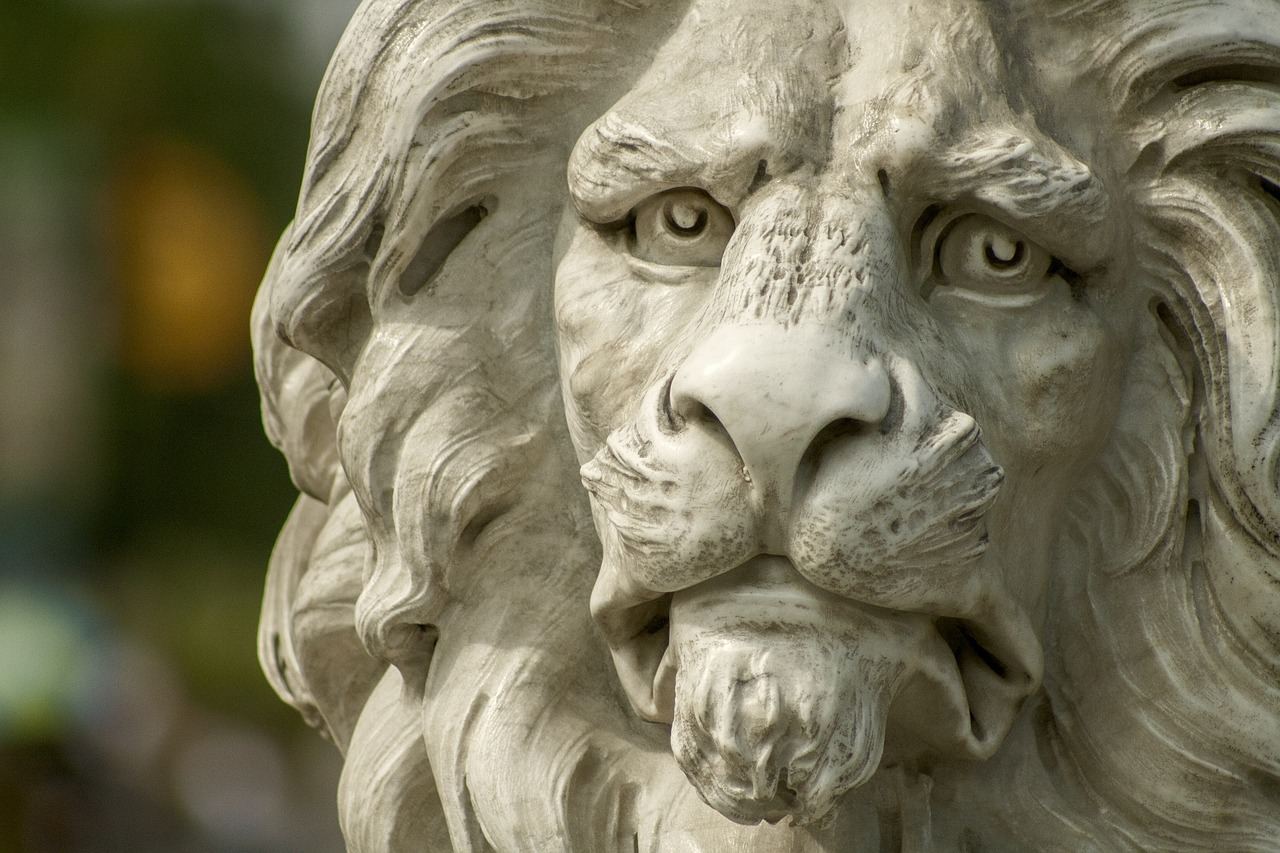
Think stone sculpture needs a studio and years of training? It's actually just you, a $12 soapstone, and some woodworking tools—get ready to let the stone guide you.
Learning stone sculpture as a beginner involves understanding the tools and techniques required to transform raw rock into stunning three-dimensional art. Stone sculpture is the practice of shaping rock — marble, limestone, soapstone, granite — into three-dimensional forms by removing material you can never put back.
You cut, carve, grind, and refine until the form emerges.
Unlike clay or wood, stone doesn't forgive mistakes — every chisel strike is permanent, which makes the focus required unlike any other carving hobby.
In stone sculpture, you engage in hands-on material removal from raw stone blocks using tools like chisels and hammers, shaping the stone through repetitive striking, grinding, and refining techniques to create detailed forms and figures.
This hobby induces a flow state by demanding full concentration as you balance precision strikes with stone resistance, while immediate skill feedback from each alteration of the stone provides a sense of accomplishment and tangible progress through iterative trial-and-error.
You think stone sculpture is for art school graduates with expensive studio space. You picture a sculptor in a dusty smock, chiseling a marble torso for three years.
That picture is wrong — and it's the thing stopping you from trying.
Soft stones like soapstone and alabaster cut with woodworking tools you might already own. No pneumatic hammer. No industrial setup. The learning curve is tactile, not technical — your hands figure it out faster than your brain does, which makes the first session weirdly encouraging.
A retired teacher in Ohio started with a $12 piece of soapstone and a rasp from a hardware store. Six weeks later she had a small abstract fish, carved on her kitchen table covered in an old sheet.
No studio.
No training.
No vision going in — sculptors routinely let the stone's existing cracks, color shifts, and natural contours suggest the form, and so did she.
The real question isn't whether you can do this. It's what tools actually get you started — and that list is shorter than you're assuming.
Watching someone carve stone looks surgical — controlled, deliberate, almost meditative. Then you pick up a chisel and the stone goes exactly where it wants, not where you planned. That gap between watching and doing is the first thing you need to make peace with.
Your first session is mostly dust and surprises. You'll remove material faster than expected and slower than you want, simultaneously. The chip you didn't intend — the one you can't put back — is usually what teaches you more than any clean cut does.
By week two or three, you'll land your first intentional line and realize control is possible — just not automatic. Then you'll overwork a section trying to fix it, and discover that stone doesn't forgive the way clay does. Stone keeps score permanently, and that's exactly why finishing something means something.
Start with soapstone, not limestone or marble. It's soft enough that your tools actually cut rather than bounce. You'll spend your first session learning to read the stone instead of fighting it — and that's the difference between quitting early and making it to the moment something small starts to look like what you imagined. The next section covers the mistakes that delay that moment longer than they should.
When to start: Morning
Duration: 1.5 hours
Cost to try: $30
Success criteria: If you carved one clearly visible smooth curve or flat plane into the stone and your pencil outline is still readable, do session 2.
Marble's allure draws beginners first. But frustration soon follows: it fractures unpredictably and is unforgiving with every mistake.
Start with soapstone or limestone, which are soft enough that your chisel tells you what's happening before the stone does.
Many lock their grip in tense anticipation, especially when faced with unexpected resistance from the stone.
Loosen your thumb-side fingers and allow the chisel to pivot slightly on contact. A relaxed hand reads vibration, and that's how stone warns you it's about to split.
Stone isn't foam; it has unseen internal structures that newbies miss, applying equal pressure everywhere.
Before you make a single cut, wet the surface and watch how it dries unevenly. The slow-drying lines reveal your grain, which your chisel should follow.
Eager for quick results, beginners think carving is all about massive removal, hacking away in big swings.
Rough out your form by peeling away layers no deeper than 1cm per pass. The true shape is just beneath the surface, and you can't reattach stone once it's gone.
Smoothing the surface feels like progress. But without shape, it's just polishing a poor design.
Use a riffler rasp to resolve every curve and transition first. Move to sandpaper only when the form looks right in silhouette from all sides.
Stone sculpture happens in art studios, maker spaces, and sometimes community colleges with dedicated workshop space. You need ventilation, dust control, and room to make a mess – most garages and spare rooms don't qualify without serious prep.
Once you've found a group or studio, walk in saying you've never touched stone and want to learn safely before spending real money on material. That framing gets you a tool orientation and a material recommendation that won't eat your budget.
It also tends to produce a mentor. Most studios have someone who's been carving for twenty years and genuinely enjoys showing beginners what not to do first.
Soapstone is soft enough to cut with a kitchen knife. Best for anyone just starting out who wants real results fast — not after a semester of practice.
You skip the angle grinders and heavy dust management that harder stone demands. A basic soapstone kit runs $30–$60, versus hundreds for granite or marble setups.
Limestone sits in the middle — harder than soapstone, softer than marble. It carves cleanly and holds detail well, which makes it a natural next step.
Best for beginners ready to graduate from soapstone without committing to the full difficulty spike of marble.
This is the classic. It's also unforgiving — one wrong strike and you've cracked something that took hours. Best for sculptors who've already built real control with softer stone and want the material that rewards precision.
Expect higher tool costs and a serious dust respirator. Marble dust is no joke.
Instead of sculpting in the round, you carve into a flat stone surface — the image emerges from the background like a bas-relief panel. Easier to control than full 3D sculpture because you're only working one face.
Best for people drawn to detailed, image-based work rather than freestanding forms.
Alabaster is soft, translucent, and gorgeous when finished — it practically glows with backlighting. It's also brittle, so thick tools and heavy hands will crack it.
Best for sculptors who prioritize surface beauty and are willing to work slowly and carefully.
Wire Sculpture is a sibling pursuit and often surfaces the same kind of curiosity.
Another variant that pulls from the same roots is Ice Sculpture.
For something adjacent, see Clay Sculpture.
Grain reading is the skill that truly transforms your carving.
Beginners often blame dull tools or stubborn stone for their struggles. It's not the material. It's your hands misunderstanding it.
Feeling the stone's internal structure, its grain, is crucial. Each stone has a natural direction to split, like a secret map.
Work with the grain, and the stone cooperates. Oppose it, and you're just causing damage.
Once you grasp this skill, undercutting and spalling mishaps drastically reduce. Without it, you'll keep blaming angles and weights instead of understanding stone's natural inclinations.
Commit to 6 sessions over 30 days – roughly one every five days.
That spacing matters. Stone sculpture requires muscle memory, and you need enough recovery time between sessions to notice what changed, not just grind through repetition.
You're already thinking about the next cut before the current one dries. The resistance of the stone and its slow reveal has captured you. Buy a better chisel set and find a local stoneworking group or class.
The solo path is possible, but your progress will double with someone watching your technique.
You finished the sessions, the results were fine, but you didn't think about it in between. That lack of pull means the process isn't rewarding for you.
Try one more project with a harder stone and a more defined goal. If the indifference holds, you have your answer.
Every session felt like a push, not just a bad day. Consistent resistance to starting is telling.
Stone sculpture demands a love for its friction, and if it just feels like friction,
this isn't a mismatch with discipline, it's a mismatch with the medium.
You're stopping at stone walls, hardware store aggregates, and gravel paths. Noticing the structure inside the surface shows your instinct for reading stone before touching it – exactly what this craft runs on.
Looking for something lighter? Our boredom-busters guide is built for exactly that.
Beginning stone sculptors typically need a hammer, chisels (in various sizes), a mallet, safety goggles, and work gloves. For your first project, you can start with just a few basic tools and affordable stone like soapstone or limestone, then expand your toolkit as you develop your skills and work with harder materials.
Most beginners can grasp fundamental carving techniques within 4–8 weeks of regular practice, though developing true proficiency takes months or years. The learning curve depends on your natural aptitude, how frequently you practice, and whether you take lessons or learn independently.
A basic starter toolkit costs $50–$150, and stone materials range from $20–$100+ per piece depending on type and size. Your initial investment can be modest, but ongoing costs for quality tools, protective gear, and premium stone will grow as your projects become more ambitious.
Yes, stone sculpture requires significant physical strength and endurance, especially when working with harder materials like granite or marble. However, softer stones like soapstone are accessible to beginners and people with varying fitness levels, making it possible to start gently and build strength over time.
Soapstone and limestone are ideal for beginners because they're soft, easy to carve, forgiving of mistakes, and affordable. Avoid hard stones like granite or marble initially, as they require advanced technique, specialized tools, and greater physical exertion.
Yes, you can sculpture at home with proper safety measures, though you'll need a dedicated workspace, good ventilation, and eye/ear protection due to dust and noise. Many sculptors start in a garage, basement, or outdoor area, though dedicated studios or community workshops offer additional resources and equipment.