BoredomBusted — Find Your Next Favorite Thing To Do
Discover hobbies, activities, places, and ideas that spark joy. Whether you're looking for something creative, active, social, or relaxing, BoredomBusted helps you find your next favorite thing to do.
Browse our hobby guides, things-to-do collections, and place ideas to never be bored again.
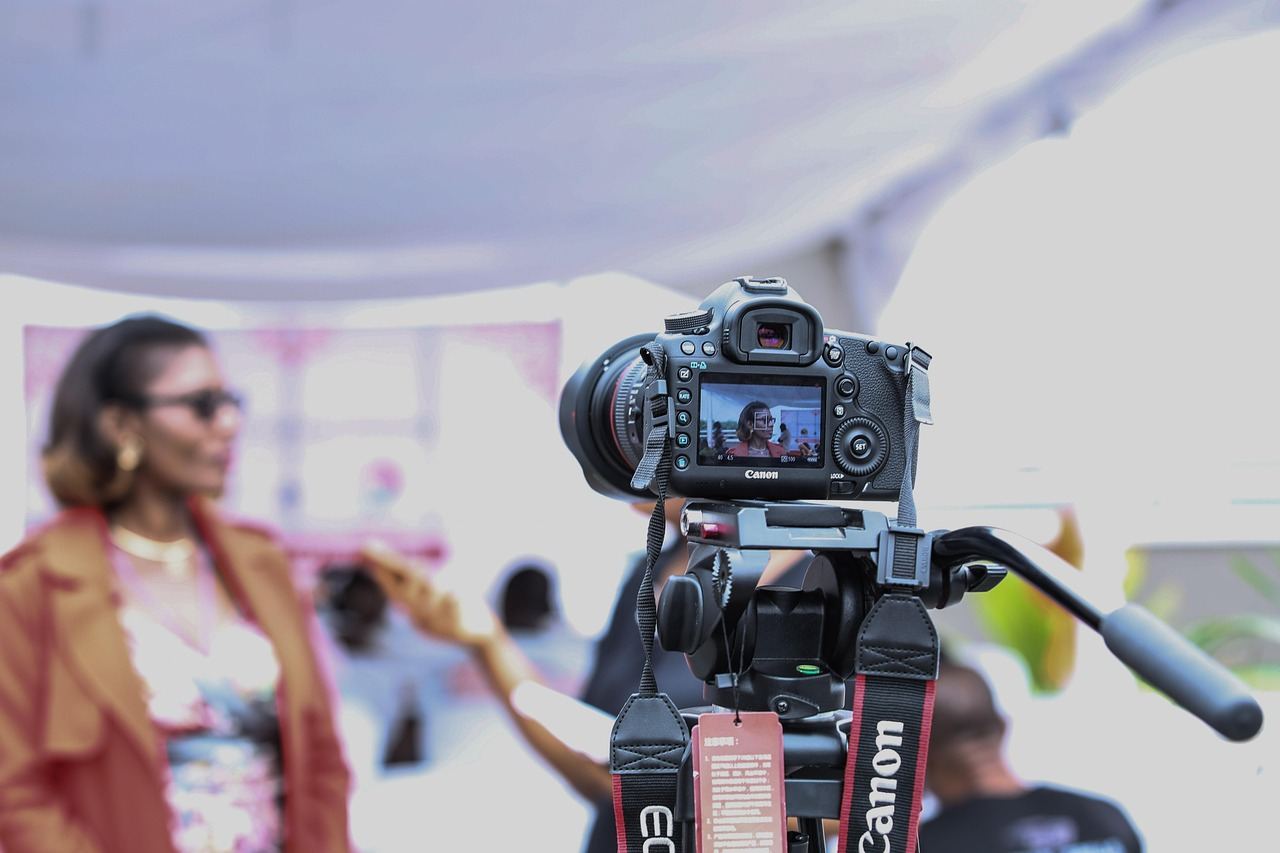
Bad footage doesn’t stem from cheap gear — it's from not clarifying your story first; even an iPhone 11 can win awards if used well.
Learning videography as a beginner involves understanding how to capture moving images in a way that brings your creative vision to life. Videography is the practice of capturing moving images – planned, shot, and edited into a finished piece you made on purpose.
Unlike casual filming, it involves decisions about framing, light, and sound before you ever press record.
That intentionality is what separates it from photography (still moments) and filmmaking (crew-dependent production).
In videography, hobbyists engage in hands-on filming and editing by setting up cameras and lights, directing scenes, and capturing footage of everyday moments or creative projects, followed by reviewing and editing the clips to craft polished, narrative-driven videos.
Videography fosters a flow state through the challenges of capturing and editing, providing immediate feedback on skill improvements and a sense of accomplishment as hobbyists create unique narratives, making it a dynamic antidote to boredom.
You think videography is about having the right camera. Maybe a drone.
Maybe a gimbal that costs more than your last vacation.
That's the assumption – and it's the one that keeps people watching YouTube tutorials for six months instead of making anything.
A wedding videographer once shot an entire short film on an iPhone 11 – not as a gimmick, but because the story required moving fast through tight spaces.
The footage won a regional film festival. The judges didn't ask what camera he used.
The gear question matters eventually – but the composition question matters on day one, and that's where the next section starts.
Watching a travel montage or a short film makes it look effortless. Smooth movement, perfect light, music that fits like it was written for the footage. Then you pick up a camera and realize you've been watching the finished product of about forty decisions you didn't know existed.
Your first sessions will feel like controlled chaos. Shaky handheld footage, a tilted horizon in every shot, audio you can't save in post. The mess isn't failure — it's the actual curriculum. Every unusable clip is a decision you'll make correctly next time.
The gap between your footage and the videos that inspired you is going to feel massive. It will be. The people who close that gap aren't more talented — they stayed curious about what went wrong instead of just disappointed by it. That shift in attitude is what separates someone who improves from someone who quits after month one.
Shoot in manual mode from day one. Auto mode makes decisions for you that you won't understand and can't learn from. Feeling in control of a bad shot teaches you more than auto mode's good one ever will. The next section covers the specific mistakes that keep beginners stuck — and why most of them are avoidable from the start.
When to start: Morning
Duration: 2 hours
Cost to try: $10
Success criteria: If you shot 6 stable 30-second clips with 3 different angles and edited them into a rough 1-minute story, do session 2.
Cameras are designed to make auto mode feel safe – and it is, until you need any creative control at all.
Set your shutter speed to double your frame rate (shooting 24fps? Use 1/50s), lock it there, and learn just that one rule before touching anything else.
Video gear is visually exciting; a microphone is not, so beginners skip it and wonder why their footage feels amateur.
Bad audio kills good video – buy a $30 lav mic or a basic shotgun mic before you spend another dollar on lenses or lights.
Beginners equate movement with energy, but unmotivated camera movement just reads as nerves.
Force yourself to shoot one full take completely static. If it still needs movement, add it deliberately on the next take.
Fresh-out-of-the-edit confidence is a trap. Every cut feels right until you watch it back two days later with fresh ears and eyes.
Render a draft, sleep on it, and watch it once with headphones before the final export. The mistakes you missed will be obvious – and you'll catch them before your audience does.
Most beginners wait until a movement finishes to cut, which makes edits feel slow and deliberate in the wrong way.
Cut 2–3 frames into the motion – the moment someone starts sitting down, not after they've landed – and your timeline will feel twice as fluid.
Videography happens wherever life does – parks, streets, local events, community theaters, and your own living room.
See our outdoor spaces, community centers, and urban environments pages for location-specific shooting ideas.
There's no single national governing body for videography the way sports have one – the closest anchor is Film Independent, which serves independent filmmakers broadly and is worth bookmarking regardless of your level.
Walk in and say you're just starting out and want to watch or help on a shoot.
That one line usually gets you a crew position, someone handing you a reflector, and a fast-track education that no YouTube tutorial can replicate.
Documentary filmmaking means interviews, locations, narration — you're capturing the world as it exists. This demands planning and people skills far more than technical wizardry.
Best for anyone who finds real-world stories more compelling than staged ones. Budget climbs fast if you're traveling for footage or licensing music.
Short-form content for YouTube or social media means faster edits, tighter hooks, and audience feedback from day one. This is the best starting point for most beginners — the feedback loop is short and the bar to publish is low.
A phone and free editing software will get you surprisingly far here.
Cinematic and narrative filmmaking means writing scripts, directing actors, and obsessing over shot composition. The gap between vision and execution is steep — and humbling.
Best for people who already consume film critically, not casually. Gear costs spike quickly once you want that "film look."
Event videography — weddings, live shows — means one shot with no retakes. The pressure is real in a way most hobbyists underestimate.
Best for people who stay calm under pressure and like a finished deliverable with an obvious purpose. A decent mirrorless camera and stabilizer covers most entry-level gigs.
Drone videography produces footage that looks genuinely different — which is exactly why it's been overused. It adds real value to landscape and real estate work; it adds almost nothing to everything else.
Licensing requirements vary by country and are not optional. Budget $300–$800 for a drone that produces usable footage.
Readers who enjoy this often gravitate toward Cosplay Crafting next.
Readers who enjoy this often gravitate toward Costume Making next.
If the texture of this appeals to you, Car Restoration is built on similar bones.
The one skill that makes videography click is reading light before you shoot.
Most beginners obsess over gear – better camera, faster lens, smoother gimbal – and wonder why their footage still looks amateur. The gear isn't the problem. The eye is.
The skill is walking into any location and immediately clocking where the good light lives and where it dies. Hard midday sun overhead means flat faces and blown-out skies. Window light from the left is a soft, directional source you can build a whole shot around.
This decision happens in 30 seconds. It determines 80% of your final image.
When you develop this skill, your footage starts looking intentional – because it is. Without it, you're always one overcast afternoon away from unusable clips, and no amount of color grading rescues a fundamentally bad exposure.
Shoot the same subject at 7am, noon, and 5pm – same angle, no other variables. Watch the footage back to back and name exactly what changed. Then pull up a scene you love from any film or YouTube video, pause it, and write down where the light source is, what direction it's hitting from, and whether it's hard or soft. Do that ten times.
The second half of the drill runs on location. Before every shoot, spend five minutes walking the space without touching your camera.
Once this becomes automatic, every other decision – focal length, movement, color grade – gets easier. The next section covers the specific shooting styles where this instinct makes the biggest difference.
Forget whether you'd be "good at it." The real question is whether you'll still want to pick up a camera in week three, when the novelty is gone and you're re-editing the same 40 seconds for the fifth time.
Commit to six shooting sessions over 30 days — roughly once or twice a week. That's enough to get past the awkward first attempts without burning out before you've built any instincts.
If you're already thinking about the next shot before you've finished the current one, that's not excitement — that's the creative loop forming, and it's what separates people who build a real skill from people who own expensive gear they don't use. Start learning basic colour grading and treat your footage as a library, not throwaway practice.
If you're indifferent — you didn't hate it, but you're not thinking about it between sessions — the problem is usually the subject, not the hobby. Extend by three sessions and shoot something you actually care about: a place, a person, an event. If it's still flat after that, the signal is probably accurate.
If you actively didn't want to be there — not just bored, but resistant, with the setup feeling tedious and the editing feeling punishing — read that honestly. Videography asks you to manage time, light, sound, and story simultaneously. Some people are genuinely wired for still photography, for writing, for making things with their hands — and that's a clean answer, not a discipline problem.
You're watching a short film, a YouTube video, a reel — and instead of just watching, you're asking yourself how they got that shot. The framing, the cut, the way light falls on a face. That compulsion to reverse-engineer what you're looking at is the clearest early signal this hobby has a real hold on you.
If you need immediate creative payoff, the feedback loop here will frustrate you. A single watchable one-minute video can take four hours of editing, and that ratio doesn't change much while you're learning.
If sound genuinely doesn't interest you, that's a real problem. Video without deliberate audio is almost always mediocre, and avoiding microphones and room tone means hitting a ceiling that feels permanent.
If you're shooting outdoors in severe weather with no indoor alternative, the barrier to consistent practice is real. Low natural light and no controlled space don't just make things harder — they change the gear investment required before you can practice at all.
You can start with a smartphone, which has a capable camera and free editing apps like iMovie or CapCut. As you progress, consider investing in a dedicated camera, tripod, and basic lighting kit—these typically cost $300–$1,000 to begin. High-end gear isn't necessary when learning fundamentals like composition and storytelling.
Basic skills like framing and simple editing can take 2–4 weeks of consistent practice. However, mastering composition, lighting, and narrative techniques takes several months to a year of active learning and shooting projects. The timeline depends on how frequently you practice and whether you're learning independently or through structured courses.
Videography has a manageable learning curve if you start with fundamentals—focus on one aspect at a time, such as composition before editing. Modern tools and software are user-friendly, and countless free tutorials exist online. Most beginners can create watchable content within weeks; mastery requires patience and experimentation.
Videography focuses on capturing footage with technical skill in lighting and camera work, while videoproduction encompasses the entire process—planning, filming, editing, and delivering the final product. Videographers often work as part of a larger production team, while videoproducers may oversee all stages independently.
Entry-level videography can start as low as $0 if you use a smartphone you already own, then grow to $300–$500 for basic gear like a tripod and editing software subscriptions. Serious hobbyists typically invest $1,000–$3,000 in a decent camera, lenses, and lighting; professional-grade setups cost significantly more but aren't necessary to start.
Start with accessible formats like vlogs, short clips, product reviews, or simple tutorials that don't require complex equipment or crews. You can also experiment with travel videos, event coverage, or creative storytelling projects to develop different skills. Beginners benefit from choosing projects that excite them, which maintains motivation while building competence.