BoredomBusted — Find Your Next Favorite Thing To Do
Discover hobbies, activities, places, and ideas that spark joy. Whether you're looking for something creative, active, social, or relaxing, BoredomBusted helps you find your next favorite thing to do.
Browse our hobby guides, things-to-do collections, and place ideas to never be bored again.
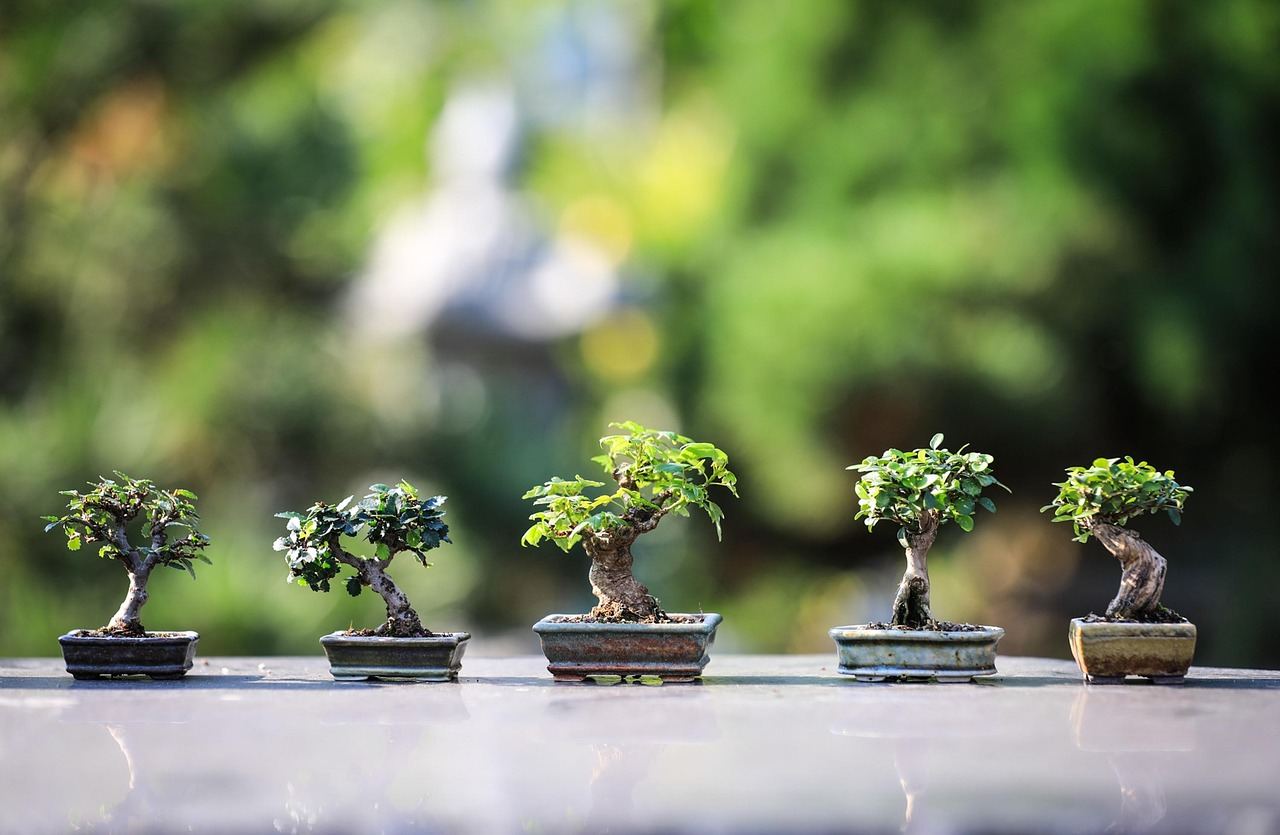
Bonsai isn't just about keeping a tree alive; it's about mastering decision-making and restraint over a decade as you shape a continually evolving living art.
Learning bonsai as a beginner offers a unique opportunity to cultivate and shape trees into stunning miniature sculptures right in your own home. Shaped over years into miniature living sculptures.
You control size through root pruning and branch training – not genetics.
Unlike houseplants, bonsai requires ongoing design decisions.
Unlike gardening, the goal isn't yield or bloom. It's an aesthetic and horticultural practice in one.
Bonsai involves hands-on tree maintenance and styling, including observing growth patterns, pruning branches, wiring for shape, and repotting roots, typically outdoors or in a dedicated garden space. Hobbyists engage in iterative refinement, making precise cuts with shears and adjusting the tree's form over time while monitoring its health and development.
Bonsai cultivates mindfulness-driven flow states through focused observation and iterative skill feedback, allowing hobbyists to experience incremental progress and long-term mastery. This process reduces mental clutter, enhances creative expression, and fosters a sense of accomplishment, while social belonging in clubs and forums provides additional motivation and support.
You think bonsai is about keeping a tiny tree alive without killing it. That's the assumption. And it's almost completely wrong.
It's not about keeping a plant alive. Bonsai thrives on decision-making with a decade-long timeline.
Bonsai is about reading a living system and making judgment calls.
Each decision shapes the tree, and they don't recover from thoughtless actions.
Craft is in timing. Knowing not only when to act—but when to hold back.
Patience is key. Holding back is harder than it looks.
Picture a juniper shaped over four years. Not 'finished.' It's an ongoing story, not a static piece.
That's the essence. It's not a product.It's a narrative you continue writing, even after putting the tools down.
Choosing your first tree is crucial. What you pick will shape your bonsai journey.
There's more to this choice than meets the eye. Let's dive into the impact it can have.
Bonsai videos show a world of calm precision. But your initial dive isn't peaceful. It's nerve-wracking. Each snip feels like you might do more harm than good.
New skills feel awkward, even messy. Beginners often question every decision, Google late-night doubts, and face a rough-looking tree.
Progress is slow at first. Then even slower.
You eventually find a focus, carving out moments where nothing else matters but the tree. The calm comes not from ease, but from letting the tree dictate the pace. Rushing only leads to mistakes.
Overloading is a common novice mistake. Don't repot and prune together. Each action stresses the tree differently. Give it time to adjust.
Next, let's tackle the frequent mistakes that keep beginners from moving forward.
When to start: Early morning
Duration: 1-1.5 hours
Cost to try: $25
Success criteria: if you finished without harming the tree, do session 2.
Bonsai soil dries at different rates depending on the species, pot size, and season. Routines can feel responsible, but they often miss these nuances.
Stick your finger an inch into the soil before every watering – if it's still damp, walk away.
Mild root-binding is normal and often healthy for many species. New growers panic when seeing roots circling in the pot.
Wait until early spring when buds are swelling. Only repot if roots escape drainage holes or water pools on the surface.
Beginners reach for scissors without considering tree health. The silhouette is tempting, but the tree may lack the vigor to withstand cuts.
Let a new tree grow freely for a full season first – focus on root mass and branch strength, not a sculpture.
Ficus and jade often can't handle cold nights. They look like bonsai in photos, leading to ill-advised purchases.
Match your species to your climate: olives and pines for Mediterranean, maples and junipers for temperate zones.
Wire can scar branches permanently if forgotten. While it shapes the branches beautifully, inattention can ruin them.
Set a reminder for six weeks after wiring. Remove it before it scars, even if the branch hasn't fully set.
Bonsai typically happens at home – on a patio or in a dedicated indoor space.
Clubs often share greenhouse space. Nurseries might host open practice days, providing a chance to learn from others.
Tell a club you're a beginner without tools or trees, and you'll often get a guided session. This approach saves you from costly beginner mistakes, like buying an overpriced tree.
Not all bonsai practice is the same. Your choice of tree species, style, and approach dictates your experience.
Ficus, jade, and schefflera thrive indoors year-round.Ideal for beginners, these trees don't go dormant, so there's less to juggle in winter.
Maples, junipers, and elms require the changing seasons.Perfect for those who think in seasons, these trees offer slower growth but vibrant fall colors.
Shohin bonsai are tiny trees, usually under 20cm tall.Not for beginners, as they dry out quickly and demand precise care.
Combine multiple trees in one shallow tray to mimic a grove.Looks dramatic but requires experience: it's best after you've kept a tree alive for two or more seasons.
Train nursery stock from scratch instead of buying shaped specimens.Budget-friendly but slow: it takes a year or two to look like a traditional bonsai.
A close neighbor worth considering: Tent Camping.
If you want a related angle, Wildflower Gardening is the natural next stop.
Another variant that pulls from the same roots is Freshwater Fishing.
Most beginners obsess over the cut – when to prune, how much to take, which branch to lose.
The cut is the last 10% of the decision. The 90% they're skipping is reading the tree's energy distribution.
The one skill is apex-to-root energy mapping – tracing where your tree is pushing growth right now, and using that information to decide what to do next, not what looks good to you.
That means before you touch a tool, you're scanning:
Then you work with that movement, not against your aesthetic instinct.
Bonsai shaping depends on understanding the tree's growth patterns.
Without this skill, you keep making 'correct' cuts that weaken the wrong branches, and wonder why your design never materializes.
With it, you stop fighting the tree's physiology and start collaborating with it.
Plan for 6 sessions over 30 days, fitting in about one and a half each week. This rhythm matches the nature of bonsai, which needs regular attention, but not daily involvement.
Finding reasons to check on your tree outside scheduled sessions? That's your cue. Bonsai captivates through subtlety and patience. If you're peering at new growth between planned days, you're already hooked. Start exploring second tree options—this time, pick a species that thrives in your climate.
Did the sessions without feeling a thing? If you wouldn't notice a change even if the tree struggled, that's telling. Some love the image of bonsai but not the deliberate pace. Extending trial won't shift this indifference. It's a sign that the fantasy caught your interest, not the actual practice.
Felt glad when a session skipped? If six simple sessions felt burdensome, there's a mismatch. Bonsai requires long-term dedication, with progress measured in years. It's time to acknowledge this isn't your kind of investment.
Standing in a garden center or yard and noticing trees differently? Not drawn to flowers or shape, but the trunk taper and root possibilities? That shift marks genuine bonsai interest. Most enthusiasts report it happens before even owning a tree.
Not sure bonsai is for you? The full hobby list covers everything else worth considering.
For quicker fixes, see our roundup of things to do when you're bored.
Growing a bonsai from seed can take 3–5 years to develop a basic shape, while pre-styled trees show results in months. The timeline depends on species, starting material, and your pruning technique. Most hobbyists see meaningful progress within 6–12 months of consistent care.
Ficus, Jade, and Elm trees are the most forgiving species for beginners due to their resilience and low maintenance needs. Junipers are also popular but require more precise watering. Start with a pre-styled young tree rather than seeds to speed up the learning process.
A beginner starter kit with a young tree, basic tools, soil, and pot typically costs $30–$80. Pre-styled quality bonsai trees range from $50–$300+, depending on age and species. Budget an additional $20–$50 annually for soil, fertilizer, and replacement tools.
Most bonsai need watering every 1–3 days depending on species, pot size, humidity, and season. The soil should dry slightly between waterings but never completely. Checking soil moisture daily is essential since small pots dry out quickly and overwatering is a common cause of failure.
Bonsai has a moderate learning curve but is not overly difficult with the right species and commitment to care. Beginners struggle most with watering consistency and understanding their tree's specific needs rather than the pruning itself. Patience and observation are more important than advanced skills.
Most tropical and subtropical bonsai (Ficus, Jade) thrive indoors with bright indirect light and humidity control. Temperate species like Juniper and Maple need outdoor conditions and seasonal temperature changes to stay healthy. Indoor placement near a south-facing window works best for most species.