BoredomBusted — Find Your Next Favorite Thing To Do
Discover hobbies, activities, places, and ideas that spark joy. Whether you're looking for something creative, active, social, or relaxing, BoredomBusted helps you find your next favorite thing to do.
Browse our hobby guides, things-to-do collections, and place ideas to never be bored again.
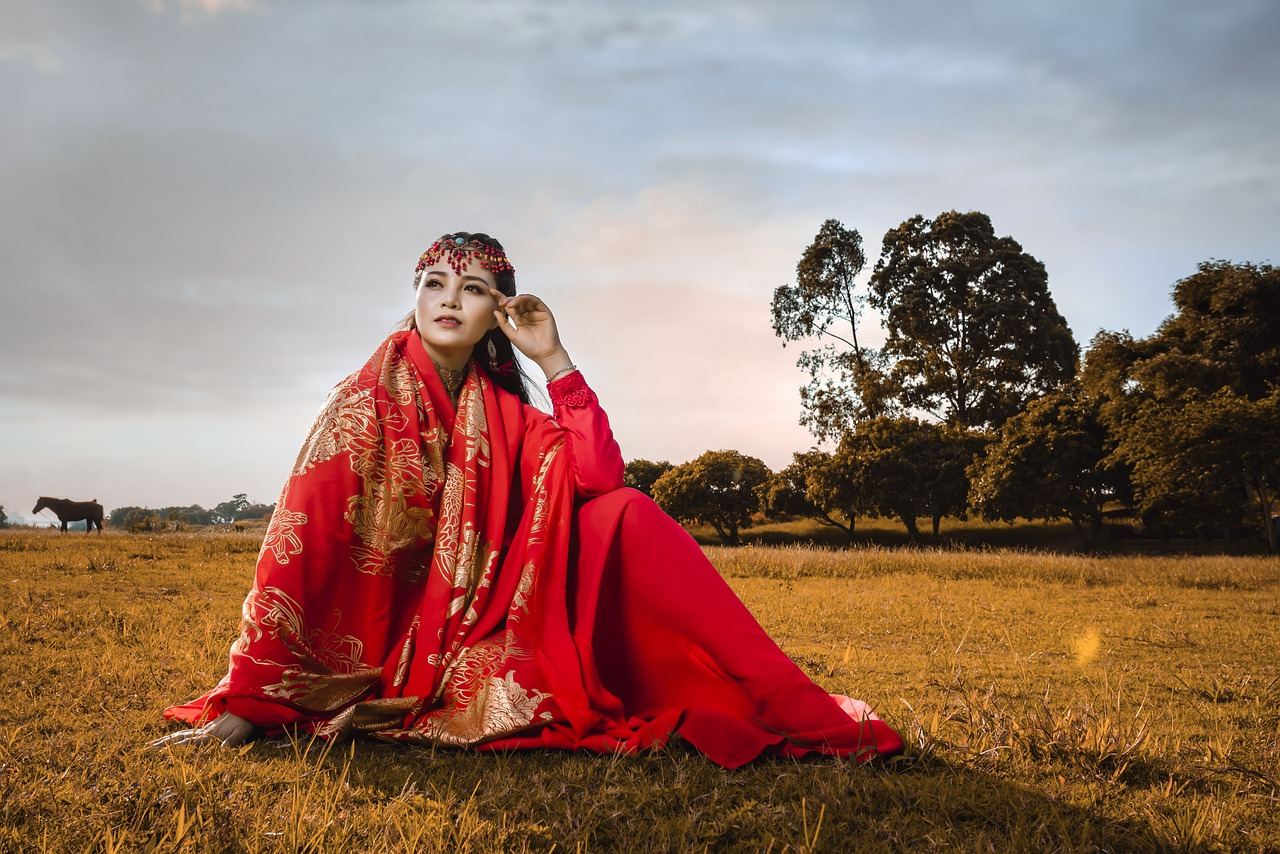
Cosplay isn't just about the costume—it's a deep dive into the psychology and movements of the character that brings them to life.
Getting started with cosplay as a beginner involves not just choosing a character, but also understanding the art of character portrayal. It's about bringing your favorite characters to life.
Draft a character onto paper. Hunt for fabrics and materials. Then spend weeks sewing, gluing, and painting.
Your creation becomes a wearable version of someone else's story. Wear it to conventions, photoshoots, or parties to see others recognize who you've become.
Choose a character you adore. Many cosplayers pick someone they love and learn basic skills, like sewing or armor-making, as they go.
In cosplay, participants engage in crafting costumes from various materials, applying makeup and special effects, and performing as fictional characters through dynamic poses and expressions. This includes activities like sewing, painting props, and conducting photoshoots with personalized setups, allowing for a personal interpretation of beloved characters.
Cosplay alleviates boredom by facilitating a flow state through focused tasks like costume assembly and makeup application, providing immediate feedback and a sense of accomplishment as hobbyists refine their skills and share their creations with an online community, fostering social belonging and creative expression.
You think cosplay is about nailing the costume alone.
You imagine a perfect replica of your favorite character's outfit, but there's so much more to it.
The real challenge is becoming the character in every sense.
Consider Jamie, who cosplays as Captain Marvel.
She didn't just sew a suit; she spent weeks analyzing scenes, learning Brie Larson's mannerisms, and practicing Captain Marvel's confident walk.
When Jamie stepped onto the convention floor, she was Captain Marvel.
Studying, analyzing, mimicking—these are the hidden steps that lead to an authentic cosplay experience.
The costume comes to life when the character does.
Ready to uncover the depth of cosplay commitment?
You hunch over the sewing machine for hours, fingers increasingly raw. The fabric isn't draping like the YouTube video promised. The wig itches when you put on the costume.
Every design choice feels questionable as you stare at yourself in the mirror, looking nothing like the reference image.
But in the convention hallway, a stranger lights up upon seeing your character. The recognition feels different than expected, a tangible reward for your effort.
It's the on-the-fly problem-solving that turns out to be the most satisfying. Like when you jerry-rig a broken prop with safety pins just before photos.
When to start: Morning
Duration: 1.5 hours
Cost to try: $20
Success criteria: If you can identify one character, collect 3 reference images, and turn an old shirt into a rough costume mockup, do session 2.
Most first-time cosplayers don't fail because they lack talent. They fail because nobody warned them about the specific, predictable traps that catch almost everyone. These five mistakes show up constantly — and each one has a fix that takes maybe five minutes to internalize.
Beginners estimate how long a costume will take if everything goes right. Nothing ever goes right on the first build. Fabric gets cut wrong, glue doesn't hold, shipping takes an extra week.
Double whatever timeline feels reasonable, then add a buffer week at the end. That final week isn't for building — it's for fixing the thing you didn't see coming.
Loving a character is not a reason to build their costume first. Full armor, elaborate wings, and light-up rigs all involve skills that take real practice to develop.
Pick your first costume based on complexity, not attachment. Save the ambitious character for your third or fourth build, once you know how materials actually behave.
A costume that looks perfect in your bedroom can arrive at the convention crushed, snapped, or unwearable. Wings wider than a car door, rigid props that don't disassemble, tall headpieces with no carry case — these are all avoidable.
Build transport into your design decisions, not as an afterthought. If a piece can't fold, pack flat, or detach cleanly, redesign it before you finish it.
Shoes, belts, gloves, props, wigs, and jewelry don't get budgeted until the main costume is done — and by then, the money's gone. It's one of the most consistent beginner patterns there is.
List every single component before you spend a dollar on materials. Footwear and accessories can easily add 30–50% to your total cost if you don't account for them upfront.
Convention floors are full of experienced builders who've been doing this for years. Comparing your first attempt to their polished work is a reliable way to kill your motivation before you've really started.
The only useful comparison is your current build versus your last one. Accuracy matters less than finishing, learning, and showing up.
Discord servers offer focused, active spaces. ProCosplay Club unites fans of Marvel, DC, and anime, while Cosfun supports newbies with advice. Anime, Cosplay & Life (AC&L) hosts art contests and cosplay discussions. Shangri-La ⋄ COSPLAY ⋄ SOCIAL connects global enthusiasts over fashion and cosplay.
Cosplay.com brings together cosplayers, photographers, and fans for sharing and discussion.
Anime Los Angeles is a must for community vibes. Held at Long Beach Convention Center, it features contests and artist alleys.
Be specific about your interests. Try this intro: "Hi! I'm new to cosplay and excited to join this community. I'm interested in [specific character/series/fandom].
This is about recreating fictional characters with high accuracy. You'll need research, sewing skills, and attention to detail.The foundation style every cosplayer starts with
Transforms non-human characters into human forms. Often used for Pokémon. Requires designing original outfits and using fan art for ideas.
Switch the gender of a character while staying true to their essence.Creative adaptation of costume design
Make full-body furry suits with animal traits. Physically demanding and requires specialized sewing skills.
Use everyday clothes to emulate characters. Great for beginners needing only creative wardrobe selection.
If this resonates, Hand Building Pottery explores a similar direction.
If the texture of this appeals to you, Installation Art is built on similar bones.
Another variant that pulls from the same roots is Airbrush Painting.
Most cosplayers chase perfect accuracy, matching every detail. But what's crucial is identifying which visual elements truly represent the character from a distance.
Focus on the silhouette, color blocking, and signature prop—elements that define the character. These are what audiences recognize without close inspection.
By prioritizing these, you'll spend time and money where it matters, simplifying the rest. It transforms costume-making from a perfectionist's trap into something truly rewarding.
Try it for three sessions over two weeks. Each session, choose a new and slightly challenging project to test different skills.
If you find yourself preoccupied with ideas for your next costume or can't wait to tackle the next intricate detail, you're already in deep. Start setting aside creative time every week and connect with online communities for inspiration.
If making costumes feels like a tedious task rather than a fun challenge, that's a signal to pause. Try creating a simple accessory to see if finishing a smaller project gives more joy.
If you dread the idea of spending hours crafting without being around people, this might not be the right fit. Some people love creating costumes but dislike the commitment to weeks of solitude.
The one sign you shouldn't ignore: finding yourself up late scrolling through forums for armor-building tips.
If cosplay sounds close but not quite right, our hobby list might surface something better suited.
Cosplay is a deeper commitment than most boredom cures — for lighter options, check things to do when bored.
Cosplay costs vary widely depending on your character choice and materials. A simple first costume can range from $50–$200 using budget fabrics and DIY methods, while more detailed outfits with specialized materials, wigs, and props typically cost $200–$500+. Many cosplayers start small and invest more as they develop their skills and sewing experience.
Sewing skills are helpful but not required—many cosplayers use no-sew methods like fabric glue, velcro, or hand-stitching basics to create costumes. You can also combine store-bought pieces, modify existing clothing, or commission experienced makers for parts you can't build yourself. Learning as you go is a normal part of the cosplay journey.
Choose a character you genuinely love and whose costume matches your current skill level—usually something with simpler silhouettes and fewer intricate details. Popular beginner options include characters in school uniforms, basic superhero outfits, or fantasy personas with straightforward clothing. Starting with something achievable keeps the experience fun and motivating.
Simple costumes can be completed in 1–2 weeks with a few hours of work per day, while detailed outfits with armor, props, and special effects often take 1–3 months. Time depends on complexity, your experience level, and how much you work on it weekly. Planning and gathering materials early is key to avoiding last-minute stress.
Conventions like Comic-Con, anime expos, and gaming events are the primary venues where cosplayers gather and celebrate together. Local meetups, Halloween events, and themed parties also welcome cosplay, and online communities on Reddit and Discord connect you with fellow enthusiasts year-round. Many conventions even have costume contests and photo opportunities.
While anime and comics are popular sources, cosplay embraces characters from video games, movies, TV shows, books, and original designs. Many cosplayers create costumes from any fictional universe they're passionate about, and some even design entirely original characters. The hobby celebrates creativity and fandom across all entertainment mediums.