BoredomBusted — Find Your Next Favorite Thing To Do
Discover hobbies, activities, places, and ideas that spark joy. Whether you're looking for something creative, active, social, or relaxing, BoredomBusted helps you find your next favorite thing to do.
Browse our hobby guides, things-to-do collections, and place ideas to never be bored again.
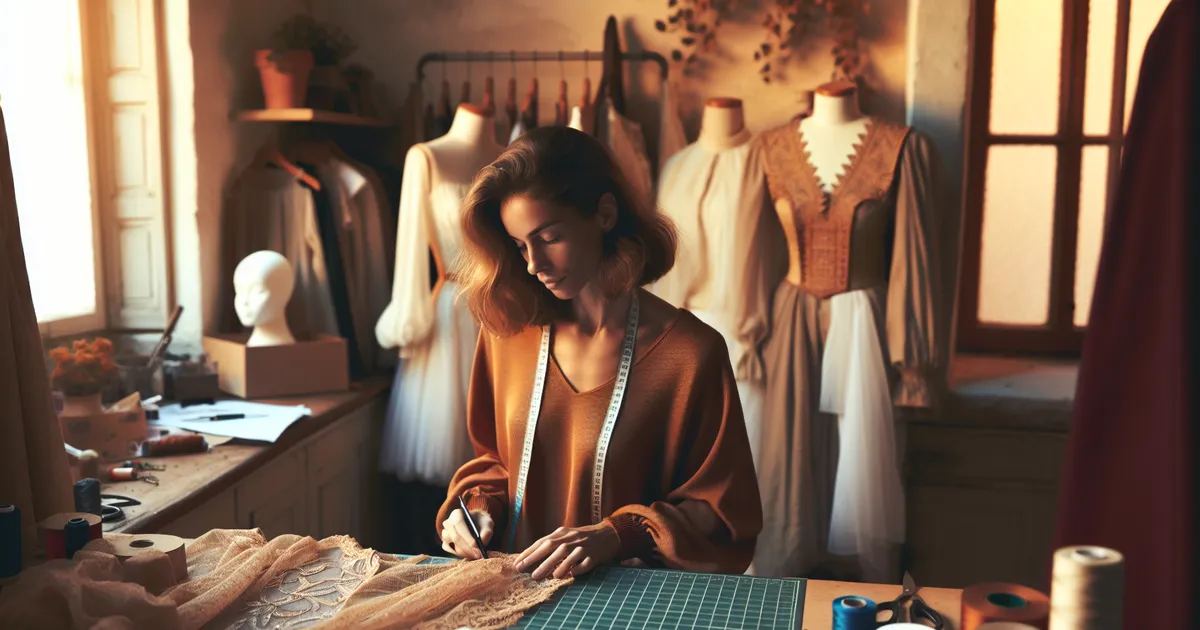
Costume design transcends sewing — it's an immersive blend of art history, spatial thinking, and vital research that redefines how you perceive visual media.
Learning costume design as a beginner opens up a world of creativity, allowing you to create characters through clothing by selecting, constructing, or modifying garments to tell a story visually.
With fashion design, the focus is on the wearer. Cosplay focuses on replicas. In costume design, you build characters around details like silhouette, era, and psychology. Every stitch fits into a character's unique narrative.
Costume design involves the hands-on creation of garments and accessories through sewing, drafting designs, sourcing materials, and applying makeup or prosthetics. Practitioners may also engage in prop-making, transforming fabrics and materials into intricate pieces that embody characters' identities.
Costume design fosters a flow state as the immersive process demands focus and creativity, satisfying the need for self-expression while also providing incremental skill feedback through tangible results in garment construction and character portrayal.
You think costume design is just sewing. Maybe some hot glue and a YouTube tutorial. You wonder why it's on a hobby list, imagining it's just for Halloween.
That assumption is going to cost you something good.
Costume design is problem-solving on a deadline. You're translating a character, mood, or era into physical form, balancing body, budget, and time constraints. It blends art history, textile science, and spatial thinking. Most get hooked for the craft but stay for how it transforms their visual intelligence.
A costumer building a 1940s silhouette isn't just picking a pattern. She researches wartime fabric rationing, understanding shoulder pads as structural, not decorative. Modern materials must recreate that historical logic.
The costume becomes a small argument about history.
Knowing why something looks the way it does – that's the research instinct that separates your first project from every better one. Ready to dive into those insights? That curiosity takes you deeper than you'd expect.
The transition from inspiration to action in costume design is often jarring. Expect silence — just you, your uncooperative materials, and a workspace that won't create itself. The sketch doesn't match the fabric. The fabric doesn't match the body. The sewing might feel like chaos. This isn't a failure of vision but the gap between imagination and skill.
Initially, there's more measuring than actual cutting. It feels irreversible and intimidating. Soon, you'll face your first complete piece, whether a bodice or collar, battling a single fit issue that maddens you. This is normal and part of the process. Your skill grows during these challenges.
After adjustments, things might fit better or not, sparking either satisfaction or frustration. The mockup stage isn't glamorous, but it's critical. It's a vital learning opportunity before perfecting the real piece.
Working without a dress form teaches you nothing about how clothing behaves in real life. Design is a three-dimensional craft. Start early with draping to understand movement and fit. Up next, the common mistakes that prolong this frustrating phase.
When to start: Morning
Duration: 2 hours
Cost to try: $30
Success criteria: If you finished a character sketch with at least 3 matching fabric swatches glued beside it, do session 2.
That vibrant silk charmeuse tempts you at the store, and soon it's in your cart. No project in mind.
Start with a muslin draft to refine your design and fit. Cut, adjust, and perfect this mockup before committing to your final fabric.
Pictures are flat. Real bodies aren't. Costumes built from photos rarely fit actual people well.
Measure your body first. Take 12 specific measurements, like shoulder slope and torso length, before buying patterns.
Jumping ahead to assemble exciting parts is tempting, but often spells disaster.
Read all pattern instructions before starting. Following this order prevents last-minute fixes and awkward construction.
Your costume might shine at home but turn grey or green under different lights at the venue.
Check swatches under actual event lighting. Borrow a color gel or view them at the venue before finalizing decisions.
Costumes endure hours of movement and scrutiny. Normal seam allowances won't cut it.
Test your seam durability in action. Sit, crouch, and move in your mockup to ensure strength before using your actual materials.
Costume design can flourish anywhere there's space for creativity. Fabric spreads over a sewing room table, backstage at a community theater, or in a shared makerspace. These locations offer both the tools and camaraderie essential for costume creation.
Start conversations by saying, "I'm new to construction but understand design – I want to learn how garments are actually built." This approach ensures you're paired with someone skilled in sewing, which closes the gap often faced by beginners.
This is costume design focused on convention or competition accuracy. Foam armor and LED rigs are common. Ideal for those who want a project with a clear finish line.
Budget $100–$300+ for a first build, as material costs add up fast.
Recreate garments with era-specific accuracy. This option is slower and technical. No shortcuts—seams need to be perfect, not just hidden.
It's best for those who enjoy research. Plan on spending more on quality materials.
Costumes here need stage impact. Bold silhouettes matter, not subtlety. You'll face budget constraints and collaborate on others' visions.
Best for those who love collaboration.
Create character outfits from thrift store finds. It's a beginner's best entry—learn design thinking without needing a sewing machine.
Ideal for those not ready to invest in expensive equipment or dedicated space.
Create original wearable garments. Focus on technical sewing and fit over theatrical drama.
For those whose goal is fashion, not just character portrayal.
Readers who enjoy this often gravitate toward Cartoon Drawing next.
UI Design is a sibling pursuit and often surfaces the same kind of curiosity.
If the texture of this appeals to you, Poster Design is built on similar bones.
Silhouette reading changes everything.
Ignore the fabric for a moment. Consider how a costume looks from ten feet away. A weak silhouette is what makes a costume seem cheap, not poor sewing.
Silhouette reading is about simplifying your reference image. Remove color and texture mentally to find the shape your costume needs. It's about the shadow it casts.
Strong silhouettes make costumes recognizable from a distance. Whether on a convention floor or in photos, if the silhouette is clear, people know your character.
Your costume's structure dictates its impact, not details. Petticoats, boning, padding, and interfacing create the shape. Decoration is secondary.
The next section reveals where silhouette reading impacts costume design most.
Commit to six sessions over 30 days. One every five days lets you move past initial struggles without investing months in a hobby that might not fit.
Those first two sessions are all setup. By session three, you're making choices about silhouette and materials. This is where your real feelings about costume design start to emerge.
If you find yourself mentally designing costumes away from your work desk, that's a sign you're hooked. You notice hem structures during a movie, or calculate fabric needs in a thrift store. You're already invested, so tackle a bigger project that excites you.
No strong feelings after six sessions often indicates a partial connection to the hobby. Maybe you enjoyed the sewing but not the designing. Try narrowing your focus with four more sessions to explore the parts you enjoyed.
If sitting down to work felt like an unwanted chore, this hobby isn't for you. Some people love the excitement of a finished piece but dislike making it. Accepting that mismatch is crucial and liberating.
The one sign you shouldn't ignore is noticing clothing construction in everyday life. Observing seams or how a collar sits signals a deeper connection than mere interest.
Costume Design is a deeper commitment than most boredom cures — for lighter options, check things to do when bored.
You'll need basic sewing ability, though you can learn as you go. Understanding color theory, fabric properties, and character analysis are equally important. Many beginners start with hand-sewing simple garments and gradually build toward more complex techniques.
Initial investment can range from $100–$300 for basic tools, including needles, thread, scissors, measuring tape, and a few pattern papers. Fabric costs depend on your projects, but thrift store clothing and fabric remnants offer budget-friendly options for practice and prototyping.
Yes, many successful costume designers are self-taught through online tutorials, books, and hands-on practice. Joining theater groups, film productions, or cosplay communities provides real-world experience and mentorship opportunities that supplement independent learning.
Simple costumes take 5–10 hours, while detailed period pieces or character-specific designs can require 20–50+ hours. Timeline depends on complexity, fabric selection, embellishments, and whether you're hand-sewing or using a machine.
Costume design is driven by character development and narrative requirements in theater or film production. Cosplay is fan-focused and emphasizes accuracy to fictional characters, though both share sewing and creative skills.
Cotton, cotton blends, and fleece are forgiving and easy to sew. Avoid slippery materials like satin or knits until you're comfortable with a sewing machine. Thrifted garments are excellent practice since mistakes matter less.