BoredomBusted — Find Your Next Favorite Thing To Do
Discover hobbies, activities, places, and ideas that spark joy. Whether you're looking for something creative, active, social, or relaxing, BoredomBusted helps you find your next favorite thing to do.
Browse our hobby guides, things-to-do collections, and place ideas to never be bored again.
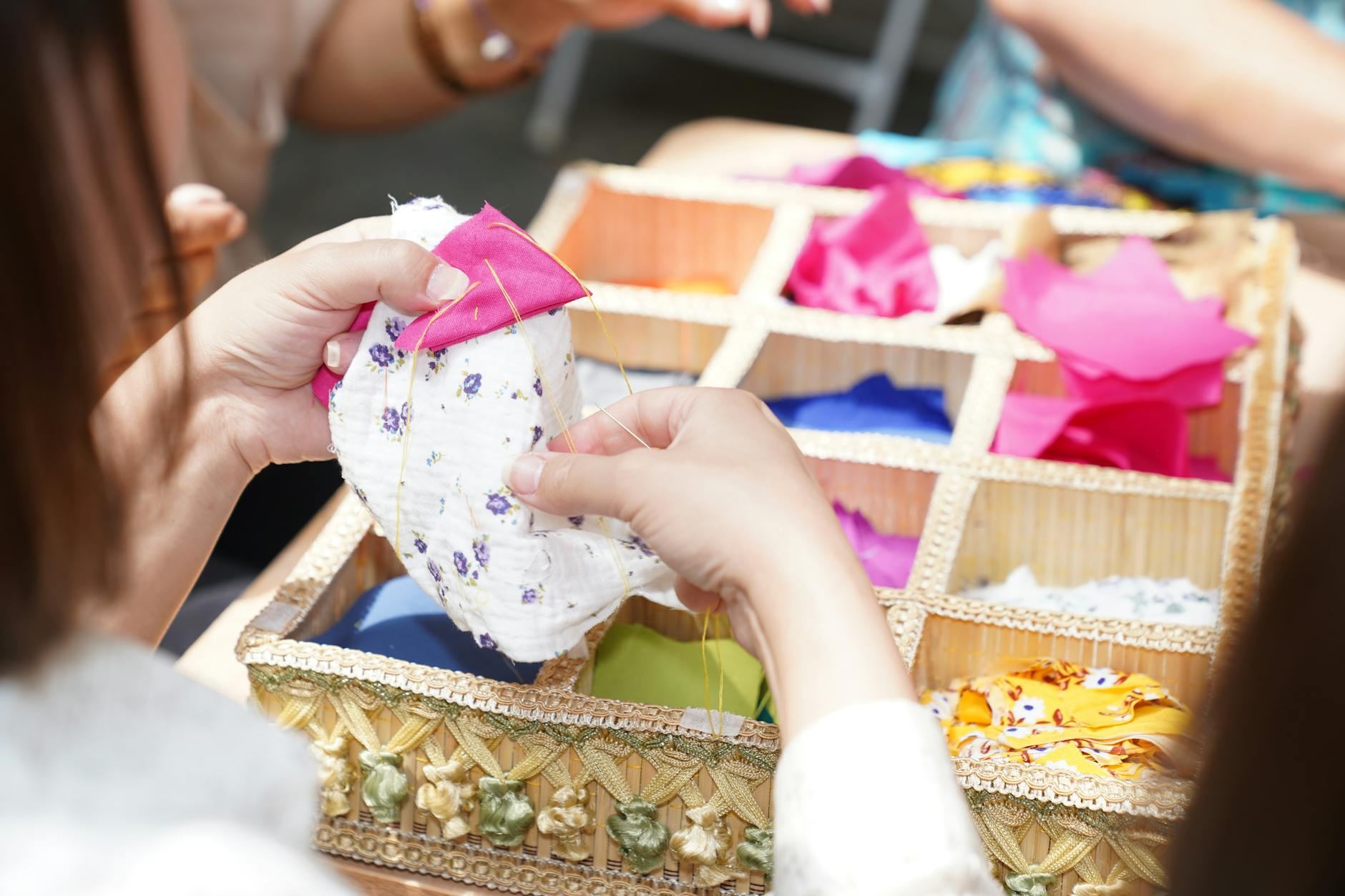
Costume making isn't just about sewing; it's a complex blend of sculpting, engineering, and finishing that defines the final look more than any stitches.
Getting started with costume making as a beginner is an exciting journey that allows you to build wearable characters from scratch. You combine sewing, sculpting, painting, and fabrication to create a complete piece.
Forget real-life wearability — unlike fashion design, the aim is to make something imaginative and unreal.
In costume making, you engage in hands-on crafting by repurposing materials like cardboard and fabrics into detailed outfits, involving actions such as measuring, cutting, gluing, sewing, and painting to create wearable art that reflects specific characters or themes.
Costume making induces a flow state through the challenge of crafting detailed pieces, provides immediate skill feedback as you see your creations come to life, and satisfies creative expression, all culminating in a sense of accomplishment when you reveal your finished costume.
You think costume making is just sewing. A needle, some fabric, a YouTube tutorial, and you're done.
That assumption is why most people either never start — or quit after the first pattern.
Most of the actual thinking happens when translating a fictional object into real materials. The design problem is often harder than the craft problem itself.
The last 20% of the work determines 80% of the result. It's a finishing craft involving foam sealing, paint layering, and detail work, not just sewing.
A maker building armored pauldrons from EVA foam faces endless steps beyond sewing. Heat-shape each piece, seal with Plasti-Dip or Mod Podge, sand between coats, prime, paint in layers, then weather it for a battle-worn look. A sewing machine never even enters the room.
The craft goes deeper the longer you stay in it — and the next section is where we cover exactly what that first week actually looks like.
Watching costume tutorials feels like you're right on the verge of making armor. That excitement peaks when the scissors come out and the foam doesn't behave like it did in the video.
The gap between watching and doing isn't about lacking skill. It's just the hours you haven't put in yet.
Expect to spend most of the first week researching. That's not a wasted effort; it sets the pace for everything after. By week two, your first piece probably won't match the reference, but you'll learn much more from this failure than multiple successful attempts.
In week three, patterns start clicking, transforming those confusing instructions into a language you understand. The real shift happens in week four when you stop scrapping mistakes and instead start fixing them. This is when real progress occurs, even if you don't notice it at first.
Ugly seams, wrong scale, everything feels off. That's where beginners often abandon projects, thinking they're disasters. But experienced creators know this is when your costume starts taking on your personal touch, breaking away from merely following someone else's steps.
Before diving in, grab a half-meter of cheap cotton muslin. This will save your good fabric. Practice makes errors less costly and more instructive.
When to start: Morning
Duration: 1.5 hours
Cost to try: $15
Success criteria: if you finished without any completed costume, do session 2.
That expensive brocade feels too nice to waste on a test run. But once you cut it wrong, your project is over.
Stick to muslin for your first version. Wear it around, adjust, then move on to the good stuff.
Those intricate patterns with corsets and tailored coats look amazing. But they assume a level of skill that beginners don't have.
Choose patterns that match your sewing level. Add complexity with decoration after mastering simpler methods.
Online PDF patterns often skip seam allowances completely. Many assume users already know to check this.
Scan for allowance notes before cutting anything. If missing, add 5/8 inch per piece.
Hot glue feels like a quick fix before a con, but one move can pop a seam apart. It's brittle under stress.
Hot glue is for foam. Opt for fabric glue on flat areas and sew anything needing flex.
Recent pattern sizes don't match off-the-rack clothing. Many beginners make assumptions based on this mismatch.
Always measure: bust, waist, hips, back. Compare these to the pattern chart directly.
Costume making usually starts at home. A spare room or even just a kitchen table is all you need for basics.
For larger projects, seek out a community craft studio. These spaces often have shared tools and a supportive environment.
Walk into any meeting and simply state, 'I'm just starting out – I can sew basics but I've never built a full costume.'
This approach connects you with the right group. You'll find mentors and attend beginner-friendly projects, skipping the advanced prep otherwise.
Meetup.com is another option. Search "cosplay," "sewing circle," or "prop making" to find local workshops.
Forget sewing patterns. Create characters using only thrifted or already owned clothing. Perfect for testing the waters without a big commitment.
Trade fabric for foam and thermoplastics. Make helmets, shields, full suits. For those who prefer construction over stitching. Expect startup costs of $60–$150 for a heat gun and materials.
Accuracy is everything here. Period fabrics, verified silhouettes. No shortcuts appeal entirely to the research-inclined builder.
Think foam carving and faux fur, not fabric. Techniques separate from typical costume-making. Perfect for those drawn to full creature designs like furries and mascots.
Buy and adjust pre-made pieces. Faster and often cheaper than custom creations. Dismissed by purists, but ideal if you need a costume for an event immediately.
Spoon Carving is a sibling pursuit and often surfaces the same kind of curiosity.
If the texture of this appeals to you, Chainmaille is built on similar bones.
Readers who enjoy this often gravitate toward Knitting next.
Most beginners obsess over choosing the right materials and mastering their sewing machine. The real bottleneck is neither – it's that they can't yet read a 3D shape and translate it into flat pattern pieces.
Pattern drafting from observation is the key skill. Look at a reference image or the costume itself. See it as flat fabric pieces that, when sewn together, rebuild that shape on a body. This isn't about tracing a commercial pattern. It's about truly seeing a sleeve, bodice, or boot cover—and understanding which seams make that shape possible.
When you learn this, every costume becomes buildable. You're no longer stuck waiting for someone else to create a pattern for your character. That's why experienced makers finish new costumes in weeks, while beginners spend months searching for the 'right' pattern.
Next, explore how this skill leads to more custom, original designs.
Four sessions over 30 days. One session a week should focus on completing a small piece like a mask or a pair of ears. Projects that are small enough to finish but challenging enough to give real insight.
If you're frequently thinking about your projects between sessions, adjusting pieces mentally, or wondering how costumes on TV are made, you're in deeper than casual interest. That's the moment to plan a full build. Pick a character you genuinely love and commit.
If you finish sessions without further thought, mild interest typically stalls here. Consider extending the test, but recognize that costume making thrives on obsession and complexity.
If working on costumes feels like a chore, that's not about the difficulty. Some hobbies are hard but rewarding; this one just doesn't click for you. Acknowledge it without guilt.
Noticing costume details during a movie pause instead of reaching for your phone? That specific curiosity means you're already engaging with the hobby in a natural way.
Pain from fine motor tasks like sewing, gluing, and cutting isn't a minor issue. It's a structural problem if you're dealing with arthritis or repetitive strain injuries.
A lack of dedicated workspace can stall projects. Constantly setting up and packing away materials creates friction that disrupts momentum, especially early on.
If flexible timelines stress you out, costume making's sporadic deadlines and goals might be demotivating rather than helpful.
Still looking for something to do? Browse things to do when bored for more ideas.
No, beginners can absolutely start costume making with basic sewing skills or even none at all. Many costume makers begin with simple projects like using fabric glue, hot glue guns, and hand-stitching before progressing to machine sewing. Online tutorials and beginner-friendly patterns make it accessible for anyone willing to learn.
Initial setup typically costs $50–$200 depending on what tools you already own. A basic sewing machine ($50–$150), fabric scissors, thread, and measuring tools cover the essentials; fabrics and materials for individual costumes vary by complexity and character choice. Many costume makers build their tool collection gradually as they take on more ambitious projects.
A simple costume can be completed in 10–20 hours, while detailed, armor-heavy, or embellished costumes often require 40–100+ hours. The timeline depends on your skill level, the character's complexity, and how much detail work you want to include. Planning and design time should also be factored in before you start sewing.
You'll develop sewing, pattern reading, fabric selection, color theory, and 3D design skills as you construct different costume elements. Bonus skills include problem-solving, time management, and creative problem-solving when adapting designs to your vision. Many makers also learn armor-crafting, prop-making, and textile dyeing as they advance.
Yes, many costume makers turn their hobby into a side business or full-time career by selling custom commissions or pre-made costumes online. However, be mindful of copyright and intellectual property if you're selling costumes based on copyrighted characters—check the companies' fan-work policies or focus on original designs. Some makers get formal licensing agreements or sell at conventions with permission.
Online communities like Etsy, PatternReview, and dedicated cosplay forums offer thousands of paid and free patterns tailored to specific characters. Social media platforms like Instagram, TikTok, and Pinterest showcase costume maker tutorials and inspiration from experienced creators. Conventions and local costume groups also provide direct feedback and ideas from fellow makers.