BoredomBusted — Find Your Next Favorite Thing To Do
Discover hobbies, activities, places, and ideas that spark joy. Whether you're looking for something creative, active, social, or relaxing, BoredomBusted helps you find your next favorite thing to do.
Browse our hobby guides, things-to-do collections, and place ideas to never be bored again.
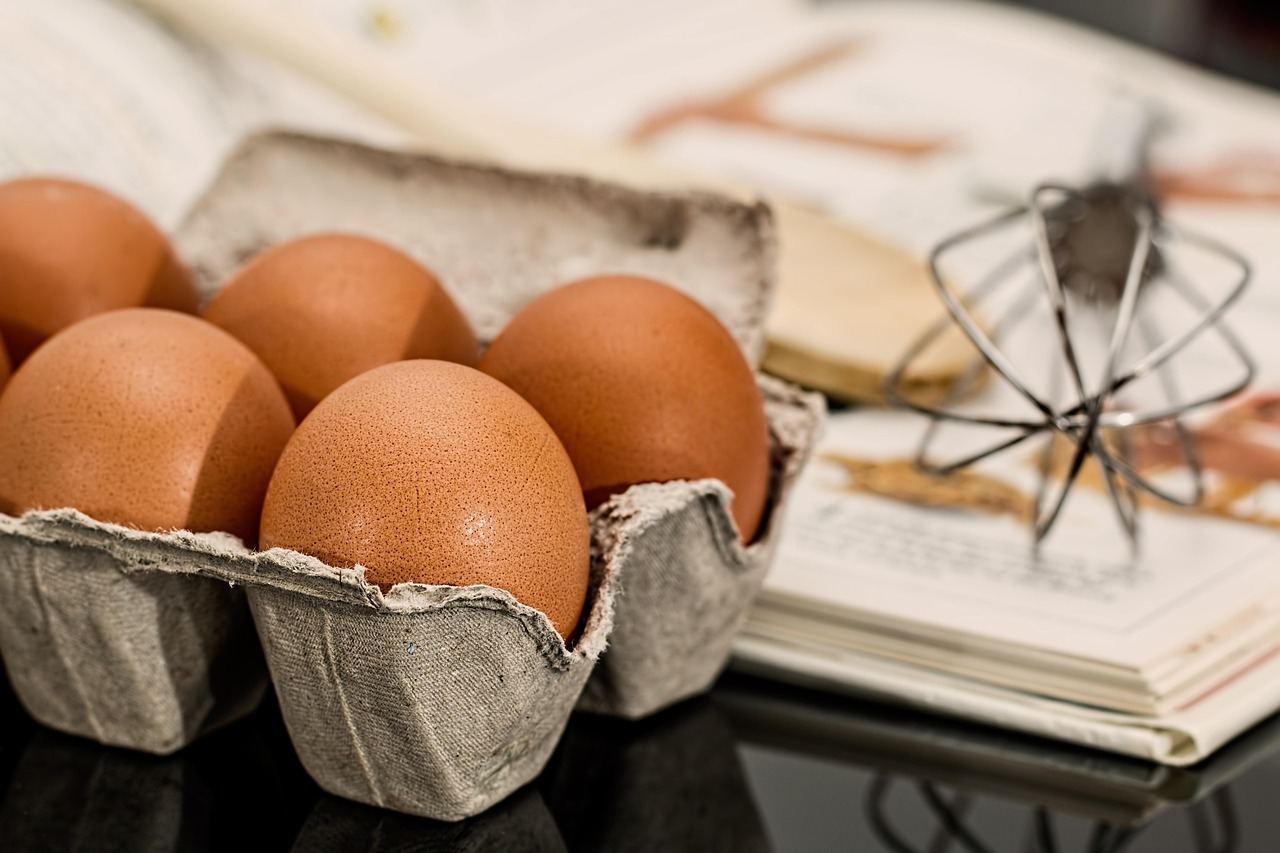
Egg arts isn't just about creativity—it's a precision engineering challenge, where every egg becomes a complex structural puzzle to solve.
Getting started with eggshell art as a beginner offers a unique opportunity to transform ordinary eggs into delicate masterpieces. Dye them, carve intricate patterns, or paint tiny scenes on their surfaces.
Mastering eggshells demands patience and precision. These fragile, imperfect canvases crack easily, teaching you to be gentle and careful.
Creating Ukrainian pysanky with beeswax, decorating eggs for display, or sculpting them into art pieces transforms a kitchen staple into something truly extraordinary.
Egg Arts involves decorating eggs using techniques such as painting, drilling, and decoupage. Practitioners select designs, prepare the eggs, and apply various materials to transform them into intricate art pieces. This process requires both creativity and craft skills, allowing for personal expression through the choice of colors, patterns, and textures.
Engaging in Egg Arts can induce a flow state by requiring focused attention on detailed tasks, which helps to block out distractions. The incremental skill feedback gained from mastering techniques provides a sense of accomplishment and fulfillment, while the creative expression satisfies an intrinsic drive for artistry.
Egg arts is not just a delicate craft—it's a discipline demanding precision. You're not simply decorating; you're navigating a maze of physical constraints.
Eggshell thickness changes unpredictably, and materials behave differently on curves. Plus, structural integrity is crucial when carving through calcite.
Mastery isn't about steady hands. It's about treating each egg like a puzzle. Weight distribution, tool paths, and structural soundness all matter.
Cracking your first egg is messier than expected. Shell fragments scatter across your work surface. Sticky hands are inevitable, and the yolk's fragility catches you off guard when it breaks.
The raw smell is sharper and lingers longer than when you cook them. It fills the air and adds another layer to the task.
By your second or third egg, your fingers move more confidently. You find the rhythm in blowing out shells and separating membranes.
There's a meditative quality to the precise repetition, like crafting or restoring.
Egg residue sticks under your nails as you finish.
You're surprised by how engaging such a simple material can be.
When to start: Morning
Duration: 1-2 hours
Cost to try: $15
Success criteria: if you finished without breaking more than 3 eggs, do session 2.
Beginners grab whatever's handy — a paper towel, a slippery plate, a folded cloth — and then wonder why the egg rolls mid-stroke. The surface isn't a minor detail. It determines whether your hand stays in control.
Use a nonstick surface or a proper egg-holding ring to stop the egg moving. That stable base is what makes every other technique actually work.
Slow, hesitant brush strokes drag pigment back up off the shell. The paint streaks, clumps, and lifts — which then tempts you to fix it by going over it again, making things worse.
Commit to each stroke and move with deliberate speed. One smooth pass lays paint evenly. Two passes on wet paint turns it into a muddy mess.
There's a moment in every egg where it looks almost right — and that's exactly when most beginners keep going. One more detail. One small tweak. Then the whole thing gets overworked.
Step back every few minutes and resist touching anything that already looks good. The design needs room to develop. Constant fiddling closes that room down.
A heavy brush dumps paint onto the shell in blobs. It bleeds into fine lines, pools in low spots, and dries uneven. Beginners assume more paint means better coverage — it usually means a messier egg.
Use less paint than you think you need, and build up coverage in light passes. The shell stays clean. The edges stay crisp.
Holding the egg freehand while detailing is asking for wobble. Your arm has no anchor, so every tiny shake transfers straight to the brush tip.
Rest both elbows flat on the table before you attempt any fine line work. Then switch to a fine detail brush — the smaller the tip, the more forgiveness you buy on tight strokes.
Don't discard an egg the moment something goes wrong. A smudge can become a shadow. An uneven line can anchor a new design element. Etching is also worth knowing — it can correct or disguise small surface errors entirely.
Egg Art International (EAI) is the primary hub for enthusiasts. They host shows, workshops, and retreats worldwide. Check out their website: eggartinternational.org.
In Eastern Pennsylvania, Eggsibit 2026 is happening in Easton, April 24-26.
New York looks forward to the Catskill Pysanka Workshop, June 3-7, in Kerhonkson.
In Washington State, email waeggshow@yahoo.com for the Washington Decorated Egg Show details.
Japan hosts the 12th Annual Exhibition with the Japan Egg Art Association.
New Zealand's Christchurch Egg Artistry Club has monthly meetings every 2nd Saturday.
Canada celebrates at Vegreville's Pysanka Festival.
"I'm new to egg art and interested in learning pysanka/decorated egg techniques. What's the best way to get started?"
"I'd love to attend a workshop or show. Which events would you recommend for beginners?"
"What materials and tools do you recommend for someone just starting out?"
For the latest online communities, consider reaching out to EAI for digital group suggestions.
Pysanky involves applying hot beeswax with a *kistka* to create detailed designs on an egg, then layering dyes to reveal multi-colored patterns. This ancient Ukrainian art form demands precision and patience. Ideal for those who love detail work and historical crafts.
Egg carving or eggshell sculpture uses fine-tipped drills and engraving tools to remove shell layers, forming intricate filigree designs. Best suited for those with a steady hand and a love for high-stakes artistry.
Painted eggs, or Maliovanka, involve direct decoration using vibrant colors. Regional variations include Bulgarian herb and wax patterns or Greek Orthodox red-dyed eggs. Perfect for beginners seeking creative freedom.
Fabergé-style eggs use precious metals, gemstones, and enamel to create elaborate decorative pieces. A jeweler's craft needing advanced skills in metalwork and enameling.
Mixed-media collage eggs combine printed images, fabric scraps, and decorative papers to form textured compositions. Accessible to artists of varying skill levels and ideal for experimentation.
Some of the same instincts show up in Leathercraft — worth a look if this clicked.
A close neighbor worth considering: Fashion Design.
If this resonates, Polymer Clay Crafting explores a similar direction.
Controlled tapping opens up egg artistry. Beginners often struggle by hacking away, causing jagged breaks and collapsing the delicate membrane. This ruins the egg's structure for carving or painting.
Tap in a deliberate circle, applying even pressure. Go at a consistent depth. You'll cleanly separate shells from contents and preserve intricate membrane details. Achieving smooth surfaces is what elevates amateur egg art to gallery-quality pieces.
Why does this matter? Because carving, mosaics, and dioramas need intact shells.
This hobby is for you if you: - You find meditative satisfaction in repetitive, detail-oriented work with your hands - You're willing to spend $30-80 on supplies before knowing if you'll stick with it - You have patience for techniques that take 5-10 attempts before producing something worth keeping - You prefer hobbies that don't require leaving your home or coordinating with other people It's probably not for you if: - You need immediate, visible results to stay motivated - You get frustrated when your hands don't execute what your brain envisions
For quicker fixes, see our roundup of things to do when you're bored.
You'll need eggs (chicken, quail, or decorative varieties), carving or etching tools (like fine-tip knives, dental picks, or specialized egg carving sets), markers or dyes for coloring, and a protective surface to work on. Most beginners start with basic tools costing $15–$30 total, though you may invest more as you explore advanced techniques.
Initial costs are low, typically $20–$50 for basic supplies if you already have eggs at home. A starter kit with carving tools and materials runs $30–$75. Ongoing costs are minimal since eggs are inexpensive and reusable tools last for years.
Simple designs take 30 minutes to an hour, while detailed pieces can take 3–5 hours depending on complexity and your experience level. As you develop your skills, you'll work faster and attempt more intricate designs.
No, egg art is very beginner-friendly—you can start with simple patterns and designs using just a marker or basic carving. The eggshell is forgiving material, so mistakes can often be incorporated into the final design or the egg can be cleaned and reused.
Finished pieces make beautiful gifts, home décor, or display items for shelves and tables. Many people frame their work, gift them during holidays, or preserve them with sealant to create lasting keepsakes. You can also sell your pieces online or at craft markets once you've developed your skills.
Chicken eggs are most common and affordable, but you can also work with quail eggs for smaller designs, duck or goose eggs for larger canvases, and even decorative plastic eggs. Each type allows for different artistic approaches and design scales.