BoredomBusted — Find Your Next Favorite Thing To Do
Discover hobbies, activities, places, and ideas that spark joy. Whether you're looking for something creative, active, social, or relaxing, BoredomBusted helps you find your next favorite thing to do.
Browse our hobby guides, things-to-do collections, and place ideas to never be bored again.
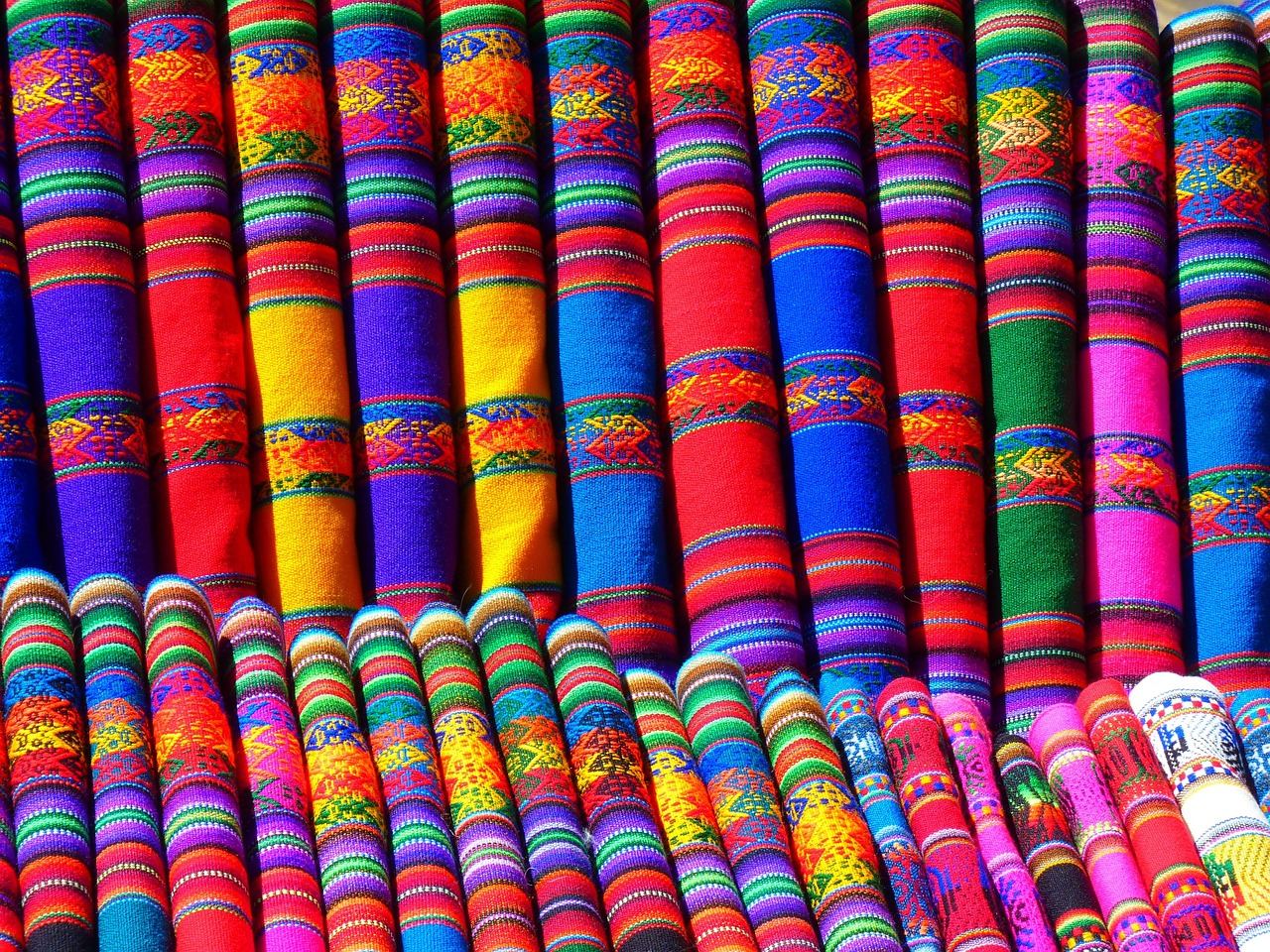
Embroidery isn't just for grandmas — it's a fast, portable craft that can turn simple stitches into a profitable side hustle in just months.
Getting started with embroidery as a beginner allows you to transform simple fabric into stunning art using just a needle and thread.
Build color, texture, and images by pushing a needle through the material in precise patterns. It's like painting, but with thread.
No need to construct the fabric yourself; you enhance an existing surface. This makes embroidery forgiving for beginners and perfect for short, relaxing sessions.
In embroidery, crafters secure fabric in an embroidery hoop and use a needle and thread to create decorative patterns through hand-stitching techniques, including satin stitches and backstitches, while often planning designs and selecting colors to personalize items like clothing or accessories.
Embroidery fosters mindfulness through repetitive, rhythmic stitching that engages the practitioner in a flow state, providing immediate tactile feedback which enhances skill proficiency and yields a sense of accomplishment through visible, tangible outcomes.
Think embroidery is just a slow, outdated pastime for idle hands? Picture it only as a quaint activity, perhaps as a relic of simpler times.
That assumption hides one of crafting's best-kept secrets: embroidery offers a quick and satisfying creative payoff.
Picture this: a graphic designer stitches band logos onto thrifted jackets. In six months, she has a waiting list, with strangers gladly paying $80 each.
She didn't need formal training. Just three YouTube videos and plenty of small stitches.
A hoop, a needle, a bit of floss. Pocket-sized but powerful.
Materials are cheap, and results appear quickly. Fewer barriers than watercolor or knitting.
The real question isn't whether embroidery can surprise you: it's whether you'll stitch your version or buy it.
Let's explore what sets your embroidery journey in motion.
Your first embroidery session isn't what you'd expect from the peaceful tutorials. No smooth gliding or elegant finishes. Instead, it's a battle with the fabric and thread,feels like everything knotting, twisting, and not behaving.
Expect hoop marks on your fingers and stitches heading off in their own directions. There's a moment when you might wonder if your hands are even meant for this. That tangled thread is real, and so is the doubt.
This awkward phase doesn't last nearly as long as it feels. You'll eventually find that groove where tension holds, and the back side of your piece resembles intentional craft. One day, you'll finish a flower and actually mean it.
It's not about skill levelwith embroidery. It's about giving your hands the time they need to adjust, and that's where many give up too soon. Keep those pieces small—18 inches of thread is your friend. Anything longer and you're just asking for knots.
Ready for a smoother path? Let's tackle the mistakes that trip most beginners.
When to start: Morning
Duration: 1 hour
Cost to try: $20
Success criteria: If you finish a hoop-held design with one clean satin stitch area or five neat French knots, do session 2.
Tight stitches might feel secure. But they warp the fabric and cause an unsightly pucker. Let the thread lay naturally across the fabric.
Stop pulling when the thread rests flat, before it gets tight.
A long thread feels like it should save time. Instead, it tangles and frays before you finish.
Keep each working thread no longer than 18 inches. That's about the distance from your elbow to your fingertip.
At first, it feels like you can skip the hoop. Ignoring it leads to stitches that pull and warp your fabric.
Secure the fabric snugly between the hoop rings. Ensure even tension by tightening the screw and adjusting until the fabric feels like a drum.
Starter knots seem convenient but they catch on future stitches and show through lighter fabrics.
Anchor your thread by weaving it under 3–4 stitches on the back. Skip the knot for a clean finish.
Beginners often use all six strands of embroidery floss, expecting bold lines. What they get are chunky lines hiding the details.
Use 2–3 strands for detail work.
Reserve all 6 strands for bold outlines.
Embroidery at home is cozy, but joining a group can speed up your learning. Craft studios and community centers offer classes where an experienced stitcher might rescue your project.
Facebook Groups are gold. Search for "embroidery [your city]" or "needlework circle [your state]." These are often buzzing with more chatter than any official site.
On the official side, the Embroiderers' Guild of America (EGA) is your go-to. Use their chapter locator at egausa.org to find local stitch-alongs and workshops.
Meetup.com is another option. Search for "hand embroidery" or "fiber arts." These groups often overlap and share members with various skills.
Don't forget your local quilt or fabric shop. They usually know who gathers where, even if they don't host.
Introduce yourself simply: "I just started – I know one stitch and I'm here to learn." This line gets you seated next to someone patient, quickly skipping small talk and onto tips that YouTube won't offer for weeks.
Not all embroidery is the same. The needle, the fabric, and the technique change everything \u2013 and picking the wrong one as a beginner adds frustration you don\u2019t need.
Cross-stitch uses X-shaped stitches on grid-counted fabric. This makes it the most forgiving entry point into embroidery. The grid does the design work for you \u2013 no freehand drawing, no transferring patterns. Best for complete beginners who want structured results fast.
Aida cloth starter kits run $8\u2013$15 and include everything you need.
Crewel uses wool thread instead of cotton floss, creating a raised, textured look that standard embroidery can\u2019t replicate. The same stitches feel different because of the heavier thread, offering more dimension and drama. Ideal for those who\u2019ve mastered basic stitches.
Wool thread costs slightly more \u2013 budget an extra $10\u2013$20 to build a starter palette.
Needlepoint is stitched on stiff open-mesh canvas, focusing on full coverage by filling each square. It resembles cross-stitch but feels sturdier, making it popular for ornaments or pillows. Perfect for those who enjoy methodical, meditative work with a clear finish line.
Blackwork uses only black thread on white or cream fabric, forming geometric patterns. The constraint is the point, training your eye for spacing and symmetry fast. Ideal for those with a graphic design mindset overwhelmed by color choice.
Stumpwork creates three-dimensional elements \u2013 petals, insects, figures \u2013 that rise from the fabric. Highly technical, it involves padding, wire, and separate fabric pieces. Best for experienced embroiderers seeking a challenge. Expect extra materials costs and a steep learning curve \u2013 this is not a weekend starter project.
Lacemaking lives in the same world — different mechanics, similar appeal.
If the texture of this appeals to you, Applique is built on similar bones.
Many beginners focus on mastering different stitches like satin stitch and French knots.
The real issue isn't the stitch type. It's keeping your tension consistent.
The essential skill involves carefully managing tension with every pull. Make sure the resistance on the up-pull matches the down-pull. Each stitch should sit at the same depth in the fabric.
Consistent tension ensures your stitches are flat and even. Without it, stitches can pucker or twist, affecting the final look.
The same materials can look polished or chaotic based solely on your tension.
Six sessions spread evenly over 30 days. Space them out to build muscle memory and figure out if the friction you feel comes from temporary hurdles or something deeper.
You find yourself thinking about embroidery when you're not working on it. Your mind goes to colors in the shower or to patterns in everyday objects. That's more than curiosity—it's the hobby catching hold. Start a more ambitious project and invest in quality thread.
Finishing the sessions without feeling anything specific might just mean you chose the wrong starting point. Geometric counted work and freehand botanical stitching are dramatically different. Try flipping styles before deciding to quit.
If every session felt like an uphill task, even once you began, that's a signal. The hobby might not be resonating with you, and extending the trial likely won't alter this.
You pause on embroidered pieces you encounter—whether they're on vintage clothes or displayed in shops. Instead of just admiring them, you question the technique. This curiosity means you're already engaging with embroidery like a practitioner.
Still looking for something to do? Browse things to do when bored for more ideas.
A basic embroidery starter kit with needles, thread, hoop, and fabric typically costs $15–$30. You can begin with just these essentials and expand your collection as you progress. Quality materials improve results, but there's no need to invest heavily upfront.
Most beginners can master fundamental stitches like backstitch and French knots within 2–4 weeks of regular practice. Simple projects like small designs on hoops can be completed in a few hours once you're comfortable with basic techniques.
Embroidery is beginner-friendly because you can start with simple stitches and easy patterns before tackling complex designs. The learning curve is gradual, and mistakes are easy to fix by unraveling thread. Most people find it relaxing rather than frustrating.
You'll need embroidery thread, needles, an embroidery hoop, and fabric—typically cotton or linen. A pattern or design to follow is helpful for beginners. Optional supplies like floss organizers and scissors come later as you develop your practice.
Simple small projects take 3–8 hours, while medium designs might require 20–40 hours of work. Large, detailed pieces can take weeks or months depending on complexity and how frequently you work on them.
Embroidery works best on tightly-woven fabrics like cotton, linen, and canvas that hold stitches securely. Delicate fabrics like silk and satin require more care and specialized techniques. Beginners should start with sturdy cotton or linen to avoid frustration.