BoredomBusted — Find Your Next Favorite Thing To Do
Discover hobbies, activities, places, and ideas that spark joy. Whether you're looking for something creative, active, social, or relaxing, BoredomBusted helps you find your next favorite thing to do.
Browse our hobby guides, things-to-do collections, and place ideas to never be bored again.
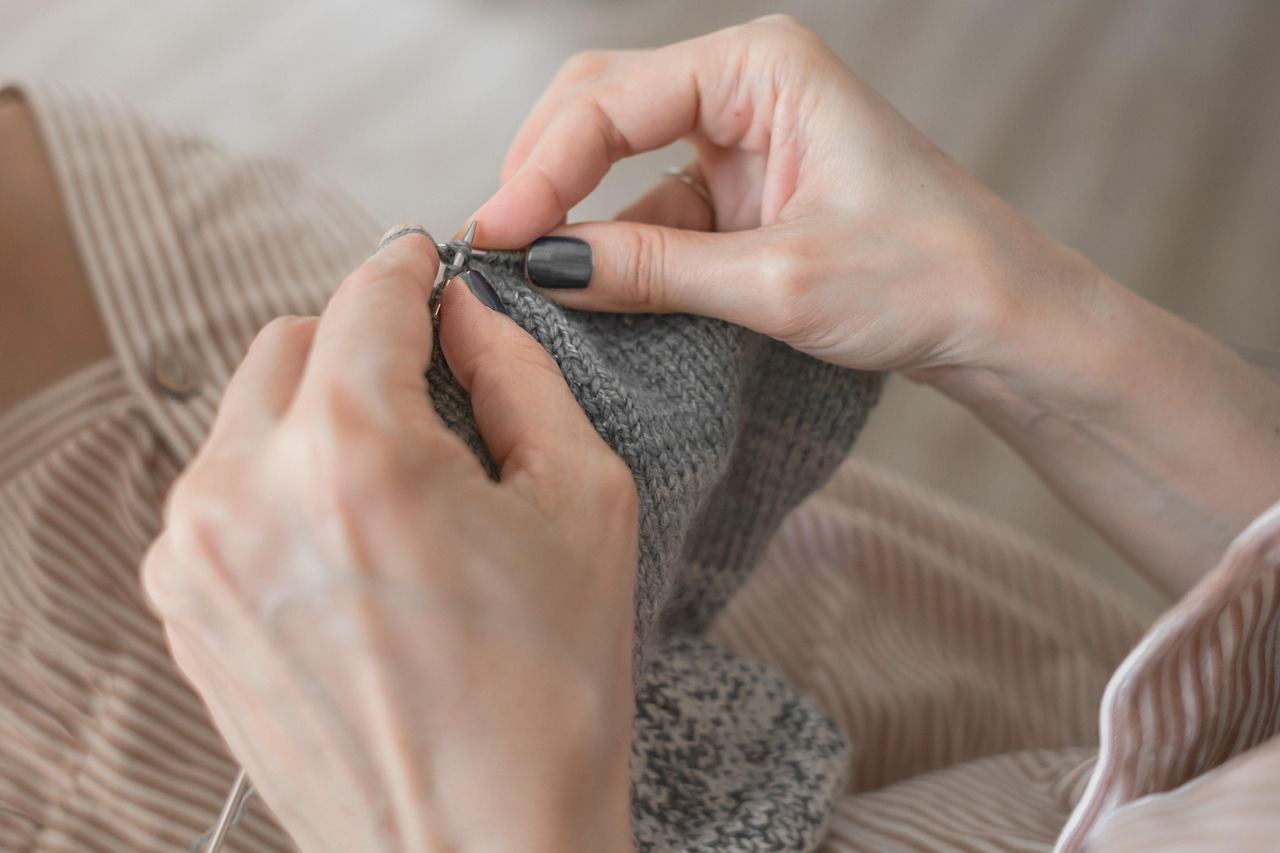
Knitting might seem like a calming grandma hobby, but its invisible complexities challenge even the most seasoned crafters—it's harder than it looks.
Learning knitting as a beginner involves mastering the technique of pulling loops of yarn through others, allowing you to build fabric row by row.
Unlike crochet (one hook, one active loop) or weaving (a fixed loom), knitting creates a stretchy, interlocked structure you construct entirely in your hands – no equipment required beyond the needles themselves.
In knitting, hobbyists hold two needles and use yarn to create fabric by forming interlocking loops, counting stitches and rows, and tracking tension as they build patterns like garter stitch or stockinette, allowing for gradual visualization of progress toward items such as scarves or blankets.
Knitting induces a flow state through its rhythmic, repetitive motions that require focus, offers immediate tactile feedback with visible progress, and provides a sense of accomplishment from completing wearable items, all while fostering creative expression through yarn and pattern choices.
You think knitting is something your grandmother did while watching soap operas. Slow, quiet, a little sad. For people who have given up on excitement.
That assumption is exactly wrong – and it's keeping you away from one of the few hobbies that's genuinely challenging to master.
Knitting appears simple, but its technical ceiling is surprisingly high. Experienced knitters manage tension, pattern logic, stitch count, and three-dimensional shaping simultaneously. The learning curve stays hidden until you try reading a real pattern.
A lace shawl pattern looks like someone sneezed punctuation onto a page.
Abbreviations like yo, ssk, k2tog tbl stacked six rows deep. Each one a tiny decision affecting ten rows later.
Nobody picks that up in a weekend. Nobody's supposed to. The meditative quality isn't just a consolation prize. It's the same neurological effect that makes musicians describe flow states.
Knitting isn't just a pastime. You're engaging with a craft backed by a century of technique. Next, let's see what starting out looks like.
Knitting looks effortless when others do it—a hypnotic dance of needle and yarn, creating patterns. Your first attempt won't feel like this.
It's more like trying to pat your head and rub your stomach at once, but nothing quite works right. Yarn gets tangled. Loops slip away. Your tension is a mess. It feels like you're wrestling with the materials instead of creating something.
Gradually, a rhythm emerges. Your hands start to remember. You can count rows and recognize the mistakes. Each progress feels monumental because it is—that's where the skill grows.
The first attempts can be ugly, slow, and frustrating. Using chunky yarn and 6mm needles from the start helps.You'll see your stitches better and feel less cramped. Those initial struggles aren't a failure—they're just part of getting there.
Let's dive into the common mistakes beginners make and how to avoid them next.
When to start: Morning
Duration: 1 hour
Cost to try: $20
Success criteria: If you cast on 10 stitches, knit one row and purl one row with even loops and no dropped stitches, do session 2.
Casting On Too Tight
Your brain says "secure the stitches" and your hands strangle them into concrete. Cast on over two needles held together, then pull one out – instant, consistent tension.
Starting With Skinny Yarn and Small Needles
Fingering weight and size 2 needles feel impressive to buy. Start with chunky or bulky yarn on size 10 needles so you can actually see what your stitches are doing.
Ignoring Gauge Swatches
It feels like homework before the fun part – so everyone skips it, and then their hat fits a cantaloupe. Knit a 4-inch square before your project, measure it against the pattern's gauge, and adjust needle size until the numbers match.
Dropping Stitches Without Knowing How to Fix Them
Most beginners don't realize a dropped stitch is recoverable – they just panic and unravel everything. Keep a crochet hook in your project bag and learn the one-minute ladder rescue on YouTube before you ever need it.
Knitting Every Row and Calling It Stockinette
Knit every row and you get garter stitch – ridged, wavy at the edges, and not what the pattern pictured. Stockinette is knit one row, purl the next – if your pattern says stockinette and you're only knitting, that's the problem.
Yarn stores are the heart of knitting communities. They often serve as gathering spots for local knitters to share projects and ideas.
Tell the group you're a beginner working on tension. You'll get expert help, useful advice, and maybe even a needle size tip you can trust.
Continental knitting involves holding the working yarn in your left hand and picking it rather than throwing. It's generally faster for most people once muscle memory forms. This is ideal for you if efficiency matters to you, and you're familiar with crocheting.
English style or "Throwing" is what most North American beginners learn first. The yarn is held in your right hand, wrapping around the needle with each stitch. This method is slower but forces deliberate motion, helpful when counting stitches. No need for special gear, it's all about technique.
Loom knitting swaps out needles for a plastic peg loom, avoiding pointy sticks and tension issues. Good for kids or those with dexterity challenges. But it limits what you can create.
Continental colorwork involves working with two yarn colors, usually one per hand, and carrying the unused strand across the back of the fabric. Master basic Continental first, as tension control is crucial.
Knitting in the round with Continental style works with circular or double-pointed needles for easy tubes like hats, socks, and sleeves. Great for beginners who want to avoid seaming. Circular needles cost $8–$20, and it's worth the investment.
Strings lives in the same world — different mechanics, similar appeal.
Some of the same instincts show up in Adult Coloring Books — worth a look if this clicked.
Mandala Coloring is a sibling pursuit and often surfaces the same kind of curiosity.
The real skill in knitting isn't neatness or consistency.
The key is reading your knitting. This means recognizing each stitch on the needle by its appearance.
Most beginners view knitting patterns as scripts they can't alter. But proficient knitters look at the fabric and see what comes next because the stitches guide them.
When you identify a knit from a purl just by its shape, you no longer lose your place after every pause.
Mistakes are caught immediately rather than discovered three inches too late.
You're not just fixing errors. You're building a visual library. Next, learn how this skill elevates more complex projects.
Commit to 8 sessions over 30 days, about twice a week for an hour each.
Move past the frustration of tangled yarn and see if knitting sticks. It's about repetition without feeling trapped in a time-sink.
If you're already planning your next project, that's not just excitement; it's the hobby taking hold. Dive into a new, slightly more difficult pattern while the interest is fresh.
If the sessions felt routine with no emotional drag or pull, try shifting the context. Join a knitting group or follow an online tutorial before deciding it's not your thing. The presence of others can reshape the experience.
If being there felt like a waste of time, that's clear feedback. Knitting is slow-paced and some people prefer activities with quicker feedback. No shame in acknowledging that reality.
You can't help but notice knitter's hands working in public—not the finished piece, just the deft motions. That's your sign that the process itself captivates you.
If knitting feels like too much to commit to right now, browse what to do when you're bored for lower-stakes ideas.
A simple scarf typically takes 2–4 weeks of regular knitting, while a blanket can take 2–3 months depending on size and complexity. The timeline varies based on how often you knit and the yarn weight you choose—thicker yarn moves faster than thin yarn.
You can start with a basic beginner kit for $15–$30, which includes needles and yarn. Quality improves as you invest more, but expensive materials aren't necessary when learning—focus on affordable yarn and comfortable needles first.
Most beginners can learn the basic stitches (knit and purl) within a few hours of practice. The first projects feel clumsy, but muscle memory builds quickly, and you'll be creating recognizable items within your first week.
Start with US size 8–10 needles and worsted or bulky-weight yarn, which are forgiving and fast to work with. Avoid thin yarn and small needles initially—they're harder to control and frustrating when learning.
Yes—knitting requires no previous crafting skills, just patience and willingness to redo rows if you make mistakes. Many people pick it up through YouTube tutorials and practice alone.
You only need knitting needles, yarn, and scissors—that's it. Optional but helpful additions include a yarn bowl, stitch markers, and a measuring tape, but these aren't essential for beginners.