BoredomBusted — Find Your Next Favorite Thing To Do
Discover hobbies, activities, places, and ideas that spark joy. Whether you're looking for something creative, active, social, or relaxing, BoredomBusted helps you find your next favorite thing to do.
Browse our hobby guides, things-to-do collections, and place ideas to never be bored again.
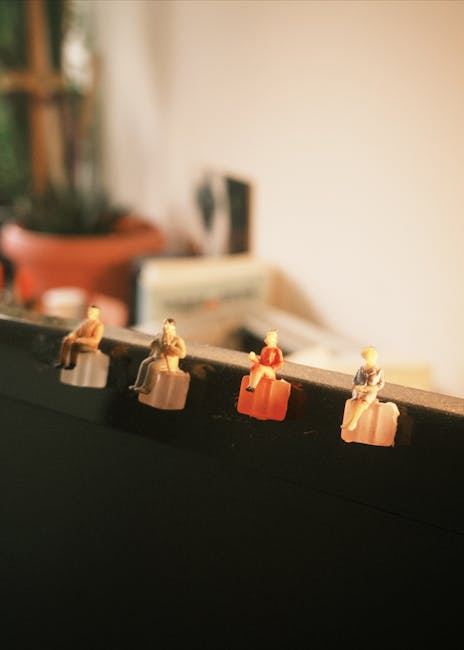
Miniature painting isn't just for fantasy fans—it's a practical skill that sharpens dexterity and color theory with real-world applications.
Getting started with miniature figure painting as a beginner involves mastering the techniques of applying fine layers of acrylic paint to small-scale models – typically 15mm to 35mm tall – using fine brushes and layered acrylic paint.
You build up color, shadow, and detail coat by coat.
Unlike model kits or dioramas, the focus is entirely on the figure itself – turning a blank piece of plastic or metal into something that looks alive.
In miniature figure painting, practitioners engage in precise brushwork on small-scale figures, applying thin layers of paint with deliberate strokes to create intricate details, colors, and textures. This involves controlling highlights and shadows, as well as building scenes or dioramas from found materials, all while developing fine motor control and problem-solving skills.
Miniature figure painting creates a flow state through intense focus on small details, allowing stressors to fade away. Practitioners experience incremental skill feedback as their abilities improve with each figure, fostering a sense of accomplishment and continuous engagement. The creative autonomy to personalize designs prevents habituation, while the perpetual learning curve keeps the activit…
You believe this is about capes and elf debates. Something for fantasy nerds. That thought is holding you back.
Miniature painting is about precision. Manuals dexterity like a watchmaker, minus the student loans.
Sessions end with a finish line. Start a skeleton archer, end with a felt sense of completion.
The fantasy aspect is just decor. You're training in the basics of fine art.
A graphic designer named Priya started for fun. Six months later, her commissions were in demand. Miniature painting made color theory click like never before. No big canvas needed.
The craft rewards you faster than you'd expect. In the next part, we explore the first steps into this world.
The first time you try painting miniatures, your expectations may clash with reality. Watching a skilled artist makes it look effortless. Slow, deliberate brushstrokes are deceptively smooth. Then, you're at the table – hands shaky, paint everywhere, and colors bleeding together.
Mistakes are common and part of learning. Overly thinned paint, uncontrollable bleeding, and knowing something looks wrong but not why are all hurdles everyone faces. As sessions pass, you'll notice small improvements, like steadier hands and colors gaining more depth.
Your first few weeks will be a rollercoaster of small victories and frustrations. Expect to over-thin your paint at first, making the figure's details mushy. Then, you'll find tools like drybrushing make surfaces pop in unexpected ways. Occasionally, highlights won't work, but layering over them until they're right becomes a skill in itself.
Switching away from painting directly from the pot can change everything instantly. Use a wet palette to keep your paint usable longer. Without it, paint dries too quickly on the brush, turning a single session into a fight against time rather than with brushwork.
You may ruin a figure and feel like quitting. But remember, improvement lies in pushing past these moments. Next, we'll dig into the mistakes that make people give up and how to navigate them.
When to start: Early morning
Duration: 1-2 hours
Cost to try: $20-$30
Success criteria: If you paint one miniature with two clean base colors and one visible detail area, do session 2.
Bare plastic and resin are slick – paint won't grip, and it starts flaking within days.
Spray or brush on a thin coat of dedicated miniature primer before touching a single color.
Beginners squeeze paint straight from the pot and hit the mini with it, which floods the detail and dries chalky.
Thin every paint with 1–2 drops of water until it flows like skim milk, not cream.
Drybrushing is fast and satisfying, so people reach for it first – but it leaves a dusty haze that ruins any wet blending done after.
Save drybrushing for the final highlight pass, after all your base colors and washes are completely dry.
Beginners shade toward the bottom and highlight toward the top by instinct, which looks flat on a tabletop under angled lights.
Pick one fictional light source before you start – say, upper-left – and apply every highlight and shadow relative to that single point.
Eyes feel like the most important feature, so they get attention on bare plastic – then every subsequent layer bumps and covers them.
Leave eyes until after all face shading is done, so you're touching clean, settled paint with a steady hand rather than fighting earlier layers.
Game stores and tabletop clubs are the hubs for learning miniature figure painting.
Start with Facebook Groups by searching "miniature painting [your city]" or "Warhammer painting club [your state]." They're active and local.
Games Workshop stores are listed at games-workshop.com. They host free painting nights and beginner sessions regularly.
Meetup.com has groups for "tabletop miniatures" or "Warhammer" – they're beginner-friendly and separate from game nights.
For forums, the r/minipainting thread on Reddit is excellent. It's pinned, updated annually, and sorted by region.
To connect quickly, walk in with: "I just started and I have no idea what I'm doing – can I watch?"
That one line gets you a seat, tips on brush technique, and maybe a spare pot of base coat.
One coat does most of the work — contrast paints flow into recesses and create shading automatically, skipping traditional steps. You lose some detail control, but models get finished faster than the full technique.
Great for those starting out who want figures completed quickly.
This approach prioritizes historically accurate vehicles, soldiers, and dioramas over fantasy or sci-fi figures. Bold colors give way to realistic weathering — rust, mud, chipped paint, dust.
Ideal for those interested in history or realism. Expect to budget an extra $20–40 for supplies like weathering powders and enamel washes.
Every detail is precise — no shortcuts. Each transition is blended with patience measured in hours per figure.
Perfect for those who see models as sculptures and have moved past army building. High-quality brushes and paints are essential, with costs around $60–100.
You're invested in a few personal characters, not an entire army. This emotional investment can drive dedication or make mistakes frustrating.
Perfect for tabletop RPG enthusiasts who want personal characters on the table.
Airbrushes replace brushes for quick basecoating. They lay down smooth coats and gradients before details are added by hand.
Best for avid hobbyists looking to speed up processes. Starter kits are $50–120, so wait until you're sure about your commitment.
Readers who enjoy this often gravitate toward Macrame next.
If you want a related angle, Tailoring is the natural next stop.
If this resonates, Textile Crafts explores a similar direction.
Most beginners obsess over brush control – steadier hands, finer lines, cleaner edges.
The brush isn't the problem.
The light source is.
Pre-shading to a single imaginary light source before you touch any color is the key skill.
Pick one direction – top-left is the classic – and apply every shadow, highlight, and midtone in relation to that fixed point, not just wherever the surface happens to be.
Without a committed light source, figures end up evenly lit from all angles.
That's the opposite of what real light does.
It's why painted minis look flat even when the brushwork is clean.
Locking in that light direction turns colors into form. The figure suddenly looks three-dimensional from across a table.
Try it out and see the magic for yourself.
Thirty days. Six sessions. Spread them out to keep the momentum without burning out.
Hooked already? You're mixing colors in your head between sessions, or watching tutorials at 11pm just for fun. That's passion. Set up a dedicated painting space and choose your next project thoughtfully.
Indifferent? You finished the sessions but didn't feel much either way. This might mean you're painting the wrong genre or style. Give it a few more sessions but change things up – like switching from fantasy characters to space marines.
Dreading the brush? If your resistance isn't just nerves but genuine dread, it's a fit issue. Miniature painting rewards those who love focus. If that doesn't sound like you, it's time to explore something else.
The undeniable sign: You can't stop browsing galleries of painted minis online for the pure craft of it.
Not sure miniature figure painting is for you? The full hobby list covers everything else worth considering.
When you don't want to commit, things to do when bored is a better starting point.
You can start with a basic beginner kit for $30–$50, which includes essential brushes, a few acrylic paints, and primer. As you progress, investing in higher-quality brushes, specialty paints, and tools can range from $100–$300, but you can develop your skills affordably before making bigger purchases.
Essential supplies include small brushes (sizes 0–1), acrylic paints, primer (spray or brush-on), a wet palette, water cups, and minifigures to paint. A hobby knife, fine-tip markers, and a magnifying glass are helpful but not required for beginners.
A basic miniature with foundational colors takes 1–3 hours, while a detailed figure with layering, highlights, and special effects can take 8–20 hours or more depending on your skill level and desired complexity.
It's accessible but requires patience and steady hands—most beginners can achieve decent results within the first few sessions. The learning curve is gradual; you'll improve significantly with practice, and mistakes on small figures are less noticeable than on larger canvases.
Acrylic paints specifically designed for miniatures (like Citadel, Vallejo, or Army Painter) work best because they're highly pigmented and dry quickly without pooling. Avoid regular craft acrylics, as they're too thick and won't capture fine details.
Yes, you can start with basic brushes, household containers for water, and improvised lighting, though dedicated hobby tools improve precision and results. A magnifying lamp and quality brushes are worthwhile investments once you decide to continue the hobby seriously.