BoredomBusted — Find Your Next Favorite Thing To Do
Discover hobbies, activities, places, and ideas that spark joy. Whether you're looking for something creative, active, social, or relaxing, BoredomBusted helps you find your next favorite thing to do.
Browse our hobby guides, things-to-do collections, and place ideas to never be bored again.
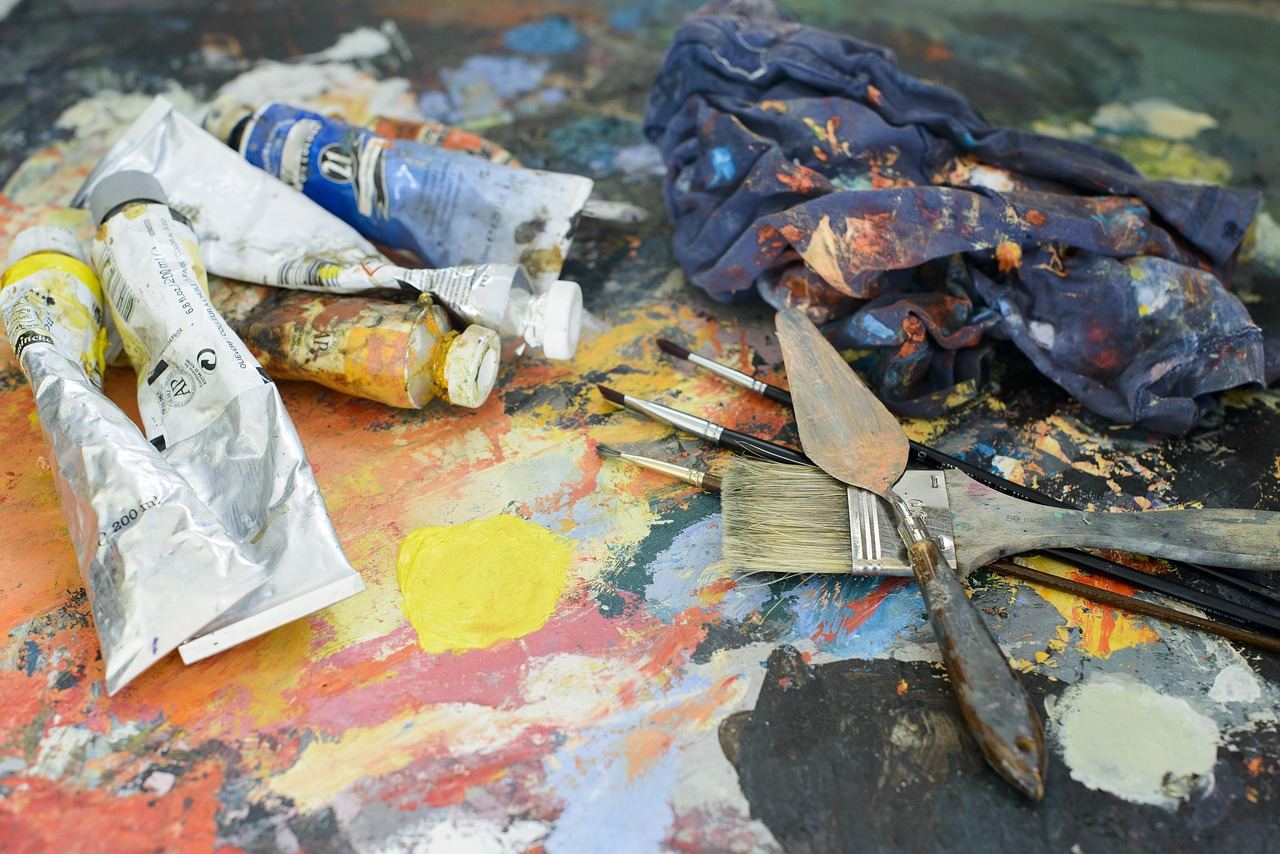
The biggest myth in painting is that talent is innate; even the greats started with frustrating experiments and learned through practice.
Getting started with painting as a beginner often feels daunting, yet it allows for a free exploration of colors and forms without the pressure of perfection. But initially, it's more about discovering what colors and lines can do. Your first attempts will be messy. That's where you start truly seeing like a painter.
Painting isn't replication; it's about personal exploration. It's your journey with color, shape, and texture. Whether your path lies in realism or abstraction, both paths lead to growth
Choose your medium: acrylics, oils, watercolors, or gouache. Each offers unique challenges and benefits. Set your canvas, pick your palette, and start painting. The process may be planned or freeform, depending on your style and goals.
Start your session by arranging a comfortable workspace with adequate light. Some artists sketch their ideas first. Others dive right into the paint. Think of this as training your eyes to perceive depth and color interactions more deeply
In painting, you apply pigments to surfaces like canvas, paper, or walls using brushes, sponges, or other tools. The goal can be realistic depiction, abstract representation, or anything in between.
Painting engages both your hands and your mind, providing a creative outlet that can be deeply satisfying. It requires focus, which can help shift your mind away from daily stresses and into a more meditative state.
You might think painting is a gift you either have or you don't. If you can't draw a perfect circle right away, forget it—art's not for you.
Painting is like any other skill—learned through practice. Van Gogh didn't start with masterpieces; he began with basic exercises and lots of trial and error.
Talent is a slippery notion. Sure, some might lean towards visual arts naturally, but dedication turns effort into skill. Success comes from practice, study, and experimentation. All painters face frustration, especially at the start.
Mistakes are part of learning. Each session with the canvas teaches you something new about composition, color theory, or brushwork.
Every stroke builds patience and problem-solving skills.
Picture a concept. Plan it out. Make adjustments on the fly. This flexible thinking makes you better at art and life. Soon, you'll realize you're capturing thoughts and emotions visually.
At first, you'll meet your materials face-to-face. Acrylics dry fast, making them good for layering but tricky for blending. Oils stay wet, offering flexibility but testing your patience. Watercolors demand a gentle touch because they are less forgiving than you might expect.
You'll dive into basic exercises like color mixing and creating gradients. Expect a bit of chaos—paint on your hands and maybe a few splatters. **Messiness is just the start of your journey.
As you enter the third week, prepare for a challenge. Frustration might spike as your skills lag behind your ideas. But feeling stuck is part of how you grow—this is where you learn persistence.
Even while navigating these hurdles, small improvements will sneak in. Your next step: mistakes that keep you from progressing.
When to start: Any afternoon
Duration: 1 hour
Cost to try: $20
Success criteria: If you feel a sense of accomplishment or curiosity after your first session, plan a second session.
Beginners often put too much paint on their brushes. It's easy to get carried away with excitement and not know how much to use. Load just enough paint to cover the bristles without clumping. Practice wiping off excess on your palette.
Dipping a brush straight into paint leads to unexpected colors. Many don't spend enough time mixing their paints. Mix colors thoroughly on your palette first. This builds a more nuanced and effective color range.
Eagerness to finish often results in rushed, sloppy paintings. Details get overlooked. Take your time with each layer and let it dry or set properly. Embrace every step of the process.
Fear of mistakes makes your work overly careful. Creativity suffers. Mistakes are a vital part of learning. Experiment freely; errors can lead to surprising breakthroughs.
Failing to clean brushes shortens their life and muddies colors. Wash brushes thoroughly after each session. Use soap and water for water-based paints, solvents for oils. It improves both your tools and your art.
Look for local art classes. Libraries and community centers are great places to start. Workshops here are friendly and perfect for beginners.
Meetup is your go-to for local painting groups. Search 'art', 'painting', or 'watercolor' to find events that fit your style.
Facebook groups and Instagram hashtags are essential. Engage with painters for feedback and ideas, no matter where you live.
Online courses on Skillshare or Udemy often include community features like forums. Tap into group critiques to enhance your learning experience.
The National Art Education Association is a key player. Their resources and networking events cater to artists at all stages.
Entering a new group? A smart opener is, 'I'd love to learn more about your painting process.' This sparks conversation and interest from others.
Watercolor painting is your go-to. It's fluid and unpredictable, offering a spontaneous style without the control of oils or acrylics.
Great if you enjoy fast-drying mediums, and don't mind surprises.
Acrylic painting is versatile and a favorite for beginners. It dries quickly and is easy to use, letting you work fast and mix media easily.
Ideal for those who like speed and experimentation.
Oil painting is for you. It's known for rich colors and slow drying, so it's perfect for detailed work and complex blending.
Suits those who have patience for layering and revisiting their work.
Gouache is your choice. Like watercolor but more opaque, it offers vibrant colors.
Perfect for illustrators and designers wanting flat, even color.
Abstract painting lets you focus on shapes, colors, and forms. It's about breaking away from traditional composition.
Best for unleashing creativity without constraints.
For something adjacent, see Hand Building Pottery.
Origami lives in the same world — different mechanics, similar appeal.
Wheel Throwing lives in the same world — different mechanics, similar appeal.
Understanding and manipulating color can change everything in painting.
It affects mood, depth, and realism. Without mastering it, your artwork might seem flat or discordant. This foundational skill creates both harmony and contrast, influencing the viewer's perception and emotional response.
Mix primary colors to form a color wheel, and you'll see how colors relate and interact. This exercise isn't just about creating a tool. It's about developing an eye for balance and contrast through hands-on practice.
Dive deeper with value scales. Paint gradients using a single color mixed with white or black. Notice subtle shifts in lightness and darkness, which are key for realistic rendering.
Experiment with the same subject in different color schemes like monochromatic or complementary. This challenges your creativity and shows how color shifts alter scene perception.
By mastering color, you improve technique and express complex ideas and emotions in your art.
Three signs painting is for you: You catch yourself studying how light falls on objects — noting colors in shadows, the way a highlight shifts a surface. You feel time disappear during a session rather than watching the clock. You want to return to a piece the next day, not to fix it, but to keep exploring.
Three signs it isn't: You only want the finished piece, not the process of making it. Ambiguity frustrates you — you'd rather have clear right/wrong answers than judgment calls about color and composition. You need visible progress each session; painting often moves backward before it moves forward.
The one signal to walk away: You finish a session and feel nothing about what's on the canvas — no curiosity, no irritation, no pull to look at it again.
For a wider menu of options, see our list of hobbies.
If painting feels like too much to commit to right now, browse what to do when you're bored for lower-stakes ideas.
Initial costs can be around $50 for basic supplies like paints, brushes, and canvases. Prices can rise with higher-quality materials.
Begin by choosing a medium, such as acrylic or watercolor, and start with simple exercises to get used to the tools.
Start with 1–2 hours a week and adjust as you become more comfortable and ambitious with your projects.
Painting can be challenging, but starting with basic techniques and simple projects can make it manageable and rewarding.
Drawing skills are not essential; painting can be abstract or focus on colors and patterns rather than realistic depictions.
Acrylics are beginner-friendly due to their quick drying time and versatility. Watercolors offer a different challenge with their fluidity.