BoredomBusted — Find Your Next Favorite Thing To Do
Discover hobbies, activities, places, and ideas that spark joy. Whether you're looking for something creative, active, social, or relaxing, BoredomBusted helps you find your next favorite thing to do.
Browse our hobby guides, things-to-do collections, and place ideas to never be bored again.
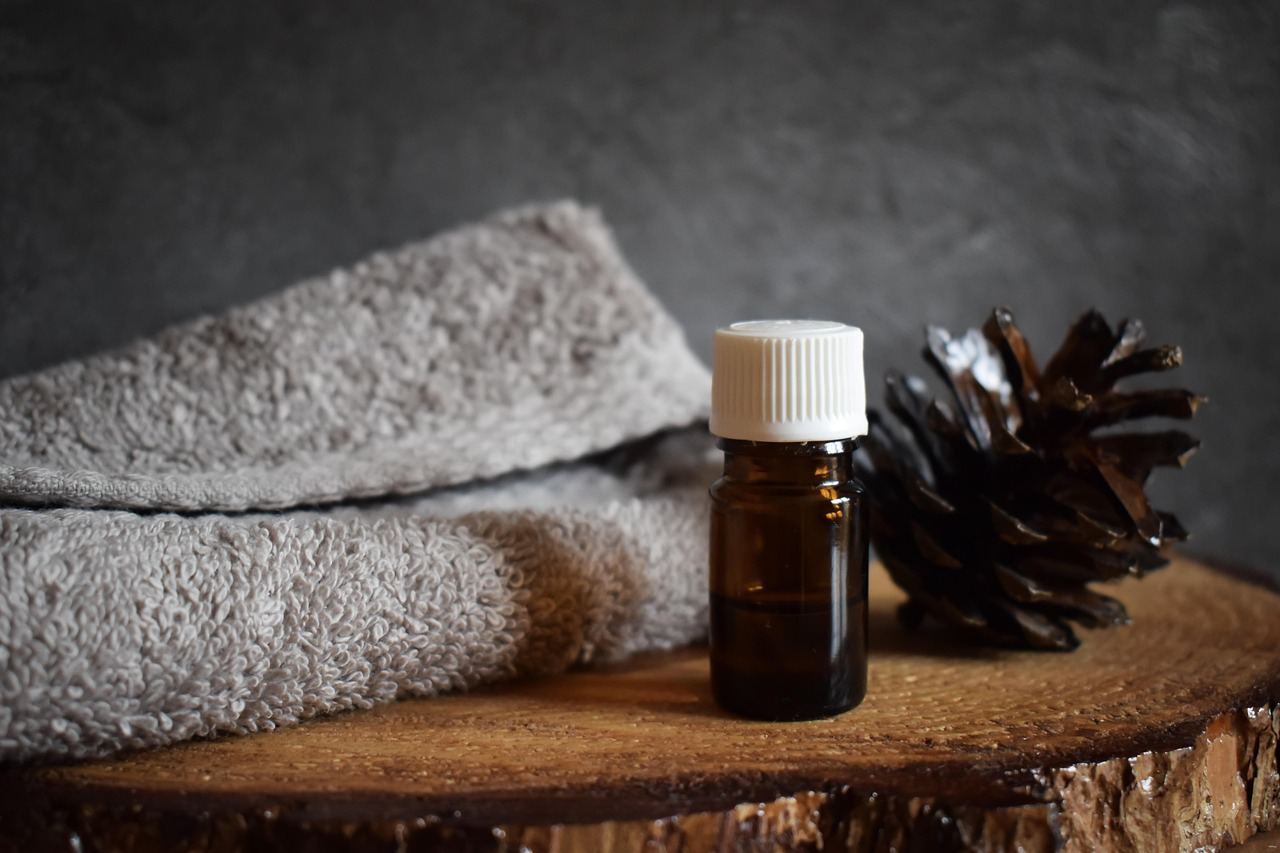
Perfume making isn't just about creating scents—it's a narrative-driven journey that immerses you in a flow state of creativity and instant gratification.
Getting started with perfume making as a beginner involves understanding the basics of blending aromatic ingredients like fragrance oils and essential oils to create your own unique scent.
You combine top, middle, and base notes in a carrier like alcohol or oil, then let the blend mature over days or weeks.
Unlike candle-making or soap crafting, the final product is invisible – you're designing pure sensory experience, nothing else.
In perfume making, hobbyists blend essential oils and aroma compounds by measuring precise ratios, creating unique fragrances through hands-on evaluation and iterative reformulation. This involves defining a scent profile, weighing ingredients, mixing them in glass beakers, and testing their scents on strips over a resting period, ultimately resulting in a wearable perfume after several days of m…
Perfume making fosters creative expression through personal narrative-driven scent creation, inducing a flow state as practitioners engage deeply in the meticulous blending process. This hands-on activity provides immediate feedback via scent evaluations, enabling rapid adjustments that enhance skill and create a tangible sense of accomplishment, while the novelty of experimenting with diverse in…
You think perfume making is mixing a few nice-smelling things together until you get something you'd actually wear. That's the assumption keeping many from starting—or quitting in frustration after a week.
Fragrances have layers: top, heart, and base notes. Each behaves differently, and understanding them is essential.
You're training your nose like a musician trains their ear. It feels random, but you're building a scent library.
Chemistry isn't just a bonus—it's crucial. Why some materials fix a scent to skin while others vanish matters.
A perfumer working a small market stall in Grasse doesn't guess. She smells a strip, waits four minutes, smells again. She knows the alcohol is still burning off, and what she's smelling isn't the finished product.
That four-minute pause is a learned instinct. You'll develop it too, faster than you expect.
You don't need a lab or a French grandmother to start.What you do need—materials, tools, and your first real decisions—comes next.
Watching someone blend a perfume online looks effortless. A few drops here, a gentle swirl, and descriptions of amber and vetiver emerge with ease. Your first session will not echo this. It might resemble the scent of a gas station bathroom, leaving you puzzled.
Everything starts to smell the same after the first hour. Olfactory fatigue can make you doubt if your blend is beautiful or broken. It's normal to feel overwhelmed by your nose's limitations, but it's all part of the process.
Your nose fatigues quickly, leading fragrances to blur together. This is olfactory fatigue, and it surprises many at first. Don't worry, you're not alone in this experience.
You'll find that some blends smell promising when wet, but lose their magic once they dry down on skin. Deciding which stage to trust can be confusing at first.
Keep detailed notes. Not because someone instructs you, but because you'll want to recreate a lost favorite blend. Document everything before it fades.
Unexpected combinations might suddenly work, making all your efforts worthwhile. It often starts with just two or three materials clicking together.
Start with simple accords of three materials max. Most beginners dive into complex compositions too soon and get overwhelmed. Learn the roles of each ingredient first.
When to start: Morning
Duration: 1 hour
Cost to try: $20
Success criteria: If you blend 3 oils into a labeled test vial with a recorded drop count and a scent you’d wear again, do session 2.
The allure of large sample sets leads many beginners to overbuy. They often don't know what scents they like or how the materials behave yet.
Start with a small sampler of 5–8 oils. Smell them on strips after 24 hours before expanding your collection.
Newcomers judge a scent too quickly. A perfume's character shifts drastically from the initial spray to hours later.
Test blends on your skin and wait to evaluate scents after 30 minutes, 2 hours, and even the next morning.
Beginners often measure by drops, but droppers differ. '10 drops' can mean different things depending on the bottle.
Use a milligram-accurate scale. Record each ingredient in grams for repeatable blends.
Top notes like citrus evaporate quickly, leaving blends unbalanced if added last.
Create your formula from the base up. Let it rest for 48 hours, then tweak top notes based on how they fade.
Fragrance oils and essential oils behave differently. They interact with alcohol uniquely and have varied safety guidelines.
Consult IFRA guidelines and supplier data on safe-use limits for every material before formulating.
Perfume making is usually a home-based activity, but workshops do pop up in craft studios, perfume boutiques, and community maker spaces.
Searching Facebook Groups is a great starting point. Try looking for "perfumery community [your city]" or "natural perfumery [your state]" to find people eager to share materials and advice.
On Meetup.com, use the keyword "perfume making workshop" and filter by your metro area for local gatherings.
Visit naturalperfumers.com for the Natural Perfumers Guild. They list teachers hosting local and online workshops.
Eventbrite is another resource. Search for "fragrance blending class" to join in small, interactive workshops of 6-10 people.
When you attend, simply say, "I'm a complete beginner – I don't even know what a top note is yet."
This honest admission will help you connect with patient mentors and get started on the right foot.
EDTs have a lower fragrance concentration (5–15%) compared to true perfumes. This means your mistakes cost less and your blends dry down faster for testing.
Ideal for beginners seeking a real, wearable product. You get more forgiveness and spend less on fragrance oils per bottle due to dilution.
Solid perfumes use a wax or oil base instead of alcohol. Expect a balm-style product with a more subtle throw and longer skin contact.
Great for those who find alcohol-based perfumes too sharp or want to avoid sourcing denatured alcohol.
This involves working with essential oils, absolutes, and resins, excluding synthetic aroma chemicals. The palette is smaller and the costs are significantly higher.
Perfect for those who feel synthetics are cheating, though it's pricey—jasmine absolute may cost $50 for a few grams.
Focus on one dominant scent with a simple base to enhance its longevity. There is no blending complexity.
Ideal for beginners who want quick results without the hassle of building accords.
This approach overlaps with aromatherapy, where scent serves a specific purpose—like enhancing sleep or focus. You still consider the top/middle/base note structure.
Best suited for those wanting useful scents before getting into fashionable fragrances.
A close neighbor worth considering: Leathercraft.
A close neighbor worth considering: Fantasy Illustration.
Another variant that pulls from the same roots is Paper Crafts.
The breakthrough skill in perfumery is olfactory sequencing. It's about mentally tracking a fragrance's evolution over time, predicting which notes will lead at each stage — opening, heart, and dry-down — before blending.
Not just trusting initial impressions. Knowing that your bergamot will vanish in 20 minutes leaving the vetiver exposed is key. The question is whether that's the effect you want.
Blending without sequencing means crafting a fragrance for that initial impression. But what about an hour later? Most perfumes fail because they collapse before lunchtime.
Sequencing ensures you intentionally create a journey, not just a moment of allure.
Next up, explore which fragrance families demand the most careful sequencing for a professional finish.
Commit to 6 sessions over 30 days. Spread them out every five days. This lets you rest blends, smell them cold, then again later. You're learning when you notice reactions change.
If you find yourself returning to smell test strips just for pleasure, that's more than curiosity. You've got the drive that could make you great at this. Start expanding your materials list and keep a scent journal.
If the sessions went well but left you indifferent, you might like the idea of perfumery more than the reality. Try focusing on single-ingredient exploration for another month before you decide. If nothing changes, it's okay to move on.
If smell fatigue and precision felt unbearable, that's a clear sign. It's not about patience but fit. Pushing further won't change that.
The real signal is when you think about how a fragrance is made, not just how it smells. That's the analytical nature of a true perfumer.
For a wider menu of options, see our list of hobbies.
When you don't want to commit, things to do when bored is a better starting point.
A basic starter kit with essential oils, alcohol, bottles, and blending tools typically costs $50–$150. You can begin affordably by purchasing individual ingredients incrementally, though investing in quality oils and proper equipment will improve your results over time.
You can blend a basic fragrance in 30 minutes to an hour, but the aging process is crucial—letting your creation sit for 2–6 weeks allows the scent to mature and develop its full character. Most perfumers recommend patience for the best results.
Essential items include essential oils or fragrance compounds, carrier oils, perfumer's alcohol, glass bottles, droppers, measuring tools, and blending containers. You may also want labels, funnels, and a notebook to record your recipes and experiments.
No—perfume making is very beginner-friendly and requires no special skills or chemistry background. Starting with simple recipes and understanding basic scent families (floral, woody, citrus) gives you the foundation to experiment confidently.
Yes, but pure essential oils are highly concentrated and expensive, so most perfumers blend them with carrier oils or alcohol to create wearable fragrances at a reasonable cost. Fragrance compounds and absolutes expand your options and offer better value.
Quality depends on your ingredients, proper blending ratios, and adequate aging time—typically 4–6 weeks. Your finished perfume should have good longevity (lasting 4+ hours on skin), a balanced scent profile without harshness, and a pleasant finish as it dries down.