BoredomBusted — Find Your Next Favorite Thing To Do
Discover hobbies, activities, places, and ideas that spark joy. Whether you're looking for something creative, active, social, or relaxing, BoredomBusted helps you find your next favorite thing to do.
Browse our hobby guides, things-to-do collections, and place ideas to never be bored again.
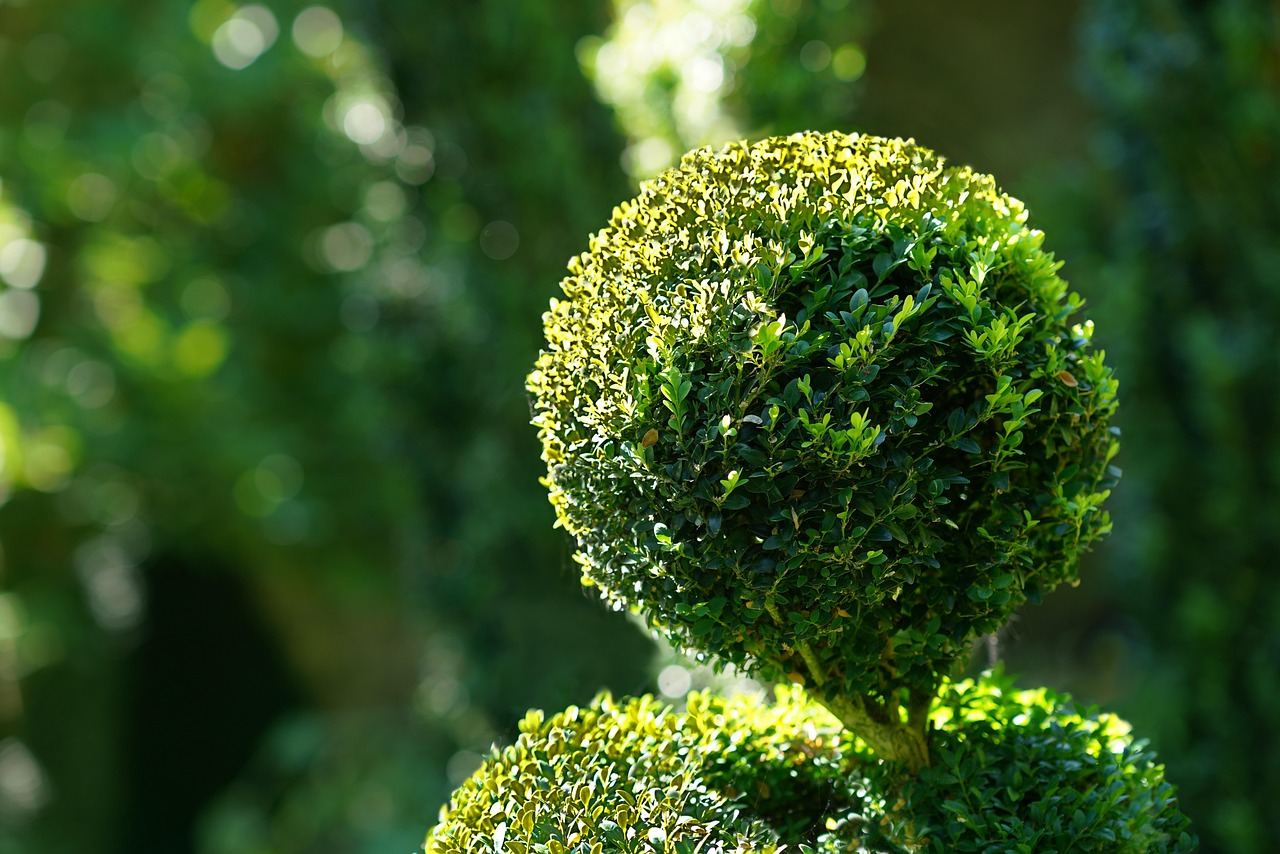
Topiary isn't just for grand estates; it starts with small plants that teach spatial reasoning and patience, all for under $40.
Learning topiary gardening as a beginner involves understanding the art of shaping shrubs and trees into defined forms through intentional pruning techniques. – geometric, sculptural, or figurative – through deliberate pruning over time.
Unlike general gardening, you're not cultivating plants to grow freely; you're imposing a permanent structure onto something alive, then maintaining that structure as the plant continuously tries to outgrow it.
In topiary gardening, you select plants like rosemary or conifers, prune them with shears to shape them into intricate designs such as animals or spirals, and maintain their structure through consistent care like watering, mulching, and light trimming throughout the year.
Topiary gardening engages practitioners through skill feedback loops, where immediate visual results from pruning foster confidence, and it induces a flow state via focused, repetitive tasks that reward patience and planning over time, all while allowing for creative expression in shaping living sculptures.
You think topiary is for estates with peacock hedges and a groundskeeper named Gerald. It's the hobby people picture on BBC period dramas – not something you'd actually do.
That assumption is costing you one of the most tactile, meditative, and genuinely skill-building things you can do with your hands outside.
A woman in a third-floor apartment in Leeds started with a single rosemary plant in 2019. By year two she had six container topiaries shaped into tight spheres and spirals – photographed and shared widely enough that she now sells shaped plants locally.
No garden. No Gerald.
The skill is learnable fast, and the materials are already at your nearest nursery.
Next up – what your first real session actually looks like.
Watching someone sculpt a perfect spiral from an overgrown shrub looks meditative. Calm hands, confident cuts, a shape that emerges like it was always there.
Your first session will feel nothing like that.
Before: Excited to shape something. Confident you see the form. Shears in hand. Ready.
After: Uneven cuts everywhere. One side shorter than the other. Not sure what you're looking at. Definitely not a spiral.
Too slow.
Too uneven.
Nothing like the YouTube version.
That's not failure – it's just what the learning curve looks like when the feedback is a living plant that can't be ctrl-Z'd.
Before your first session, start on a plant you don't care about – a fast-growing boxwood or privet, not the ornamental centerpiece of your garden.
Topiary punishes sentimental attachment early. Save the good shrubs for when your hands know what your eyes are seeing.
When to start: Early morning
Duration: 1.5 hours
Cost to try: $20
Success criteria: If you shape one evergreen into a clean cone or ball and the wire guide holds its outline when you step back, do session 2.
New topiaristsgrab hedge trimmers because they look like the right tool – and they are, eventually, but not first.
Use hand shears for all shaping work until your form is established, so you're making decisions cut by cut, not sweeping through growth you can't undo.
Boxwood and yew are the classics, so beginners buy whatever's available at the garden center – which is often privet, laurel, or something equally vigorous that doubles in size before you blink.
Choose a slow-growing species like boxwood or Japanese holly for your first piece– slower growth means more forgiveness and more time between sessions to actually see what's happening.
The instinct is to sculpt the finished form right away, but a plant needs density before it needs definition.
Let your subject grow 20–30% beyond your intended final size, then cut back into it – this gives you a full, tight surface instead of a sparse silhouette with gaps.
Beginners shape from one angle, step back, and think they're done – then see the whole other side looking like a different sculpture entirely.
Walk a full circle around the plant after every five cuts, treating your shears as a tool you put down more than you pick up.
Most beginners cut whenever the shape looks ragged, which often means cutting just before a flush of new growth that immediately blurs all their work.
Trim in late spring after the first growth flush hardens off, then again in late summer – two clean sessions a year beats six reactive ones.
Topiary is practiced in private gardens, botanical gardens, and public parks — anywhere a shrub has been left alone long enough to become a canvas.
Tell the group leader you've never shaped a plant before and you're still figuring out your tools.
That one sentence usually gets you a mentor pairing, a plant to practice on, and someone talking you out of buying the wrong shears — which alone is worth showing up.
Cloud Pruning (Niwaki) strips branches down to layered pom-pom clusters. It looks minimal, but demands serious patience and a good eye for negative space.
You'll need bypass hand pruners and a willingness to commit months before it looks intentional rather than abandoned. Best for people who want sculptural results without wrestling an entire hedge into a geometric shape.
Geometric hedge topiary — boxes, cones, spheres cut into yew or boxwood — is the most forgiving entry point because straight lines hide small errors better than anything freeform. A decent pair of electric hedge trimmers ($40–$80) gets you most of the way there.
Wire frame topiary trains a plant over a pre-made metal frame, letting it fill the shape rather than cutting it in. The frame does the thinking for you — which makes this genuinely beginner-friendly in a way that freehand pruning never is. Frames run $15–$60 depending on complexity; creeping fig and ivy are the easiest plants to start with.
Espalier is technically its own discipline, but topiary gardeners end up here eventually. It trains trees or shrubs flat against a wall or trellis in structured, almost architectural patterns — the right call when you have a sunny fence but no room to grow outward.
Expect more structural support and consistent tying than standard pruning work. This isn't a set-it-and-forget-it variant.
Bonsai-influenced container topiary is miniature topiary grown in pots, styled with visible trunk movement and tight canopy control. It bridges topiary and bonsai without requiring bonsai's near-spiritual time commitment — and it's the only variant here that actually fits a small urban space.
Some of the same instincts show up in Wildflower Gardening — worth a look if this clicked.
Some of the same instincts show up in Herb Gardening — worth a look if this clicked.
A close neighbor worth considering: Container Gardening.
Topiary gardening requires one key skill that many beginners overlook.
Most beginners obsess over shears – which ones, how sharp, how often. But the tool is never the bottleneck – reading the growth plane before you cut is.
Silhouette sighting: stepping back, closing one eye, and identifying the plant's dominant growth direction before touching it with anything sharp.
You're not trimming what's there – you're cutting toward a three-dimensional shape that only exists in your head, which means you need to project that shape onto the plant before the blade moves.
When you develop this, you stop making reactive cuts and start making architectural ones – each trim builds toward the form instead of just cleaning up the last mistake.
Without it, you're always one session behind, chasing asymmetry you created two weeks ago instead of locking in the shape you actually want.
Commit to 6 sessions over 30 days — roughly one and a half per week, spaced enough to actually observe change between visits rather than just react to it.
That's enough time to move past the awkwardness of holding shears for the first time, without locking you into anything. Six sessions gives you a real shape forming — not just a vague memory of poking at a shrub.
If you're finding reasons to go check on the plant between sessions, that's the signal. Topiary rewards obsessive noticing — and that compulsion showing up this early means you're already wired for it. Start a simple pruning log and move to a faster-responding plant like privet for your next subject.
If you did all six sessions and feel basically nothing, the pace is probably wrong for you rather than the hobby itself. Try three more sessions on privet before deciding — if neutral stays neutral, that's a clean answer.
If you actively resented every minute of standing there pruning millimeters off something that won't look different for six weeks, that's not a patience problem — that's information. Some people need feedback loops measured in hours, not months. Honor that.
You keep stopping in front of sculpted hedges when you're out walking. Not admiring them — studying them, wondering how the spiral was started, noticing where the pruner made a mistake on the third tier. That low-level forensic curiosity is the actual prerequisite for this hobby.
No access to outdoor space or a large container setup is a real wall. This isn't an apartment-balcony hobby without serious workarounds, and the workarounds are expensive.
Repetitive wrist or shoulder injuries make sustained shear work a real problem — precision cutting while fatigued is how shapes get ruined and hands get hurt. This isn't a push-through-it situation.
If your schedule runs more chaotic than structured, topiary will punish you for it. Miss the right pruning window by three weeks and a year's progress softens into a blob. The plants don't wait.
When you don't want to commit, things to do when bored is a better starting point.
Basic topiary shapes like cones or spheres typically take 1–2 years to develop, while more complex designs can require 3–5 years or longer depending on the plant species and your skill level. Patience is essential—topiary is a gradual art form that rewards consistent pruning and maintenance over time.
Boxwood, privet, and bay laurel are ideal starter plants because they're slow-growing, respond well to pruning, and hold their shape easily. Avoid fast-growing plants initially, as they require more frequent trimming and are less forgiving of mistakes.
You can begin with basic tools (pruning shears, a wire frame, and gloves) for $30–$75, plus the cost of young plants ($10–$30 each). Initial investment typically ranges from $75–$150, though expanding your collection and investing in advanced tools will increase costs over time.
Most topiary requires pruning every 4–8 weeks during the growing season (spring through summer) to maintain shape and encourage dense foliage. Frequency depends on the plant species and how quickly it grows—faster-growing varieties need more frequent trimming.
Topiary is moderately challenging but absolutely achievable for beginners if you start with simple shapes and hardy plant varieties. The key is understanding basic pruning techniques and committing to regular maintenance—mistakes aren't permanent since plants continue to grow and can be reshaped.
Topiary grows well in both containers and garden beds, making it flexible for any space—from small patios to large landscapes. Container-grown topiary is easier to move, adjust for sunlight, and manage, though it requires more frequent watering than in-ground plants.