BoredomBusted — Find Your Next Favorite Thing To Do
Discover hobbies, activities, places, and ideas that spark joy. Whether you're looking for something creative, active, social, or relaxing, BoredomBusted helps you find your next favorite thing to do.
Browse our hobby guides, things-to-do collections, and place ideas to never be bored again.
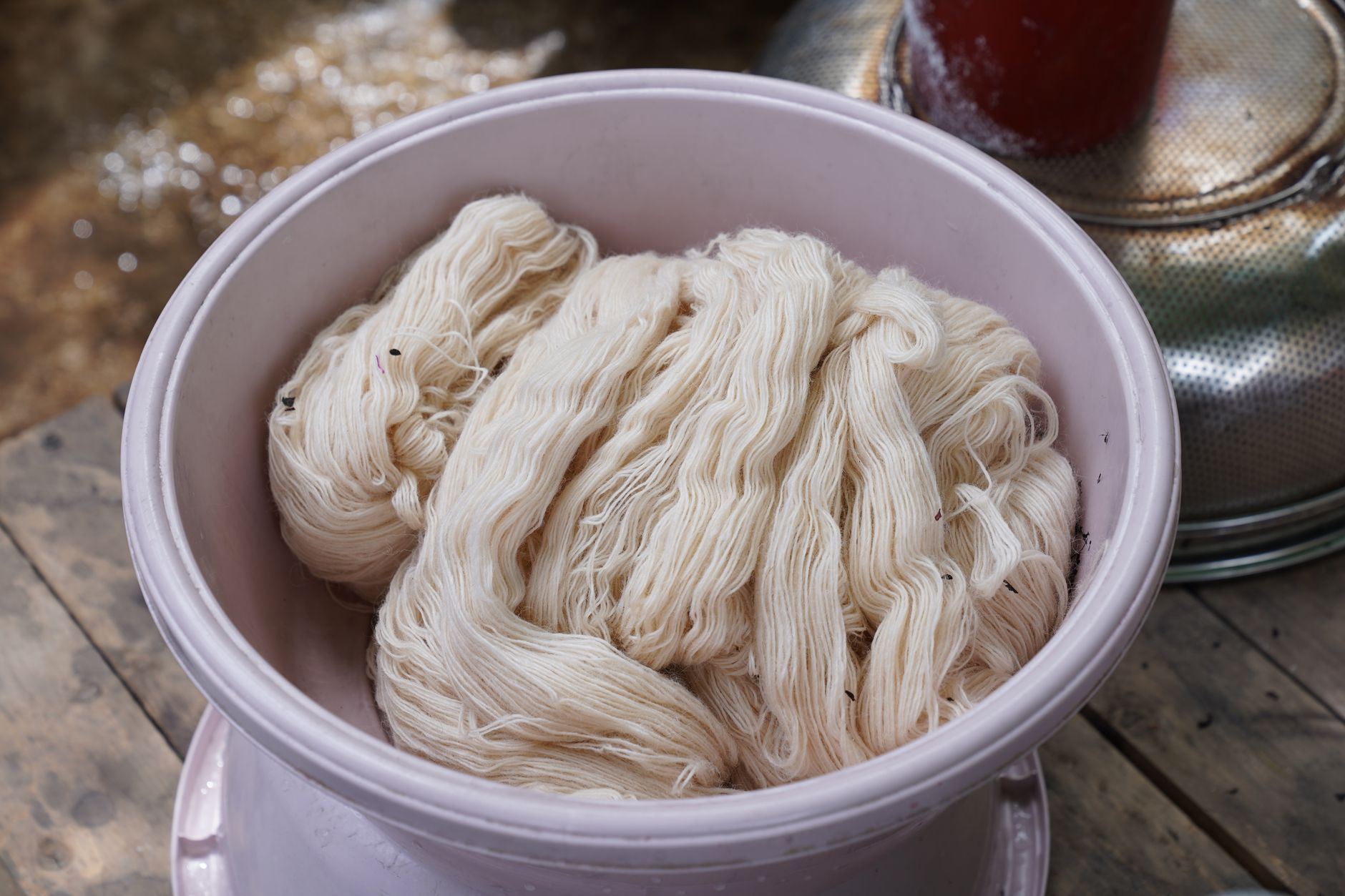
The hard part of yarn dyeing isn't color theory. It's measuring dye by yarn weight and keeping your dye pots out of the food rotation.
Yarn dyeing means coloring plain, undyed yarn yourself with acid dyes or food-safe dyes like unsweetened drink mix. Dye bonds to wool, silk, and nylon when heat and acid are in the pot. That's the whole chemistry, and it's why you can make a skein no shop sells.
A session goes like this. You soak a skein in warm water, mix dye powder into jars, and apply color by pouring, painting, or dunking. Then you heat it gently for 20 to 30 minutes until the water runs clear, let it cool, rinse, and hang it to dry.
Most of the clock time is waiting. Your hands are busy for maybe 30 minutes, which makes it a clean Saturday project that ends with something you can knit, crochet, or weave. It's also a rare craft where a mistake can still come out beautiful, because yarn forgives a lot of color accidents.
Yarn dyeing is coloring undyed wool, silk, or nylon yarn at home. You mix acid dye or unsweetened drink mix with water and acid, apply it to soaked yarn, and heat gently until the water clears. The result is a skein in exactly the color you chose, ready for knitting.
Dyeing swaps screen time for a sensory, hands-on process with a real payoff. Every batch is a small experiment, so there's always a next color to try. The waiting stretches are short and the reveal is visual, so it suits restless or numb moods well, and the finished skein is something you can use.
People file yarn dyeing next to tie-dye and call it a kids' craft. It's closer to running a small chemistry lab on your stove.
Acid dyes carry a negative charge. Wool and silk fibers pick up a positive charge when the bath is acidic and warm. That's the bond, and it's why hand-dyed wool survives years of washing without bleeding color all over your other knits.
Serious dyers weigh their dry yarn and measure dye as a percentage of that weight. They log the dye, the acid, the temperature, and the time. A color you love is worthless if you can't make it again.
That's also how indie dyers build real businesses. They sell at fiber festivals and online shops, and a loyal following will buy a colorway the same week it drops. The craft rewards people who treat it like a process.
Dye powder is a fine dust you shouldn't breathe. Dye cookware is dye cookware forever, and it never goes back to making dinner. Respect that and the hobby is safe, cheap, and very hard to get bored of.
Session one is mostly nerves and spills. You'll hover over the pot, poke the yarn too much, and wonder whether the water will ever clear. It usually takes about 20 to 30 minutes of gentle heat, and the moment it does feels like a magic trick.
Wet yarn looks much darker than dry yarn, so your deep teal may dry to a soft seafoam. A single dye can also split into its component colors, so your purple throws off blue and pink. Some of that is a surprise you'll love, and some of it is mud.
By the second batch, you stop fussing and start noticing things. You see white spots where dye didn't reach and pooling where you poured too much. You also see how different the same dye looks on merino versus a nylon blend.
That's when you pick up a notebook. The hobby starts the minute you write down what you did.
The water is hot and the steam can scald. Dye stains counters, grout, and plastic, so cover your workspace and wear clothes you don't love. Crack a window, wear a dust mask while you mix powder, and keep this pot out of the cooking rotation from day one.
When to start: Weekend morning, with a window open and the kitchen to yourself
Duration: 2 to 3 hours, with about 30 minutes of hands-on work
Cost to try: One undyed skein, drink mix or a small dye jar, and a thrifted pot
Success criteria: If you got a skein with even-ish color and no felting, do session 2.
It's tempting to grab whatever's in the cabinet. Dye cookware should never go back to food, not even after a good scrub.
Buy a stainless steel or enamel pot at a thrift store and mark it with permanent marker or tape. Give it its own spoon, jars, and measuring cups, and store them away from food.
Dry dye floats. Breathing it in is a real health risk, and a speck on the counter leaves a stain that survives bleach.
Mix powder in a ventilated spot, wear a dust mask, and wet the powder down with a splash of hot water before you stir. Wipe up with a damp paper towel, never a dry cloth.
Acid dyes grab protein fibers, which means wool, silk, alpaca, and nylon. They barely touch cotton, linen, or acrylic. Check the label before you buy.
Superwash merino takes dye beautifully and is a smart first yarn. Cotton needs a different dye family, so save it for a later project.
Hot water plus agitation turns wool into a solid mat. The usual culprit is a sudden temperature change, like dropping cold yarn into a boiling pot or rinsing hot yarn under a cold tap.
Keep the bath just below a simmer. Stir little or not at all, let the yarn cool in the pot, and rinse with lukewarm water.
Six dyes on one skein sounds fun. It usually gives you a muddy brown, since every color dyes on top of another one.
Start with two or three dyes. Leave some white gaps and let the colors meet at the edges, because a restrained skein almost always looks better than a crowded one.
Start online, since dyers are generous and loud about their notes. Ravelry is the biggest hub, with free groups for dyers of every level. On Reddit, r/yarndyeing is small but useful, and r/knitting and r/crochet are full of people who'll tell you what a skein actually looks like when worked up.
Local yarn shops often run dye workshops or know who does. Ask the staff, since the bulletin board by the register is still the best event listing in fiber. Community colleges, art centers, and makerspaces list dye classes too.
Guilds are the hidden gem. Look for a local weavers, spinners, or knitting guild; the Handweavers Guild of America and The Knitting Guild Association both list chapters and members. Guild members usually own a swift, a ball winder, and strong opinions about acid.
Festivals like the New York State Sheep & Wool Festival in Rhinebeck and the Maryland Sheep & Wool Festival put dozens of indie dyers in one place. Walk the booths and ask who dyes by hand. Most dyers will happily explain their process if you buy a skein.
Meetup also lists fiber arts and knitting groups in most mid-size cities. Show up with your latest skein; you'll find your people fast.
Unsweetened drink mix dyes wool using the citric acid already in the packet. The colors are more muted and fade faster than commercial dyes, but the cost is a few dollars. It's a good way to learn the heat-and-patience rhythm before buying acid dyes.
Everything goes in one pot of dyebath with the yarn fully submerged. You get tonal or solid skeins that are great for sweaters, and it's the most forgiving place to learn depth of shade.
You lay out the yarn and apply different dye colors with squeeze bottles or brushes, then steam or heat to set it. Bright, wild skeins come from this one, and so does most of the mud.
You sprinkle or spatter dry or lightly wetted dye powder onto damp yarn. It's currently one of the most popular indie looks, and it's a good reason to be strict about your dust mask.
Onion skins, avocado pits, and marigolds make real color on wool, usually with a mordant like alum so the dye sticks. Colors skew earthy and soft, and the results vary every batch, which is the point.
The one skill that separates mud from glowing color is controlling how much dye your yarn takes up. That means working with dye measured as a percentage of dry yarn weight, not by eyeball.
Weigh your yarn dry. Mix a stock solution of 1 gram of dye powder in 100 milliliters of hot water. A 100-gram skein at 1% depth takes 100 milliliters of that stock, and a 0.5% skein takes 50.
Dye three identical skeins from one dye at about 0.5%, 1%, and 2% of their dry weight. Same pot, same acid, same time. Label each with a tag in the pot.
Compare them dry, since wet yarn misleads you. You've just built a personal shade card for that dye, and it will teach you more than any chart.
Dye strength varies by color, so your notes beat any rule of thumb. Reds are famously heavy; yellows are not. Write down what you got and you'll never guess again.
Once you trust depth of shade, everything else gets easier. Mixing two dyes, planning a gradient, and fixing a skein that came out too pale all start from this one habit.
Here's the 30-day test. Dye one skein a week for four weeks, and write down every step. That's about four sessions, and very little money if you start with a thrifted pot and a small dye set.
One: you dislike the wait, the cleanup, or the stained counters. You'll know by week two, and you've spent very little.
Two: you like the colors but you don't want to knit them. That's fine, since a lot of dyers sell skeins or trade them with friends.
Three: you start planning color on the bus. That's the one to keep going with.
If you catch yourself imagining the next colorway while the first skein is still drying, you're hooked. Buy more undyed yarn.
The other sign matters too. If you can't ventilate your space or the powder gives you headaches or coughing, stop and try the Kool-Aid method only.
Yes, with rules. Use a pot, spoon, and jars that are dye-only and never go back to food. Wear gloves, open a window, and wear a dust mask while mixing powder. Keep dye gear away from kids and pets, and wipe surfaces with a damp towel.
You shouldn't. Even a dye-safe pot can retain residue, and acid dyes aren't made for food. Buy a cheap stainless steel or enamel pot at a thrift store, label it, and keep it with your dye gear. Once a pot has been used for dye, it stays a dye pot.
Protein fibers like wool, silk, alpaca, and mohair take acid dye and drink mix well, and so does nylon. Superwash merino is a good beginner choice. Cotton, linen, and acrylic won't take these dyes, so check the fiber content before you buy.
Avoid agitation and sudden temperature changes. Soak the yarn in warm water first, keep the dye bath just below a simmer, and stir very little. Let it cool in the pot, then rinse in lukewarm water. Superwash wool resists felting even better.
Very little to try: one undyed skein, a few packets of unsweetened drink mix or a small jar of acid dye, and a thrifted pot you keep for dyeing only. A scale, a thermometer, a proper dye set and a dust mask come next, and last many batches.
Kool-Aid dye is a food-safe dye that bonds to wool when heated, and it usually survives gentle hand-washing. The colors tend to be more muted and fade faster than acid dyes, especially with sunlight. Wash in cool water with a mild soap and dry out of direct sun.