BoredomBusted — Find Your Next Favorite Thing To Do
Discover hobbies, activities, places, and ideas that spark joy. Whether you're looking for something creative, active, social, or relaxing, BoredomBusted helps you find your next favorite thing to do.
Browse our hobby guides, things-to-do collections, and place ideas to never be bored again.
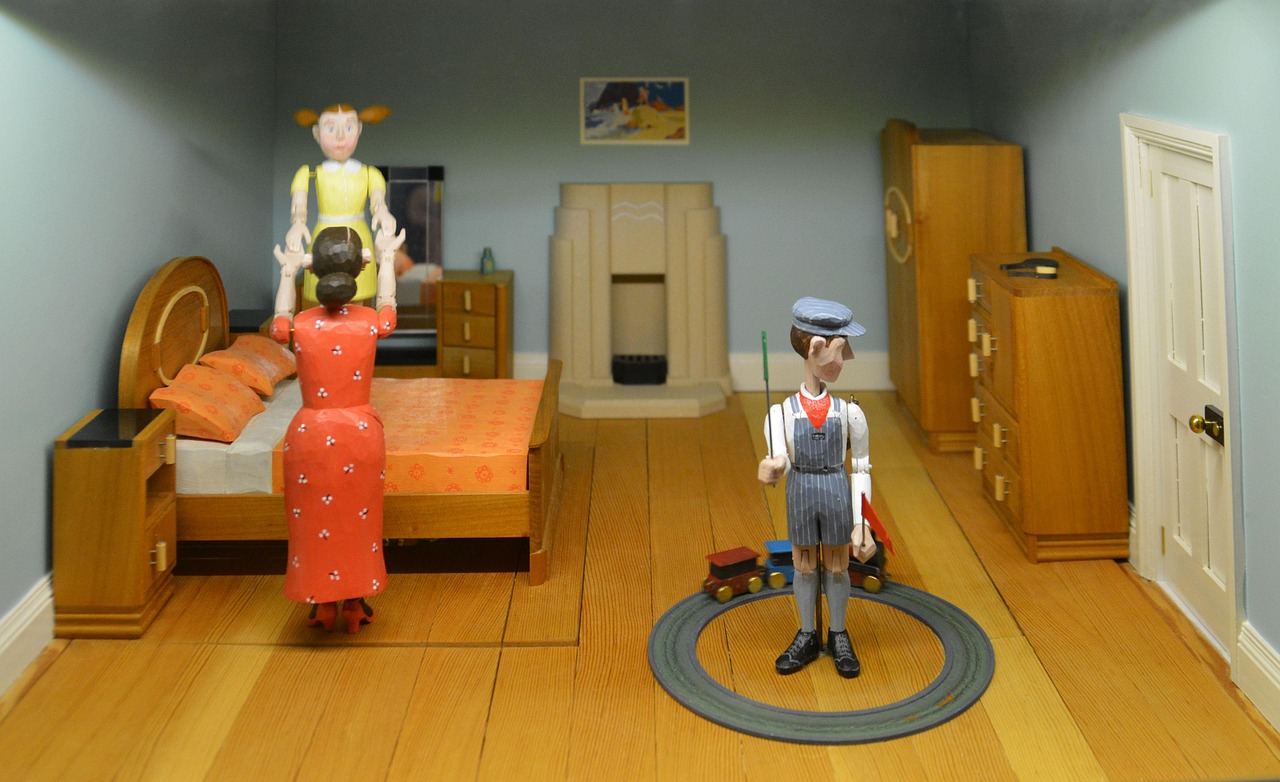
Dollhouse miniatures aren't just cute trinkets — they're intricate feats of architecture and engineering requiring serious expertise and detail.
Learning dollhouse miniatures as a beginner involves discovering the intricacies of building, collecting, and decorating scale-model rooms and houses, typically at a 1:12 scale where one inch equals one foot.
You're sourcing or handmaking furniture, fixtures, and décor down to the smallest detail.
Unlike model kits or dioramas, the focus is interior design and domesticity – it rewards decorators as much as builders.
In dollhouse miniatures, enthusiasts collect artisan miniatures and create detailed scenes by cutting, assembling, and painting small-scale components, often working in 1:12 scale. This involves crafting items from scratch, organizing displays, and ensuring realistic proportions across various elements, allowing for both technical execution and artistic decision-making.
This hobby fosters an immersive focus that promotes mindfulness, allowing practitioners to enter a flow state where external stressors fade, while also providing tangible skill feedback through the appreciation of craftsmanship and a sense of accomplishment from completing intricate scenes or collections.
You think this is a grandmother hobby. Tiny furniture and lace curtains. Cute but not your thing. That assumption does a lot of work, and it's wrong.
Dollhouse miniatures blend architecture, fine woodworking, and obsessive problem-solving. Scaled down, but definitely not dumbed down.
Every detail in the 1:12 scale must function visually at that ratio — it's an engineering challenge, not a craft shortcut.
Miniaturists often come from fields like model-making, prop design, and industrial design. The overlap isn't accidental.
Picture this: Building a 1:12 Tudor kitchen involves researching period-accurate hearth construction. Finding hand-forged brass hinges from specialist suppliers. Spending six hours weathering a clay pot to look centuries-old from three feet away.
This isn't a rainy afternoon project. This is a discipline.
Tiny assumptions create a huge gap. Question is, how does one turn a toy-like model into a world you can step into? The next section reveals that shift.
The allure is undeniable. Watching someone build a miniature Victorian parlor seems peaceful — gentle hands, dainty furniture, soothing music.
Your first attempt feels nothing like that. Tweezers slip, glue covers your fingers, and a door frame refuses to fit.
Envisioning a smooth start? Think again. That one-inch chair becomes a humbling lesson — rewatching tutorials, upgrading tools, and already dreaming up the next project.
That chair seems off. The window frame leans. And the same wall panel? Reglued three times. This frustration often drives people away. But those who push through see it as skill building — not a sign to quit.
Beginners often choose the common 1:12 scale — it's tricky. More experienced builders often suggest starting with 1:6 scale. Larger pieces help develop your technique before you have to focus intensely on perfecting details.
When to start: Morning
Duration: 1 hour
Cost to try: $15
Success criteria: If you glue together one miniature furniture piece with straight edges and let it dry flat without collapsing, do session 2.
Many beginners grab a stunning dollhouse kit without realizing the difference between scales. 1:12 and 1:24 furniture aren't interchangeable, which can lead to some mismatched pieces down the line.
Start by selecting your scale: 1:12 offers more supplies, while 1:24 saves space. Choose wisely, and let every future purchase align with that scale choice.
Building first seems logical, but then your brush can't reach those tight corners, and every seam shows the errors. Paint, wallpaper, and finish each wall panel as a flat canvas while you have full access. Embrace this as your artistic stage before assembly starts.
Found objects like buttons or bottle caps feel right until placed next to a dollhouse sofa, where they look massive. Print a free 1:12 scale ruler and keep it handy. Measure every found object against it before including it in your build.
Lighting kits seem straightforward until you realize out-of-sight copper tape wiring needs to run under floors. If your floor's glued down early, you'll struggle. If lighting might come later, lay copper tape channels first. Treat floors as the step you savor last.
Full-scale craft paint straight from the bottle creates flat, toy-like appearances. Realistic minis need color variation. Instead, thin your paint to a near-wash and layer it 3–4 times. This replicates how light behaves and brings your miniatures to life.
Most dollhouse miniature enthusiasts craft at home. The activity usually takes place at your desk or kitchen table.
Guild meetings, shows, and workshops are where the
real skill-sharing happens.
When you attend, introduce yourself as new to the craft. Saying "I'm brand new and still figuring out my scale" opens doors to orientation, beginner-friendly kits, and guidance before those first permanent glues.
This standard 1:12 scale dollhouse
represents one inch for each foot, making it the most common choice. The vast array of accessories ensures you're never short on options. Starter kits cost $50–$150, while elaborate builds can soar into thousands.
Half the size of 1:12, the 1:24 scale
is perfect for those with limited display space but still want a detailed scene. It demands more dexterity, though. Finer pieces require steady hands and good lighting.
Room boxes offer a compact project
with just one room in a shadow box. Embrace lower costs, faster finishes, and focused creativity without committing to an entire house.
Modern and miniature art installations
abandon traditional realism for gallery-style displays. This is ideal for those with a fine art or interior design background who find typical dollhouse aesthetics limiting.
Micro scale 1:144
is a dollhouse inside a dollhouse. It requires handmade or 3D-printed pieces and is best for seasoned miniaturists. Beginners should steer clear.
Textile Crafts is a sibling pursuit and often surfaces the same kind of curiosity.
If you want a related angle, Crochet is the natural next stop.
If this resonates, Mandala Coloring explores a similar direction.
Most beginners fixate on finding the right tools. But the real plateau comes from ignoring scale consistency in a single scene. You could have beautiful pieces, yet your room might still look chaotic.
Visual scale calibration is the skill you need. Train your eye to judge how objects relate to each other, beyond their printed scale. A chair might measure correctly but seem off next to a table if the visual weight is wrong. This dissonance needs your eye before it finds a solution.
Learn to spot relational scale errors, and your rooms transform. They'll stop resembling mere collections of miniatures and start feeling like true living spaces. Without this skill, you'll keep seeking new pieces, questioning why the space feels off. The issue isn't the pieces.
Photograph your scene in black and white to better read mass and proportion. It's here that scale errors hide.
Replace one object with something 10% larger from your finished scene. Feel the room 'break'. That discomfort signals your skill is developing.
Study a real room photo a week, listing objects by relative size – largest, medium, smallest – to see how they sit together. Developing this eye paves the way for mastery in the following sections.
Six sessions over 30 days — that's one session about every five days.
Breaks matter. Miniature work needs time for glue and paint to settle, and decisions often look different with distance. Space the sessions to see if you're drawn back naturally or just completing tasks.
When you make excuses to sit back down, it's more than enthusiasm. The hobby fits your brain. You likely enjoy detail-oriented tasks and seeing small projects through. It's time to plan a first room box and consider a budget for some quality tools.
If you finished but felt indifferent, the making process might be fine, but something is missing. Try a different scale or theme before moving on entirely. Maybe a 1:12 modern scene suits you more than a Victorian setting.
If you dreaded each session and felt relief when it ended, that's a clear sign. Stillness might not be your thing. This hobby demands quiet focus on tiny tasks, and no tip changes a fundamental mismatch.
You're shrinking real rooms in your mind without trying. That's the signal. It means miniature projects are running as background processes in your brain.
Sometimes you just need something for the next ten minutes — that's what things to do when bored is for.
Starting costs range from $50–$200 for basic tools, glue, paint, and a few beginner pieces. A simple unfinished dollhouse kit adds another $30–$100, though you can repurpose or build your own structure. As you progress, you may invest more in specialty items, but many enthusiasts enjoy years of creativity at modest expense.
You don't need prior crafting experience—patience and attention to detail matter most. Basic skills like cutting, gluing, painting, and simple hand-sewing are all learnable through tutorials and practice. Most hobbyists develop advanced techniques naturally as they work on projects over time.
A small room scene takes 5–20 hours depending on complexity, while fully furnishing an entire house typically takes weeks or months of casual work. The timeline depends on how detailed you want each piece and whether you're building items from scratch or using pre-made miniatures. Many people enjoy spreading projects across several months or even years.
Not at all—it's very beginner-friendly since you can start simple and gradually tackle more complex projects. Ready-made miniatures, beginner kits, and countless online tutorials make it accessible to anyone with basic crafting supplies. The low barrier to entry and forgiving nature of the hobby means mistakes are part of the learning process.
You craft tiny furnishings, decor, and complete room scenes at 1:12 scale (or other ratios), including beds, tables, dishes, wallpaper, lighting, and landscaping. Many hobbyists build these pieces from scratch using clay, wood, fabric, and paint, while others assemble and customize pre-made items. The end result is a fully realized miniature world inside a dollhouse structure.
Yes—many enthusiasts sell handcrafted pieces, custom room sets, or completed dollhouses on Etsy, at craft fairs, and through miniature clubs. While it's rarely a full-time income, selling your work helps offset hobby costs and attracts buyers who appreciate the artistry. Most people pursue it first as a creative outlet rather than a primary income source.