BoredomBusted — Find Your Next Favorite Thing To Do
Discover hobbies, activities, places, and ideas that spark joy. Whether you're looking for something creative, active, social, or relaxing, BoredomBusted helps you find your next favorite thing to do.
Browse our hobby guides, things-to-do collections, and place ideas to never be bored again.
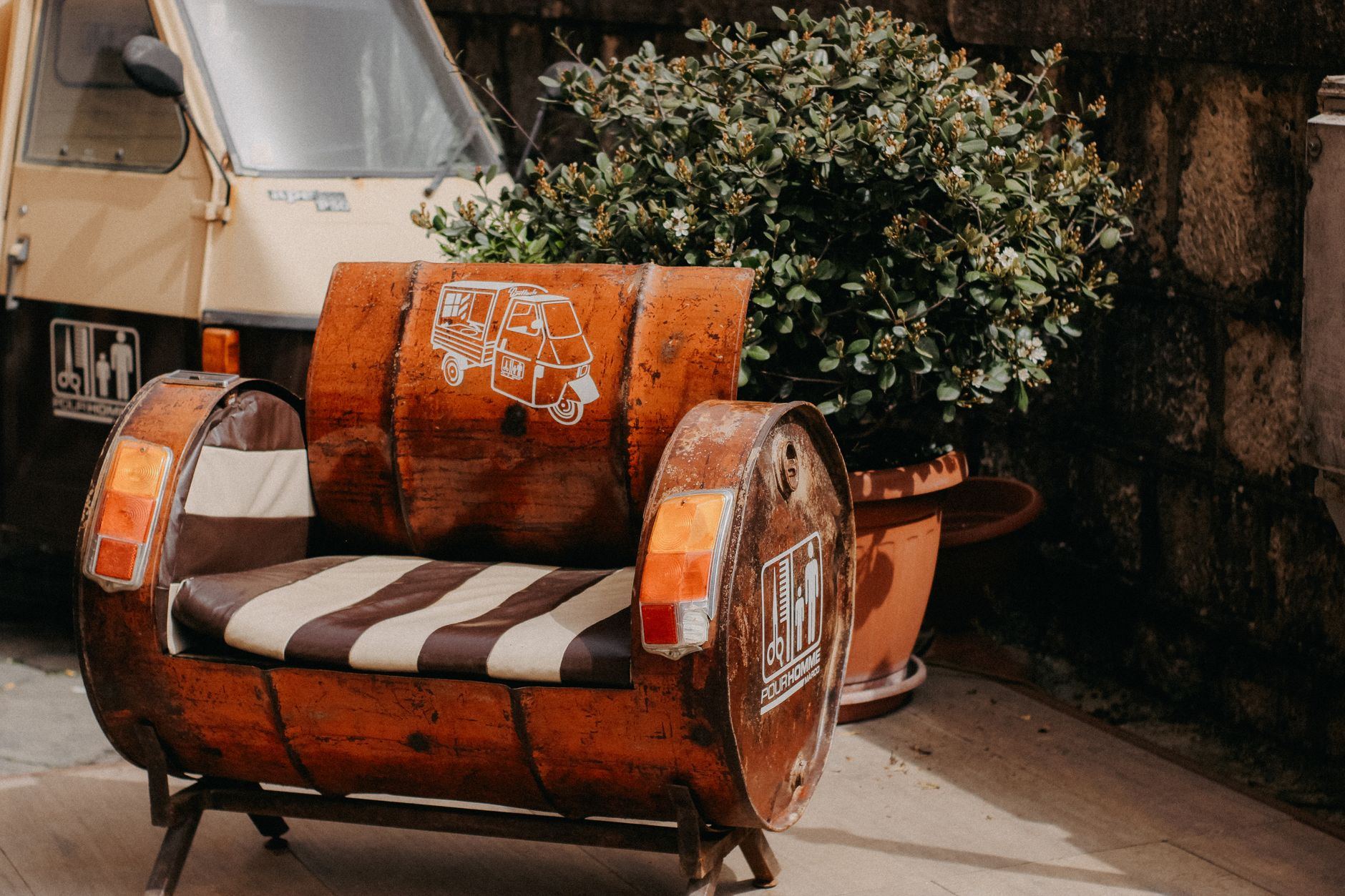
Upcycling isn't recycling, and it isn't about painting well. The skill that matters is spotting a piece with good bones before you ever pick up a brush.
Upcycling is turning something headed for the dumpster into something worth more than it was new. The orange-stained dresser from a church rummage sale becomes the matte navy one in your hallway. A pile of worn-out jeans becomes a tote bag, a patchwork cushion cover and a set of pot holders.
A session is small and specific: you pick one object, clean it, fix what is broken, then change how it looks or what it does. Sanding, priming, painting and sealing are the four moves behind most furniture flips, and drying time does half the waiting for you. Clothes, jars and tins follow the same pattern with different tools.
Recycling destroys an object to reclaim the material. Upcycling keeps the object and changes its job. That is why it feels like making rather than chores: every cracked jar, tin and dated chair asks what it could become, and you get to decide the answer.
Upcycling takes items that would be thrown away, such as old furniture, clothes, jars and tins, and repairs or reworks them into something more useful or better looking. Unlike recycling, the object stays intact. You change what it does or how it looks.
Each project has a clear start, a hands-on middle and a finished object you can use. The thrift-store hunt adds novelty, and the physical work gives restless energy somewhere to go. Cheap materials keep the stakes low, so trying and failing costs little.
Upcycling gets filed next to glue-gun crafts and Pinterest boards. That reputation comes from the failures: gold spray paint over a wobbly chair, glitter over a stained lampshade. A wobbly chair painted gold is still a wobbly chair.
Done well, it is a small design discipline. You judge construction quality in seconds, repair structure, match finishes to how an object will be used, and pick colors that survive a living room. People who get good at it resell flipped furniture for real money, and nobody does that on luck.
There is a chemistry side too. Oil-based and water-based finishes behave differently, primers bond to some surfaces and slide off others, and old paint can be hazardous.
The sustainability angle is real. It just is not the reason you keep doing it.
Same dresser.
Same price.
The difference is whether you treated it as decoration, or as a repair job with a paint finish at the end.
The first session is mostly cleaning and sanding, not transformation. Thrift-store furniture arrives sticky, dusty and sometimes smelling of someone else's kitchen. Expect an hour of scrubbing with degreaser before you touch a brush.
Then the piece starts telling you the truth. A drawer rail is cracked, a veneer corner lifts, and a joint that looked solid wobbles once you push on it.
After the first coat of paint, most pieces look streaky and amateur. That is normal. Thin coats and patience fix almost every first-timer's finish, and nobody sees the ugly middle but you.
By the second or third coat, the color evens out. You attach the new hardware and step back. It looks like something you would pay for.
One real safety note before you sand anything old: paint on US furniture and homes made before 1978 may contain lead. Test it with a lead check swab first, and wear a respirator with windows open. Never dry-sand a painted piece you have not tested.
When to start: Saturday morning, with daylight and a table to work on
Duration: 45–60 min
Cost to try: Free: rework something you were about to throw out
Success criteria: If you finish the tote and your first thought is what else in the closet could become something, do session 2.
Plastic-coated particleboard is everywhere, and it is slick. Regular paint peels off it in sheets.
If you still want it, scuff sand and use a bonding primer made for slick surfaces. Better: leave it on the shelf for your first project and pick real wood instead.
Skipping the degreaser and the scuff sand is why paint chips off a drawer front six weeks later. Furniture polish and kitchen grease are invisible, and paint will not stick to either.
Clean, lightly sand, wipe, then prime. That is half the project and none of the fun.
Wobbly legs, loose joints, a cracked rail: fix these first with wood glue and clamps. Paint hides nothing structural and only draws attention to it later.
Give glue 24 hours to cure before you load weight on anything.
Test pre-1978 paint for lead. Wear a respirator rated for dust or vapors, and ventilate every time you use chemical stripper or an oil-based product.
Rags soaked in oil-based stain or finish can heat up and ignite as they dry. Lay them flat outdoors to dry, or soak them in water in a sealed metal can before you throw them out.
A six-drawer dresser or a full dining set is a bad first project. You will lose a month of weekends and your motivation with them.
Start with a side table, a stool, a lamp base or a jar. A finished small project beats an abandoned big one every time.
Upcycling is a quiet solo hobby that is surprisingly easy to share. The community lives in thrift stores, free groups and repair events more than in clubs.
Habitat for Humanity ReStores sell donated furniture and building materials cheaply, and staff will often tell you what just came in. Goodwill, the Salvation Army and local church rummage sales are the default hunting grounds, and estate sales can be good in the last hour of the last day.
The Buy Nothing Project runs hyperlocal gift groups on Facebook and its own app. People give away perfectly workable furniture just to avoid hauling it. Craigslist's free section and Facebook Marketplace work the same way.
Repair Cafe events (repaircafe.org) are volunteer-run fix-it meetups. They teach you to diagnose why something is broken, which is half the skill. Many cities have tool libraries and makerspaces where you can borrow a sander for free or a small fee.
Community college continuing-ed programs and local hardware stores sometimes run furniture refinishing and sewing workshops.
r/upcycling is friendly and image-heavy. r/Flipping is for people turning finds into resale money, and r/DIY covers general repair and finishing questions. Search Meetup for clothing swaps and craft nights.
Upcycling is a family of habits that share a mindset. Pick the branch that matches what you like to do.
A dresser, side table or chair gets cleaned, repaired, primed, painted and given new hardware. It is the most popular branch and the most resellable. Expect the full range of prep skills.
Turn jeans into bags, old shirts into quilts, wool sweaters into mittens. Visible mending and sashiko-style stitching also live here. Costs are close to zero.
Jars become planters, storage and candle holders. Cans become pencil cups and herb pots, so file or fold down any sharp rim and wear gloves, and never try to cut glass without proper tools and eye protection.
Pallets become shelves, planters and benches. Look for a stamp marked HT, meaning heat treated, and avoid MB, which means methyl bromide. Skip any pallet that is stained, oily or leaked on.
If you enjoy building as much as refinishing, woodworking is the natural next step.
The same skills, plus pricing, photography and patience. Look up what finished pieces sell for locally before you buy anything.
Beginners think the skill is painting. It is not. The skill that decides everything is reading a piece for good bones before you buy it.
A solid piece with tired paint turns into something great in a weekend. A hollow, wobbly, laminate-covered piece turns into a frustrating month. Both look equally promising under thrift-store lighting.
Lift one corner. Solid wood and real joinery feel heavy. Particleboard feels light and the corners look crumbly.
Push the top side to side to check for wobble. Pull a drawer all the way out and look at how the corners are joined: interlocking dovetails are a good sign, staples and thin glue lines are not.
Flip it, smell it and look for water stains. Mildew, cigarette smoke and active pests are walk-away problems, because no paint covers them.
Spend one lunch break in a thrift store and test ten pieces without buying any. Rank them by good bones, then check the price. Within two visits you will spot the hidden gem in seconds, and that eye is the real asset you are building.
Commit to eight sessions in 30 days. That is roughly two a week and enough for one small furniture piece or three or four textile and jar projects. Eight sessions covers the awkward stages, including the ugly-middle second session.
Keep a short note after each one: what did I enjoy, and what did I put off?
You loved the hunt more than the making. You are a thrifter at heart. Keep the finds and finish only what excites you.
You loved the transformation but hated the prep. Try textiles and small projects with less sanding. Or accept sanding as the price of the reveal.
You finished and immediately started scanning for the next piece. That is the real hobby. Buy a second project only after you finish the first.
If you walk through a thrift store and keep noticing what things could become, that is no longer a project. It is how you see things now.
If you have three unfinished pieces in the garage and bought a fourth, stop. Finish one first.
Recycling breaks an item down into raw material, such as melting glass or pulping paper, to make something new. Upcycling keeps the item mostly intact and changes its look or purpose. A dresser repainted with new knobs is upcycled. A glass bottle melted into a new bottle is recycled.
Usually, yes. A secondhand solid wood piece plus primer, paint and new hardware usually costs well under a comparable new solid wood piece. Cheap particleboard furniture rarely repays the effort, so check construction before you buy.
Start with small wooden pieces: a stool, side table, picture frame or plain box. Glass jars and old T-shirts are even easier and cost nothing. Avoid upholstered chairs, big dressers and anything laminate until you have finished two or three simple projects.
Pick a bonding primer, then either chalk-style paint, which needs less prep, or a durable water-based furniture paint. Finish with a water-based polyurethane or wax on surfaces that get wear. Always scuff sand and clean first, since paint sticks to clean, slightly roughened surfaces.
Not always. Paint made before 1978 in the US can contain lead, and the dust is harmful. Test with a lead check swab first, wear a respirator, work outdoors or with windows open, and wet-sand or use chemical-free methods when the test is positive. Keep kids and pets away.
Some people do, mainly by flipping furniture on Facebook Marketplace or Etsy. Profit depends on buying well, finishing cleanly and valuing your time. Many beginners earn little at first, so treat early projects as practice and check what similar pieces actually sell for locally.